RAD-140: The Highest Anabolic Potency Ratio in the SARM Class
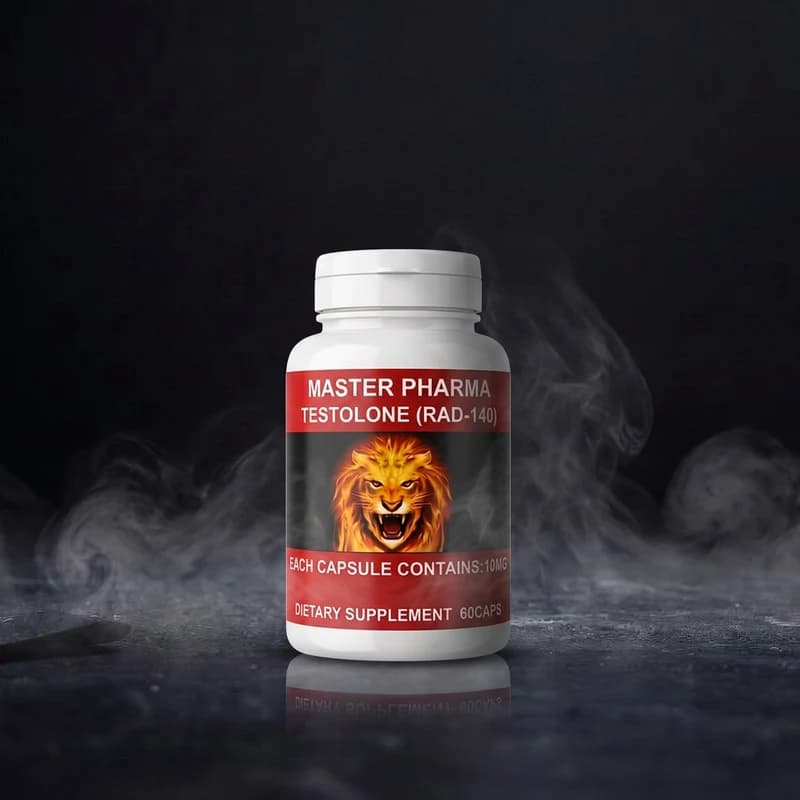
Testolone (RAD-140) is defined in pharmacological literature as a full agonist at the androgen receptor in muscle tissue, with an anabolic-to-androgenic ratio measured in preclinical models at approximately 90:1 — the highest published ratio among all characterised SARMs. That figure, documented in research by Radius Health (the original RAD-140 developer), explains why RAD-140 produces measurable lean mass gains at doses where other SARMs remain largely preparatory. Compared to Ostarine (MK-2866), which operates at a ratio closer to 3:1, RAD-140 delivers substantially greater anabolic stimulus per milligram — a meaningful distinction when selecting a compound for a structured mass phase.
RAD-140 activates androgen receptors selectively in skeletal muscle and bone, triggering nitrogen retention, protein synthesis upregulation, and IGF-1 pathway stimulation without the concurrent androgenic signalling that causes scalp, skin, and prostate effects associated with testosterone. The compound also demonstrates neuroprotective properties in preclinical models (published in Endocrinology, 2010), though these remain outside the primary scope of bodybuilding use.
Potency Management: Why 10mg Matters as a Starting Point
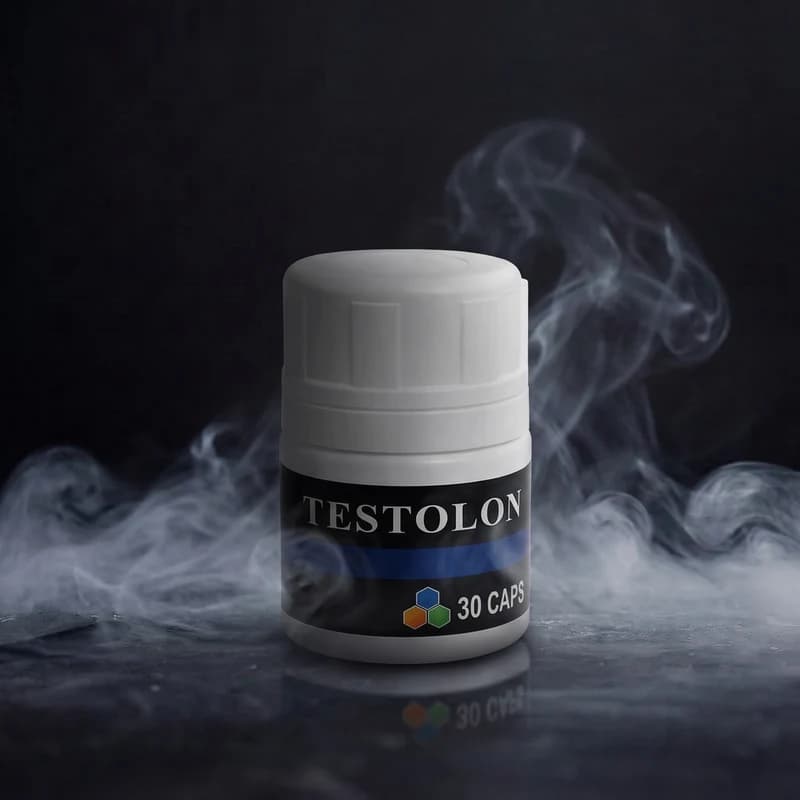
The 10mg per tablet format from Elbrus Pharmaceuticals is not simply a packaging choice — it is the clinically relevant entry dose that corresponds to meaningful anabolic activity while allowing users to assess individual response before escalating. Most documented RAD-140 protocols in the bodybuilding community begin at 10mg per day for the first two weeks, with some intermediate users progressing to 15–20mg based on tolerance. The 10mg tablet format enables precise, incremental titration without the need to split tablets or estimate liquid measurements.
Elbrus Pharmaceuticals subjects each RAD-140 batch to HPLC (high-performance liquid chromatography) analysis, confirming that every tablet contains the declared 10mg of active RAD-140 within specification tolerances. LAL (Limulus Amebocyte Lysate) endotoxin testing is applied independently to confirm microbiological safety. Both results are batch-documented and traceable.
Cycle Structure and PCT Obligations
RAD-140 suppresses endogenous testosterone production in a dose- and duration-dependent manner — a biological consequence of its potent AR agonism in the hypothalamic-pituitary axis. Cycle lengths are typically capped at 8 weeks to limit suppression depth, and post-cycle therapy (PCT) using a SERM such as Nolvadex (tamoxifen) or Clomid (clomiphene) is recommended for most users running full mass-phase protocols at or above 15mg per day.

 HPLC Verified