RAD-140 and HPTA Suppression: What the Evidence Actually Shows
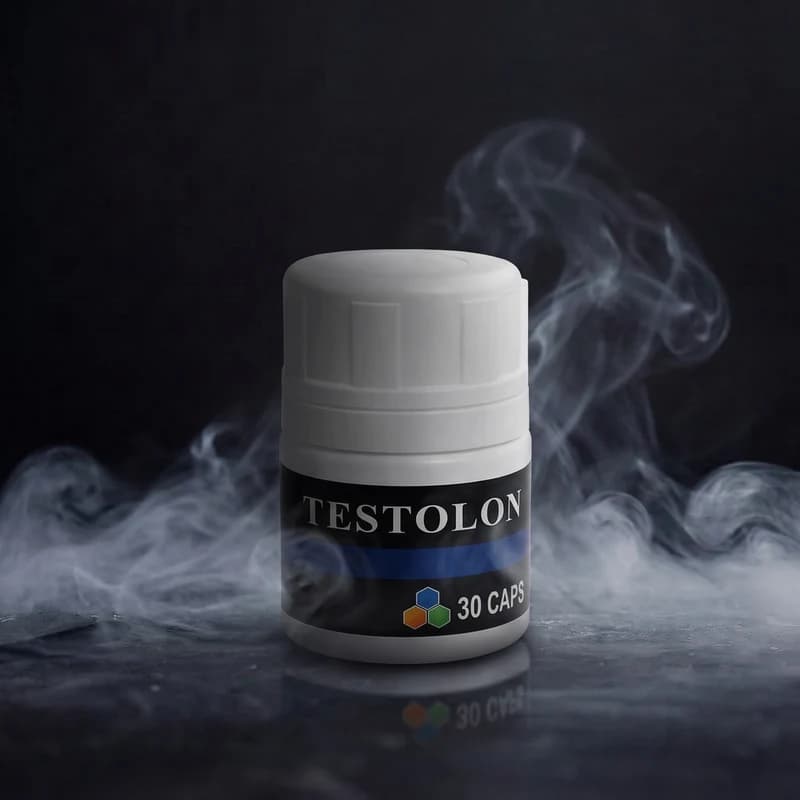
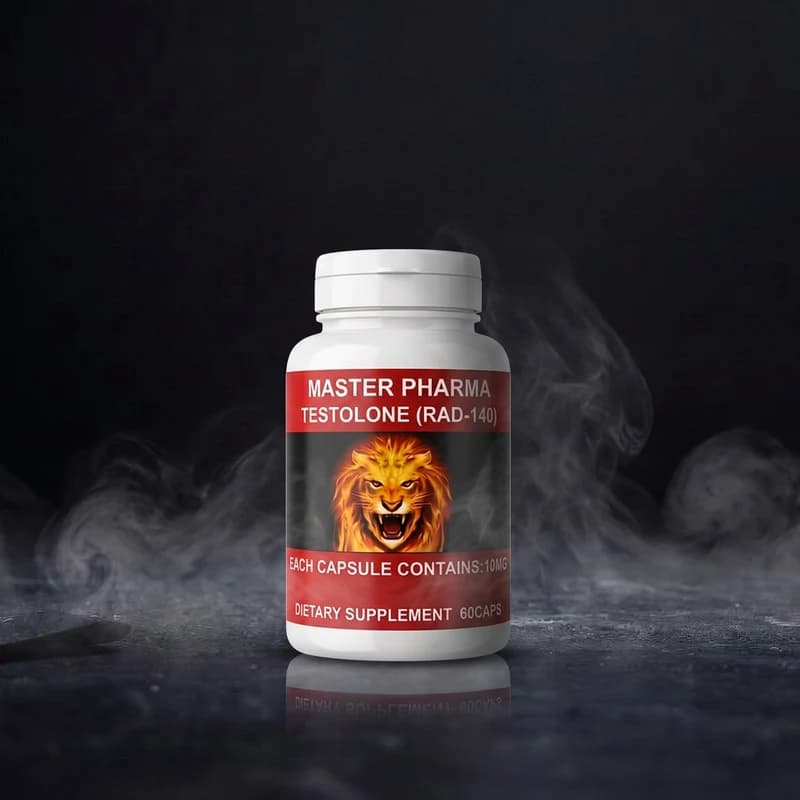
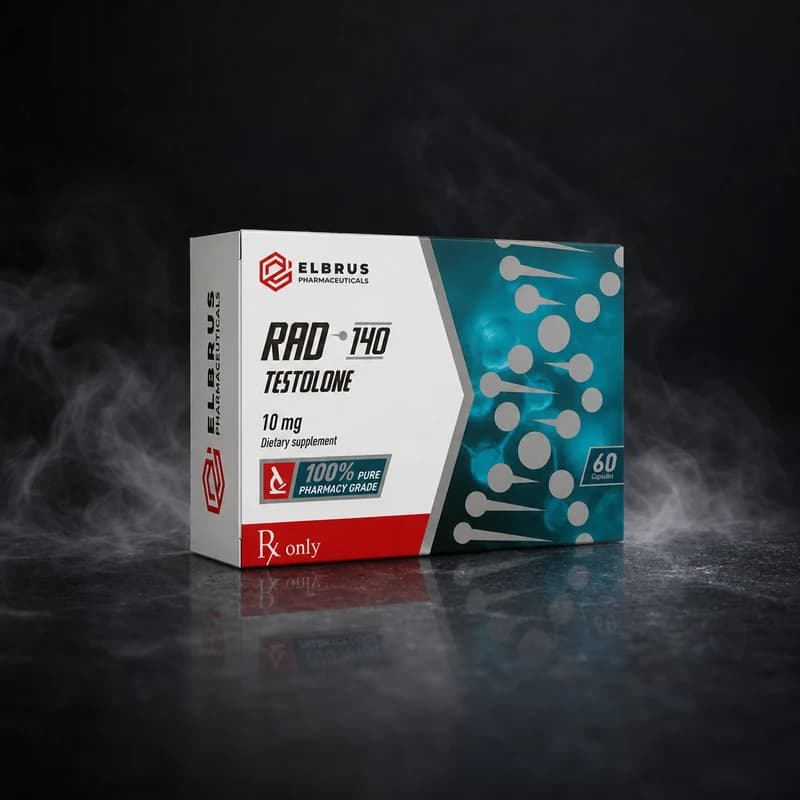
Rich Piana 5% Nutrition Testolone (RAD-140, 15 mg/tablet) is a non-steroidal selective androgen receptor modulator whose suppression of endogenous testosterone synthesis distinguishes it from non-suppressive compounds such as MK-677 and represents the primary recovery variable that cycle planners must account for. RAD-140 binds the androgen receptor with high selectivity in muscle and bone tissue, yet this AR engagement still signals the hypothalamic-pituitary axis to reduce LH and FSH output — a mechanism confirmed across multiple pharmacokinetic studies using serum LH assay as the primary endpoint. Suppression depth correlates with dose duration and cumulative exposure rather than a fixed threshold, which is why bloodwork timing matters.
Compared to steroidal androgens, RAD-140-induced suppression typically resolves faster post-cycle, yet it remains clinically meaningful: LH suppression of 50–70 % from baseline has been observed at research doses of 10–15 mg/day in short-duration studies, according to data reviewed in published phase-I trial reports. Testosterone suppression does not eliminate the need for a recovery window; it defines how aggressive that window must be.
When Is a Mini-PCT Sufficient — and When Is It Not?
A mini-PCT is appropriate when suppression is moderate, cycle length is eight weeks or fewer, and post-cycle bloodwork confirms LH/FSH values above the lower limit of normal. Three markers guide this decision: serum total testosterone, LH, and SHBG — measured no sooner than 72 hours after the final tablet. Enclomiphene citrate or tamoxifen citrate at conservative doses (12.5–20 mg/day for 4 weeks) serves as the standard mini-PCT framework for RAD-140 users in the research literature.
A full PCT with a SERM escalation protocol is warranted when post-cycle total testosterone falls below 300 ng/dL or when LH remains suppressed at the four-week mark. Rich Piana 5% Nutrition Testolone's 15 mg tablet format simplifies dose tracking across either recovery scenario, because each tablet represents one complete research unit — no splitting required for standard protocols.
Bloodwork Markers and Monitoring Framework
Effective SARM-cycle monitoring relies on three sequential bloodwork panels: baseline (pre-cycle), mid-cycle (week 4), and post-cycle (72 h after last dose). The mid-cycle panel reveals active suppression depth; the post-cycle panel determines PCT intensity. LH, FSH, total testosterone, free testosterone, SHBG, and a liver enzyme screen (ALT/AST) constitute the minimum evidence-based panel recommended in current harm-reduction literature. Users who skip baseline bloodwork cannot establish suppression depth and therefore cannot calibrate PCT — a clinical gap that renders any recovery plan speculative.

 Lab Tested