How Ibutamoren Works: Mechanism & Pharmacology
Ibutamoren is a potent, orally active, non-peptide growth hormone secretagogue that mimics the action of the endogenous hormone ghrelin to stimulate the sustained release of growth hormone (GH) and insulin-like growth factor 1 (IGF-1). Unlike peptide-based secretagogues that require subcutaneous injection and have short active windows, ibutamoren is administered orally and exerts its effects across a markedly extended duration — making it functionally distinct from compounds such as GHRP-6 or CJC-1295.
At the molecular level, ibutamoren binds the ghrelin receptor, formally designated the growth hormone secretagogue receptor type 1a (GHSR-1a), which is expressed in the hypothalamus and pituitary gland. This binding triggers a downstream signalling cascade involving phospholipase C activation and intracellular calcium mobilisation, culminating in the pulsatile release of GH from the anterior pituitary. Critically, ibutamoren does not suppress the hypothalamic–pituitary–gonadal (HPG) axis, meaning it does not reduce endogenous testosterone production or require post-cycle support in the conventional sense — a pharmacological characteristic that sets it apart from anabolic steroids and selective androgen receptor modulators.
Bioavailability studies in humans indicate oral bioavailability in the range of 60–70%, with peak plasma concentrations (Cmax) reached approximately 1–2 hours after ingestion. The compound's half-life is notably long, measured at approximately 4–6 hours in plasma, yet the elevation of GH pulse amplitude and IGF-1 levels persists for up to 24 hours following a single dose — allowing for once-daily dosing schedules. IGF-1 levels in clinical research have been shown to increase by 40–89% above baseline with prolonged use, depending on dose and individual response. Ibutamoren does not interfere with cortisol levels at standard doses, a property that preserves immune function and nitrogen retention simultaneously.
Application Context & User Groups
Given its unique mechanism, ibutamoren is employed across a range of training goals and user demographics, each exploiting a different facet of elevated GH and IGF-1 signalling.
For those pursuing lean mass accrual, ibutamoren facilitates a sustained anabolic environment by promoting protein synthesis and increasing muscle cell proliferation through IGF-1-mediated pathways. IGF-1 activates the PI3K/Akt/mTOR cascade, the same mechanistic route underpinning skeletal muscle hypertrophy. Users in dedicated bulking phases frequently combine ibutamoren with caloric surpluses to capitalise on the compound's ability to partition nutrients preferentially toward lean tissue, while the concurrent rise in GH promotes lipolysis to moderate fat accumulation.
In body recomposition and dieting contexts, ibutamoren's role is arguably even more pronounced. Elevated GH is profoundly anti-catabolic: growth hormone inhibits protein breakdown during caloric restriction and stimulates free fatty acid mobilisation, allowing the body to preferentially oxidise fat for fuel. Athletes in a cutting phase use ibutamoren to preserve hard-earned muscle tissue when caloric intake is reduced, a benefit that standard calorie-restricted protocols without hormonal support often cannot provide.
Recovery and sleep quality represent a third, often underappreciated application. GH secretion is naturally highest during slow-wave (deep) sleep, and ibutamoren amplifies this nocturnal pulse. Users consistently report improvements in sleep depth and duration, accelerated recovery from high-volume training, joint comfort, and reduced soreness. This makes it particularly relevant for masters athletes (broadly, those aged 35 and above), in whom natural GH output declines progressively — by roughly 14–15% per decade after the age of 30.
A further user group encompasses those returning from injury. The combination of elevated IGF-1 and GH promotes collagen synthesis and accelerates soft tissue repair, making ibutamoren a popular adjunct during rehabilitation periods for tendons and ligaments — structures that are notoriously slow to recover under normal endocrine conditions.
Ibutamoren is generally used in cycles of 8–16 weeks. Longer durations are possible, as clinical studies have investigated use extending to 12 months, but periodic breaks are advisable to maintain receptor sensitivity. Evening dosing is preferred by many users to align the GH pulse with natural nocturnal secretion patterns.
Range & Selection by Concentration and Pack Size
The current ibutamoren range within this category spans two concentration tiers — 10mg per tablet and 15mg per tablet — covering the clinically investigated dosing window of 10–25mg daily. Both formats are presented as tablet preparations, offering convenient and precise oral dosing without the logistical requirements of injectable protocols.
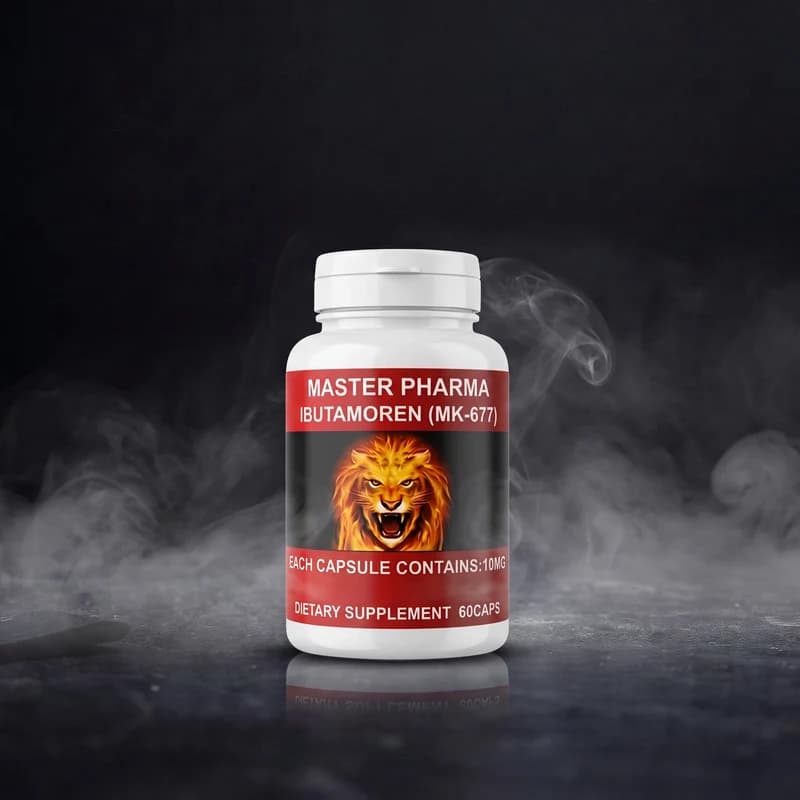
Ibutamoren (MK-677) 10mg/tab 60 Tablets by Elbrus Pharmaceuticals represents the entry-level concentration tier and is ideally suited to first-time ibutamoren users, those sensitive to the compound's known side effects (notably transient water retention and increased appetite), and athletes who prefer to titrate their dose upward gradually. At 10mg per tablet with 60 tablets per pack, this format provides a full 60-day supply at the minimum effective dose, or a 30-day supply at the 20mg daily dosage commonly used in intermediate protocols. Elbrus Pharmaceuticals is recognised for consistent pharmaceutical-grade tablet manufacturing, making this an accessible starting point with predictable dosing accuracy.
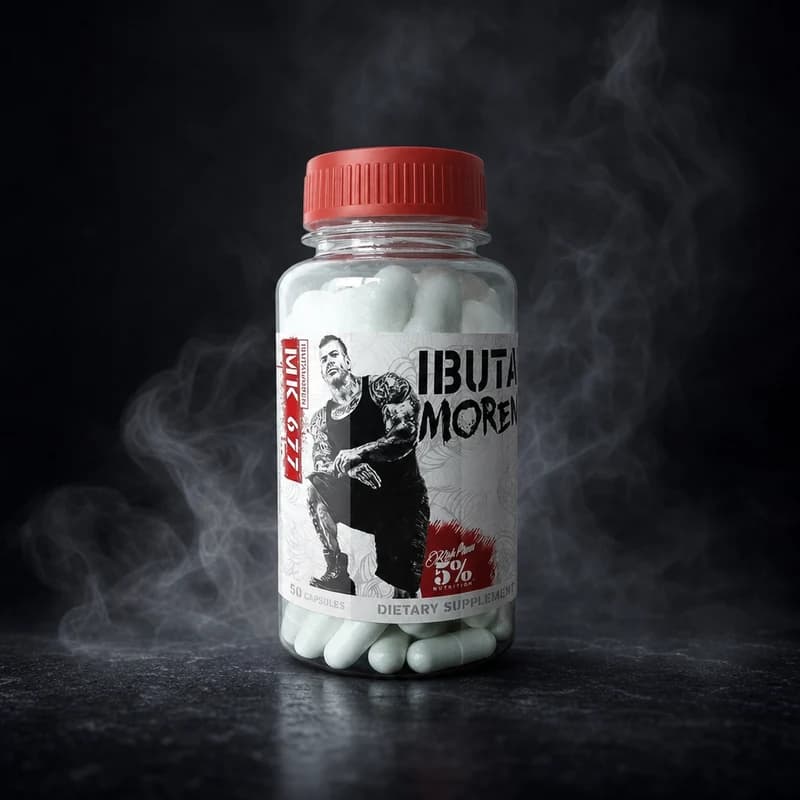
Ibutamoren 15mg/tab 50 Tablets by Rich Piana 5% Nutrition represents the higher concentration tier and is positioned for intermediate to advanced users who have already assessed their individual response to ibutamoren and are targeting the 15–25mg daily range. Rich Piana 5% Nutrition is a well-established sports nutrition brand with strong brand recognition among dedicated strength athletes, and this formulation aligns with the label's characteristic emphasis on higher-efficacy dosing. A single tablet provides 15mg — sufficient for a standalone daily dose at the lower end of the intermediate range, or easily combined to reach 25–30mg for advanced protocols.
Practical selection guidance: users new to ibutamoren or currently running it alongside other compounds should begin with the 10mg tier to establish tolerability. Experienced users in dedicated GH-focused cycles, or those specifically targeting sleep quality and recovery enhancement, typically find the 15mg tier more practical for daily convenience. Neither concentration requires splitting or compounding, making both formats straightforward to integrate into any supplement or compound stack.
Frequently Asked Questions
Does ibutamoren require post-cycle therapy (PCT)?
No. Ibutamoren does not interact with the hypothalamic–pituitary–gonadal axis and does not suppress endogenous testosterone production. Because it acts exclusively through the ghrelin receptor to stimulate GH and IGF-1, standard PCT protocols used after anabolic steroids or SARMs are not required following an ibutamoren cycle.
What is the best time of day to take ibutamoren tablets?
Most users dose ibutamoren once daily in the evening, approximately 30–60 minutes before sleep. This timing aligns the compound-induced GH pulse with the body's natural nocturnal growth hormone secretion peak during slow-wave sleep, potentially amplifying recovery and sleep quality benefits. Morning dosing is functional but is associated with greater daytime appetite stimulation.
How long does it take to notice results from ibutamoren?
IGF-1 elevation is measurable within the first week of use, but subjective benefits such as improved sleep quality and recovery are often the first changes users notice, typically within 1–2 weeks. Noticeable changes in muscle fullness and body composition generally become apparent after 4–6 weeks of consistent daily use at an effective dose.


 Lab Tested