What Lab Work Actually Governs a Responsible LGD-4033 Cycle
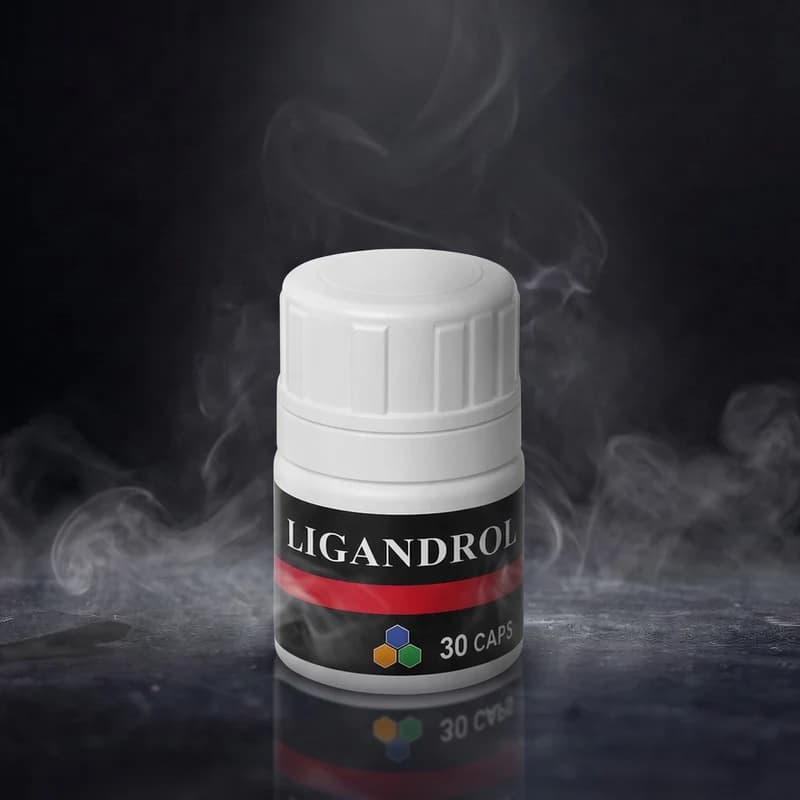
Ligandrol (LGD-4033) is an investigational non-steroidal SARM that selectively activates androgen receptors in skeletal muscle and bone — and its clinical fingerprint on bloodwork markers makes pre-cycle, mid-cycle, and post-cycle laboratory panels an operational necessity rather than optional due diligence. Three biomarker categories define cycle safety: sex hormone axis (total testosterone, LH, FSH), lipid panel (HDL, LDL, triglycerides), and hepatic stress indicators (ALT, AST). Running LGD-4033 without baseline values in all three categories removes the ability to quantify suppression depth, interpret lipid shifts, or attribute any liver enzyme change to the compound rather than confounding variables.
Bloodwork Timelines: Before, During, and After
A structured monitoring protocol maps to three fixed draw points. The pre-cycle panel — collected at minimum 7 days before first dose — establishes your individual baseline; published Phase I data (Basaria et al., 2013) recorded dose-dependent testosterone suppression, meaning your personal starting LH and FSH values determine how much signal you lose by week four. A mid-cycle draw at weeks 4–5 lets you compare HDL trajectory against baseline: HDL suppression on LGD-4033 is consistently reported in the 20–30% range via lipid panels in controlled research settings, and users whose HDL drops below 35 mg/dL warrant protocol reassessment. Compared to a no-monitoring approach, mid-cycle labs allow dose adjustment before suppression becomes clinically significant. The post-cycle draw at 4–6 weeks after the last tablet confirms hormonal axis recovery — LH and FSH returning toward pre-cycle values signal that PCT is achieving its intended endpoint.
Hepatic and Lipid Markers: What to Track and Why
LGD-4033 carries a lower hepatotoxic signal than methylated oral anabolic steroids; ALT elevations in Phase I subjects remained within the moderate range. Nonetheless, ALT and AST should anchor every panel because they provide the only objective window into hepatic stress. Master Pharma's lot-specific Certificate of Analysis — generated from each batch's own HPLC run — confirms that what enters your protocol is the declared 10 mg of LGD-4033, not a concentration error that could distort dose-response and confound your bloodwork interpretation. The 60-tablet count supports a full monitoring-anchored cycle: baseline draw, 8-week run with a mid-cycle panel, then post-cycle recovery assessment — all within a single purchase without mid-cycle restocking.

 Lab Tested