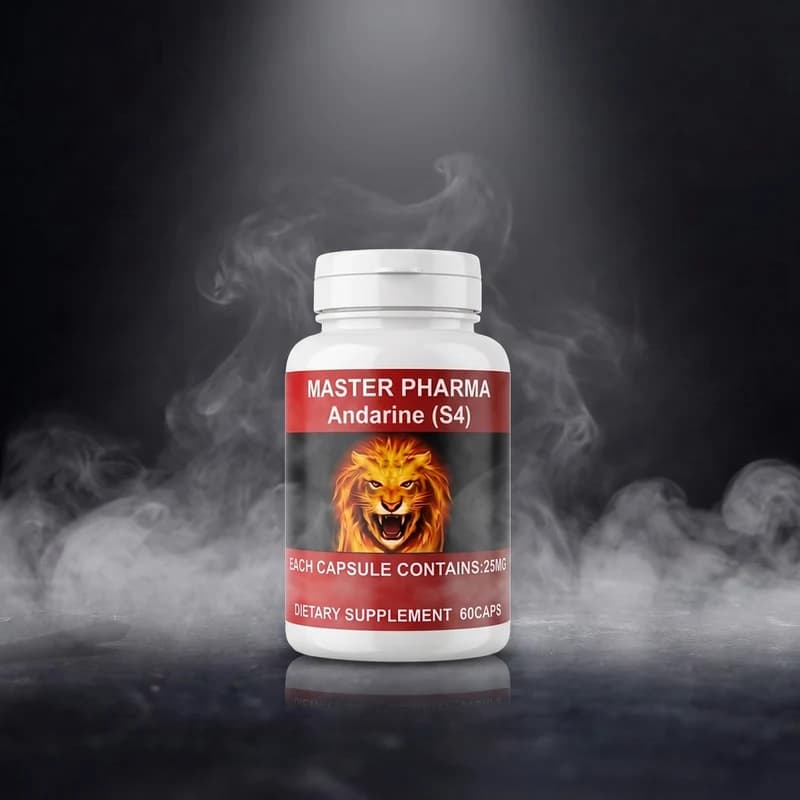
What Andarine (S-4) Actually Does — Hardness, Vascularity, and the Mechanism Behind Both
Andarine (S-4) is a non-steroidal selective androgen receptor modulator that preferentially activates AR-dependent transcription in skeletal muscle and cortical bone tissue, producing a dense, "dried-out" aesthetic that users describe as muscle hardness without the water retention associated with anabolic steroids. Unlike broad-acting androgens, S-4 does not aromatise to oestrogen and does not convert to DHT, two processes responsible for subcutaneous water retention and the soft look many cutting athletes try to avoid. The hardness effect is not cosmetic illusion — Andarine promotes myofibrillar density by upregulating protein synthesis genes downstream of AR activation, a mechanism confirmed in preclinical models using validated AR-reporter assays.
Vascularity improves alongside hardness for a related reason: as subcutaneous and intramuscular fat decreases and muscle fibre volume stays stable or increases, blood vessels lying close to the skin surface become more visible. S-4 accelerates this process compared to diet alone because it maintains lean mass during a hypocaloric phase — a significant advantage, because muscle loss on a cut typically reduces the very fullness that makes veins prominent. Elbrus Pharmaceuticals' 10 mg tablet format allows users to manage total daily exposure with precision, which matters for a compound where dose-dependent response is well documented.
The Vision Side Effect of S-4 — Explained Clearly
Andarine produces a distinctive, dose-dependent side effect: a yellow-green tint to vision and reduced adaptation to low-light environments. This occurs because S-4 and its metabolite (specifically metabolite M1) bind to the androgen receptor in the ocular retina, particularly in rod photoreceptors responsible for scotopic (low-light) vision. The effect is reversible — visual disturbance resolves when the dose is reduced or the compound is discontinued, typically within days to weeks. Most users report the tint is most noticeable when transitioning from bright outdoor light to indoor or dim settings. Managing this side effect is straightforward: splitting the daily dose into two administrations (morning and early afternoon) lowers peak plasma concentration and reduces retinal AR occupancy at any single point in the day.
Dosing Strategy and Lab-Verified Quality
The clinical and community evidence base points to 25–50 mg/day as the functional range for aesthetic outcomes, with vision sensitivity increasing meaningfully above 50 mg/day. Elbrus Pharmaceuticals manufactures the S-4 10 mg tablet under GMP-aligned conditions; every production batch undergoes HPLC-based potency analysis and LAL endotoxin testing before release — not as a marketing claim, but as a documented, lot-number-referenced gate. This batch-level traceability means the 10 mg declared on the label corresponds to a verified analytical result, not an assumed equivalence to a raw material certificate.

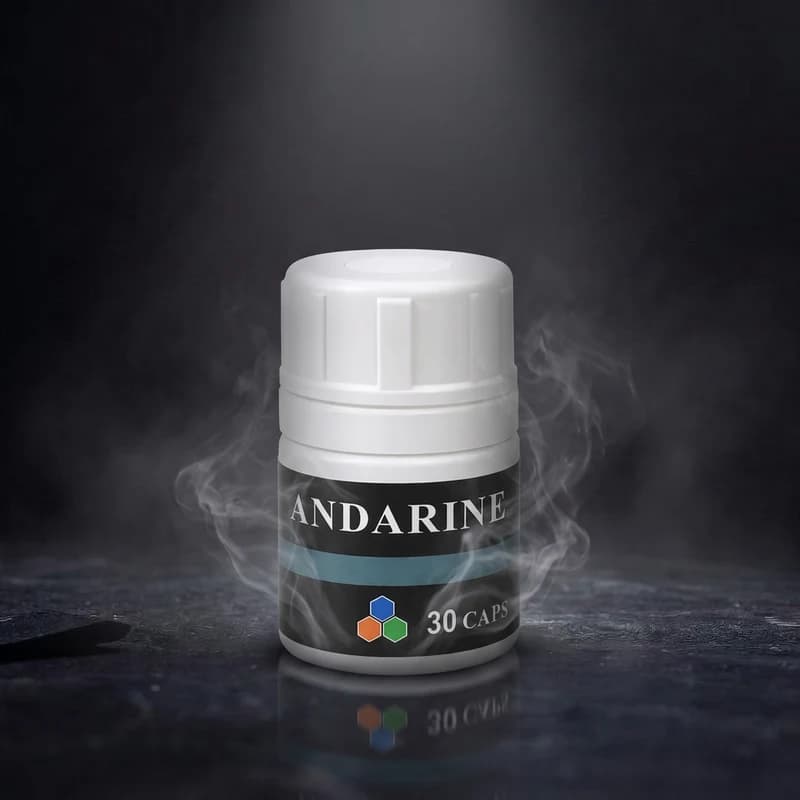 Pharma Grade