SR9009 as a Non-Androgenic Research Compound: Understanding Tissue Selectivity
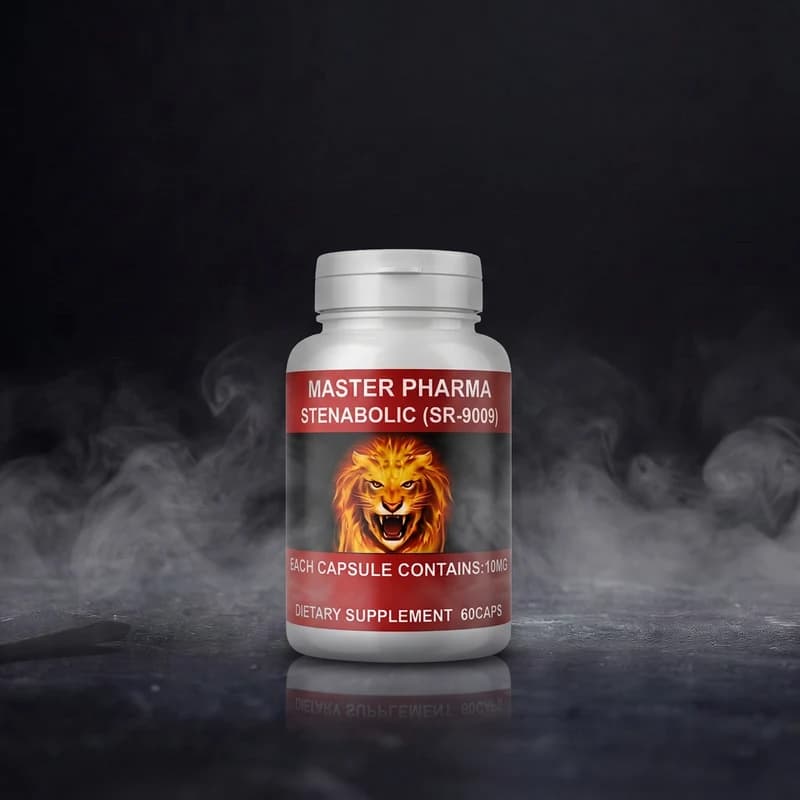
Stenabolic (SR9009) is a REV-ERB α/β agonist that modulates mitochondrial biogenesis, glucose metabolism, and circadian clock genes — a mechanism of action categorically distinct from the androgen-receptor pathway exploited by both classic anabolic-androgenic steroids (AAS) and most SARMs. This distinction matters because androgenic selectivity is the primary axis on which SARMs are differentiated from AAS: SARMs such as LGD-4033 or S-23 bind the androgen receptor with tissue-preferential affinity, whereas SR9009 bypasses the androgen receptor entirely. Vital Research supplies SR9009 at 8 mg per tablet — the highest per-tablet concentration in its single-ingredient oral REV-ERB range — delivering precise dosing without splitting.
Selectivity Compared: SARMs vs. Steroids vs. SR9009
Classic AAS activate androgen receptors systemically, producing anabolic effects in muscle alongside androgenic effects in the prostate, skin, and hair follicles — a coupling that defines their side-effect burden. SARMs partially decouple this by exploiting receptor conformation differences across tissues; preclinical data suggest tissue-selective partial agonism, though full androgenic suppression of the hypothalamic-pituitary-gonadal (HPG) axis remains a documented concern across the SARM class. SR9009 sidesteps androgenic suppression risk because REV-ERB agonism does not signal through the HPG axis — REV-ERB proteins regulate BMAL1/CLOCK gene expression, not testosterone biosynthesis. Compared to testosterone enanthate, SR9009 produces no aromatization and no direct DHT conversion, removing estrogen-related and androgenic side effects from the risk profile entirely.
Mechanism and Metabolic Targets
SR9009 activates REV-ERB receptors in skeletal muscle, liver, and adipose tissue, upregulating mitochondrial content and fatty acid oxidation while downregulating lipogenic gene expression. Research in rodent models (published in Nature Medicine, 2013, Burris et al.) demonstrated that SR9009 increased exercise capacity and reduced fat mass without caloric restriction — findings that drove research interest in the compound. Vital Research's HPLC verification protocol confirms that each 8 mg tablet delivers active SR9009 within specification, and LAL endotoxin testing confirms microbiological acceptability at the lot level.
Lab Testing and Documentation
Every 30-tablet blister produced by Vital Research is assigned a unique lot code tied to its compound-specific certificate of analysis. GMP-aligned manufacturing governs API sourcing, content uniformity, and blister sealing — ensuring that the selectivity advantages of the compound are not undermined by dosing inconsistency.

 Pharma Grade