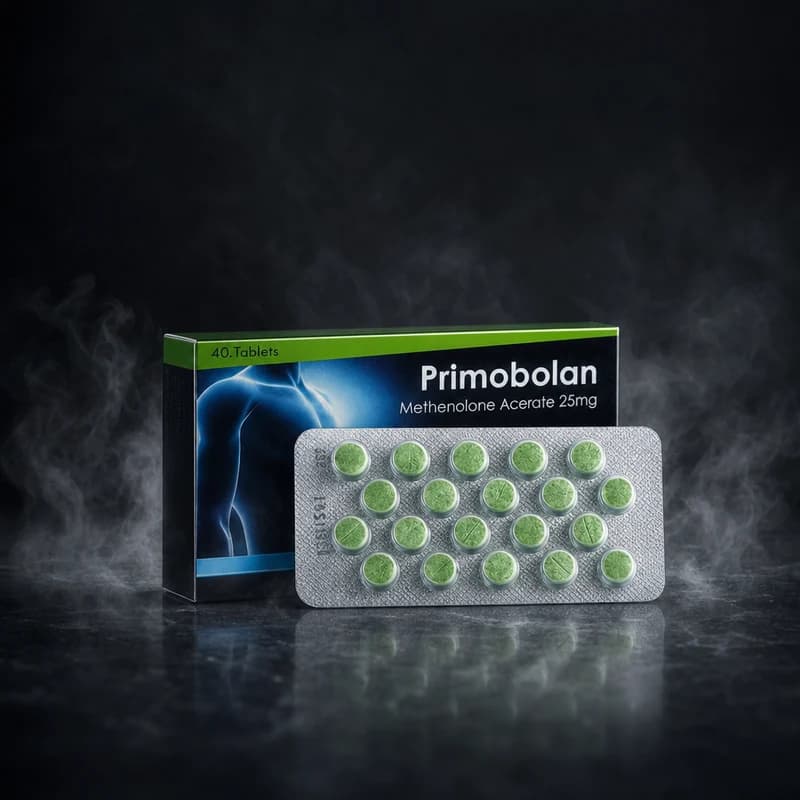
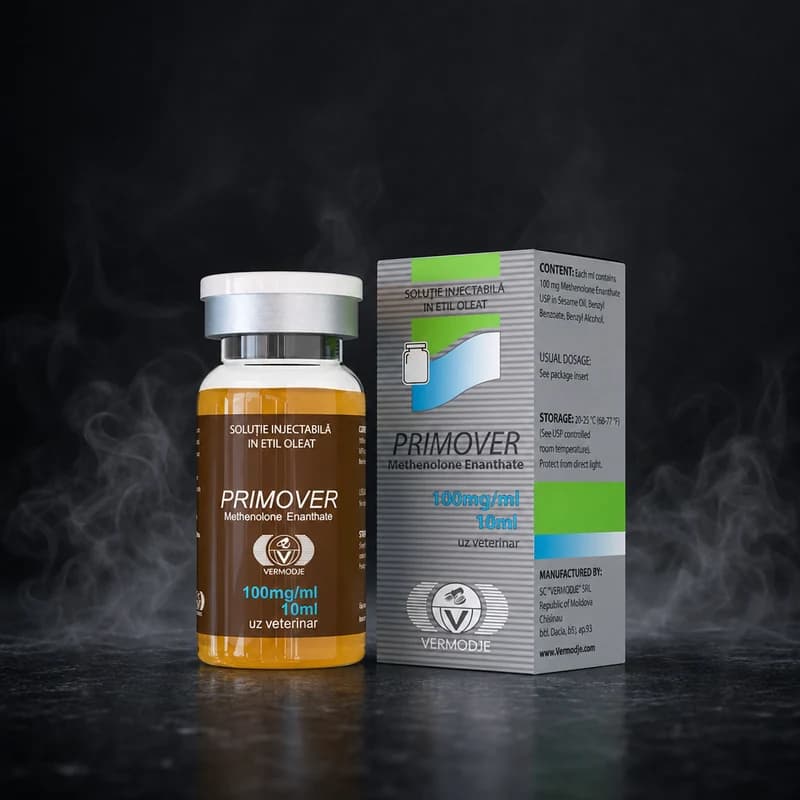
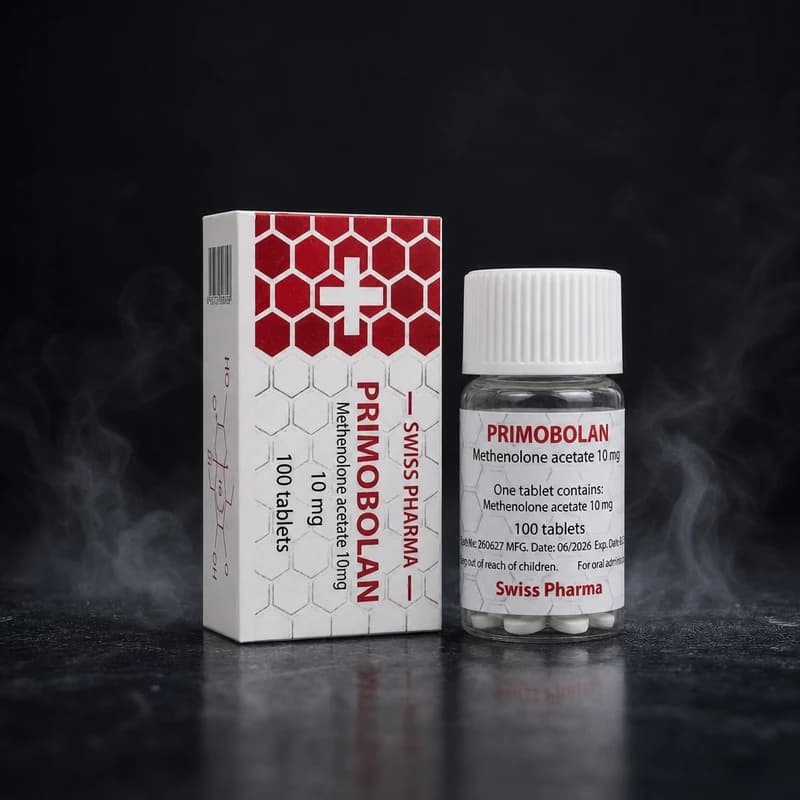
Methenolone enanthate is a dihydrotestosterone-derived anabolic androgenic steroid esterified at the C17-beta position with enanthic acid, extending its active life significantly beyond its acetate counterpart and making it suitable for infrequent intramuscular injection protocols.
Mechanism and Pharmacology of Methenolone Enanthate
Methenolone enanthate binds the androgen receptor with moderate affinity, producing anabolic signalling through classical genomic pathways without converting to oestradiol via aromatase. This non-aromatising characteristic is among the compound's most pharmacologically significant properties: users accumulate lean, dry muscle tissue rather than oedematous mass, and circulating oestrogen levels remain essentially unperturbed throughout the cycle. The enanthate ester releases methenolone from the intramuscular depot across an active half-life of approximately 10–14 days, enabling once- or twice-weekly injection schedules that sustain stable plasma concentrations and minimise pharmacokinetic peaks and troughs.
Methenolone does not undergo 5-alpha reductase conversion because it is itself a 5-alpha reduced derivative of testosterone; no further reduction amplifies androgenic potency in scalp, prostate, or skin. The compound carries a calculated anabolic-to-androgenic ratio of roughly 88:44 — substantially more anabolic relative to androgenic tissue activity compared with testosterone (100:100), explaining its comparatively mild virilisation profile at standard doses. Oral bioavailability of the acetate form is limited, but the injectable enanthate formulation bypasses first-pass hepatic metabolism entirely, delivering active methenolone directly to systemic circulation with high bioavailability. Hepatotoxicity markers are negligible with the injectable route, consistent with the absence of a C17-alpha alkyl modification. Nitrogen retention is enhanced at the skeletal-muscle level; methenolone stimulates protein synthesis by upregulating androgen receptor transcription of mTOR-pathway genes, contributing to gradual but high-quality hypertrophy.
Androgen receptor occupancy by methenolone also modulates IGF-1 expression in hepatic and muscular tissue, providing an additional anabolic signal independent of direct receptor activation. Suppression of the hypothalamic-pituitary-gonadal axis is real but comparatively moderate relative to 19-nor androgens such as nandrolone, making post-cycle endocrine recovery more straightforward. Plasma half-life of the free steroid following ester hydrolysis is roughly five to seven hours, though sustained depot release keeps serum concentrations elevated for the full interinjection interval.
Application Context and User Groups
Methenolone enanthate serves a well-defined niche in structured bodybuilding and physique sport contexts. It is deployed predominantly during caloric-deficit or maintenance phases — commonly termed "cutting" or "lean bulking" — where the primary objective is preserving existing lean mass while body-fat reduction proceeds. Because the compound does not contribute to water retention or progesterone-mediated side effects, it integrates cleanly into pre-competition preparation without the subcutaneous fluid accumulation that distorts muscularity on stage.
Experienced athletes frequently position methenolone enanthate as a base compound in polypharmacy stacks, pairing it with agents such as testosterone propionate or enanthate to maintain endogenous androgen replacement while driving the qualitative lean-gain effect of methenolone. Weekly doses in practitioner-discussed literature range broadly — commonly cited between 400 mg and 800 mg per week in performance contexts — divided across two administrations to maintain stable trough concentrations. At these levels, lean tissue preservation during aggressive caloric restriction is the primary reported benefit, with users noting hardness and vascularity improvements attributable to the absence of oestrogenic water retention.
Female athletes represent a historically important user group for methenolone, given that its comparatively low androgenic activity reduces the risk of irreversible virilisation at conservative doses. The injectable enanthate form, however, makes dose titration less precise than the acetate version, so many female practitioners favour the oral acetate for shorter cycles. Male beginners transitioning from testosterone-only protocols sometimes introduce methenolone enanthate as a second compound because it provides meaningful anabolic output without introducing aromatase-related complexity. Masters-level athletes value its tolerability profile across longer durations. Competitive powerlifters and strength athletes may find its benefit-to-risk balance attractive when staying within specific weight classes while retaining strength between preparation phases. The compound's broad applicability across experience levels, combined with its manageable suppression, explains why 26 distinct product listings from 25 manufacturers exist across this category.
Range and Selection by Concentration and Pack Size
This category offers three concentration tiers — 100 mg/ml, 150 mg/ml, and 200 mg/ml — across multiple pack configurations including 10 ml multi-dose vials, 10×1 ml ampoule strips, and single 1×1 ml ampoules, giving users meaningful choice based on cycle length, injection volume preference, and sourcing logistics.
100 mg/ml — Standard Concentration
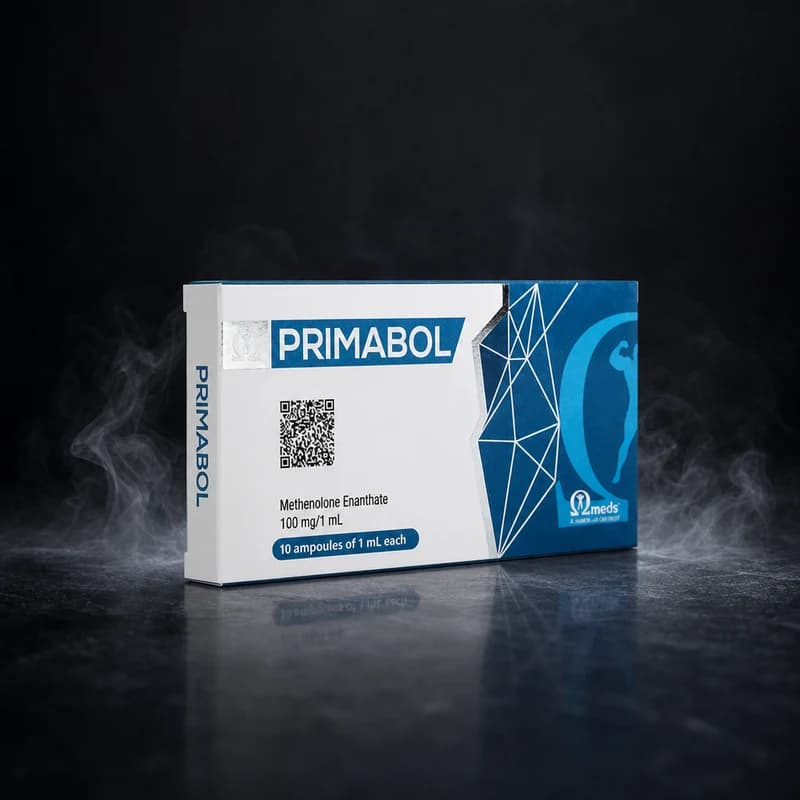
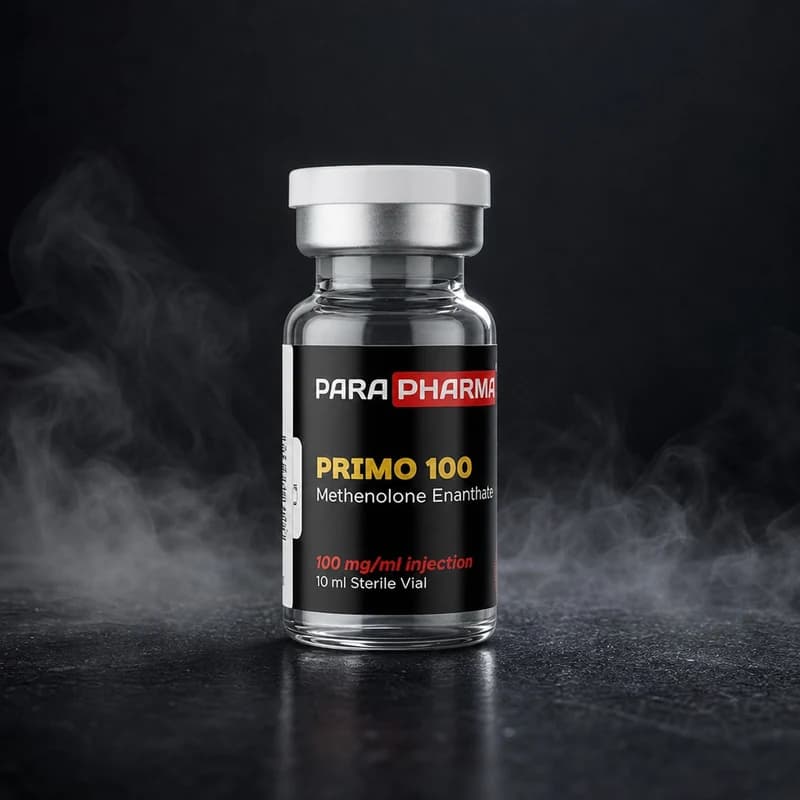
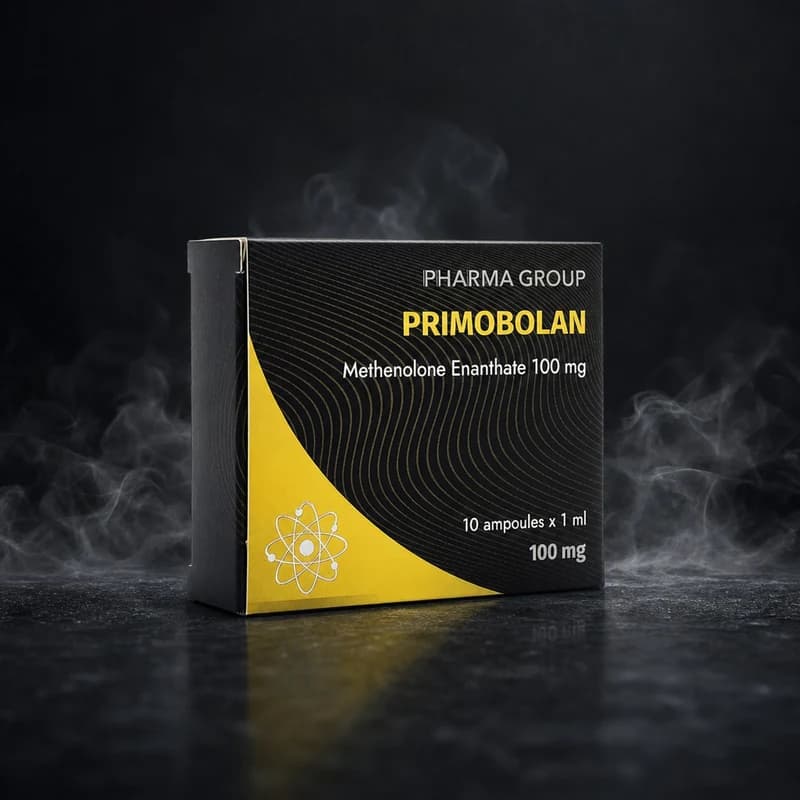
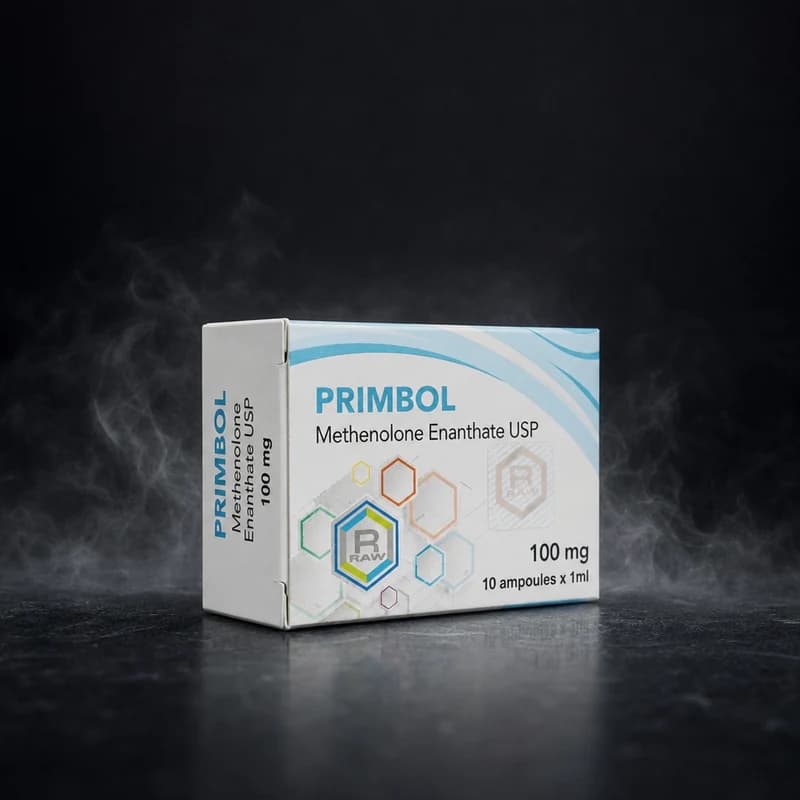
The 100 mg/ml tier is the most extensively represented and represents the industry baseline for methenolone enanthate. Primabolin-100 by BM Pharmaceuticals and Primobol by Balkan Pharmaceuticals both occupy this tier, the latter supplied as a 10×1 ml ampoule strip that offers single-use sterility and accurate per-injection dosing — a meaningful advantage for users who prioritise minimising contamination risk. Rimobolan by Schering, presented as single 1×1 ml ampoules, carries the additional credibility of pharmaceutical-grade manufacturing provenance, making it a reference-standard option often cited in European performance communities. Primobolan 100 by Dragon-Pharma rounds out this tier in a conventional 10 ml vial format, suitable for longer cycles without repeated purchasing. At 100 mg/ml, injection volumes for a 400 mg weekly dose reach 4 ml, which users should account for when planning injection site rotation — particularly relevant for twice-weekly protocols splitting this into 2 ml per administration.
150 mg/ml — Mid-Concentration
The 150 mg/ml tier reduces injection volume by one third compared with standard formulations, providing a practical benefit for users managing multiple compounds and seeking to limit per-injection volume burdens. PrimoTrex by Concentrex Labs exemplifies this tier in a 10 ml vial, enabling a 600 mg weekly dose at just 4 ml total — down from 6 ml at standard concentration. This tier suits intermediate-to-advanced users running moderate-to-high weekly doses where volume management is a genuine practical consideration.
200 mg/ml — High Concentration
The 200 mg/ml tier halves the injection volume required relative to 100 mg/ml products and is appropriate for experienced users running higher weekly doses or those wishing to consolidate multi-compound injections into minimal volume. Injection-site comfort should be assessed individually, as higher-concentration preparations occasionally carry increased local irritation depending on the solvent system used by the manufacturer. Users new to this tier are advised to trial single-site tolerance before committing to prolonged protocols.
Etho-Primobolan by Beligas Pharmaceuticals, available at 100 mg/ml in a 10 ml vial, offers another established option for users seeking manufacturer diversity within the standard tier. Across all concentration tiers, the 10 ml vial format provides economy across longer cycles, while ampoule formats prioritise single-dose precision and sterility.
Frequently Asked Questions
How often should methenolone enanthate be injected?
Given its half-life of approximately 10–14 days via the enanthate ester, methenolone enanthate is commonly administered once or twice per week. Twice-weekly injections are generally preferred to maintain more stable serum concentrations, reduce peak-to-trough fluctuation, and optimise consistent anabolic signalling across the cycle duration.
Does methenolone enanthate cause water retention or gynaecomastia?
Methenolone enanthate does not aromatise to oestradiol, meaning oestrogenic side effects — including water retention and gynaecomastia — are not attributable to the compound itself. Users who experience these effects while using methenolone enanthate are typically running it alongside aromatising androgens such as testosterone, which remain the likely oestrogen source.
What distinguishes 100 mg/ml from 150 mg/ml or 200 mg/ml methenolone enanthate products?
Concentration determines injection volume per dose, not the active compound or its pharmacological effect. Higher concentrations such as 150 mg/ml and 200 mg/ml reduce the volume required to achieve a target weekly dose, which is practically advantageous when stacking compounds. Solvent formulation may differ across concentrations, occasionally influencing local injection-site comfort.


 Community Favorite