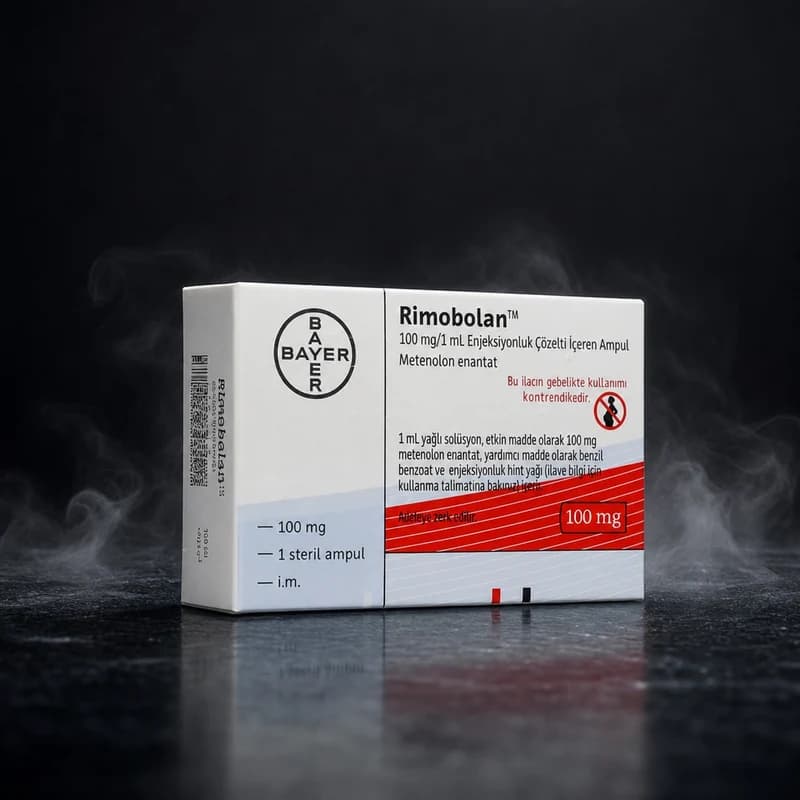
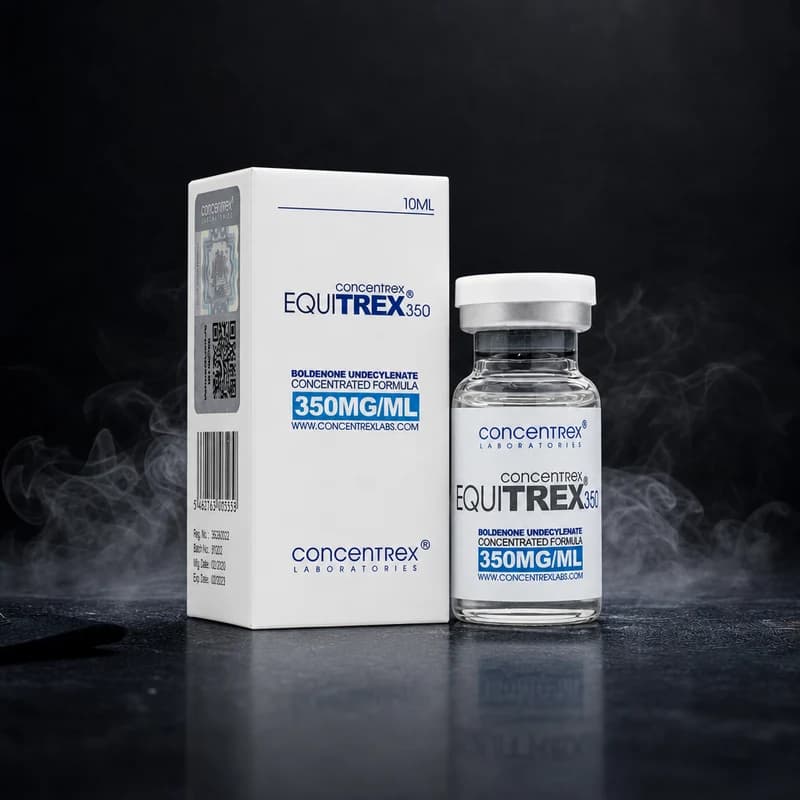
Contraindications: Primo 150 is contraindicated in individuals with known or suspected androgen-dependent neoplasia, active or prior liver disease, hypercalcaemia, and women who are pregnant or breastfeeding. Male patients with a history of cardiovascular events should seek physician assessment before initiating any androgen-based protocol involving frontloading, as the elevated opening-dose phase transiently raises androgenic load above the maintenance level.
Side Effects: Reported adverse effects associated with Methenolone Enanthate include suppression of endogenous testosterone production (dose- and duration-dependent), mild androgenic effects such as increased sebum production and, in genetically predisposed users, accelerated scalp hair thinning. The frontloading phase may concentrate these androgenic signals into the first two weeks; users sensitive to androgenic effects should consider a conservative 1.5× load factor rather than 2×. Injection-site discomfort is possible with volumes approaching 2 ml per site; ventrogluteal administration reduces local reaction risk.
Monitoring: Obtain a full bloodwork baseline — including total testosterone, LH, FSH, haematocrit, lipid panel, and liver enzymes — before the loading injection. Repeat the panel at week 4–6 to capture the post-frontload steady-state picture. Haematocrit elevation above 52% warrants dose reduction or temporary cessation. Lipid monitoring is particularly relevant during caloric-restriction cycles, where dietary fat limitation may amplify androgen-driven LDL shifts.
PCT: Endogenous testosterone suppression induced by Methenolone Enanthate requires structured PCT following cycle cessation. Because the enanthate ester produces a prolonged depot release, allow a clearance window of approximately 14–18 days after the final injection before beginning SERM-based PCT (typically tamoxifen or clomiphene at standard clinical reference doses). The extended clearance consideration applies regardless of whether a frontload was used, as the last maintenance doses — not the loading dose — determine the post-cycle depot.

 Established Brand