Androgen Receptor Binding: How Methenolone Enanthate Produces Its Effects
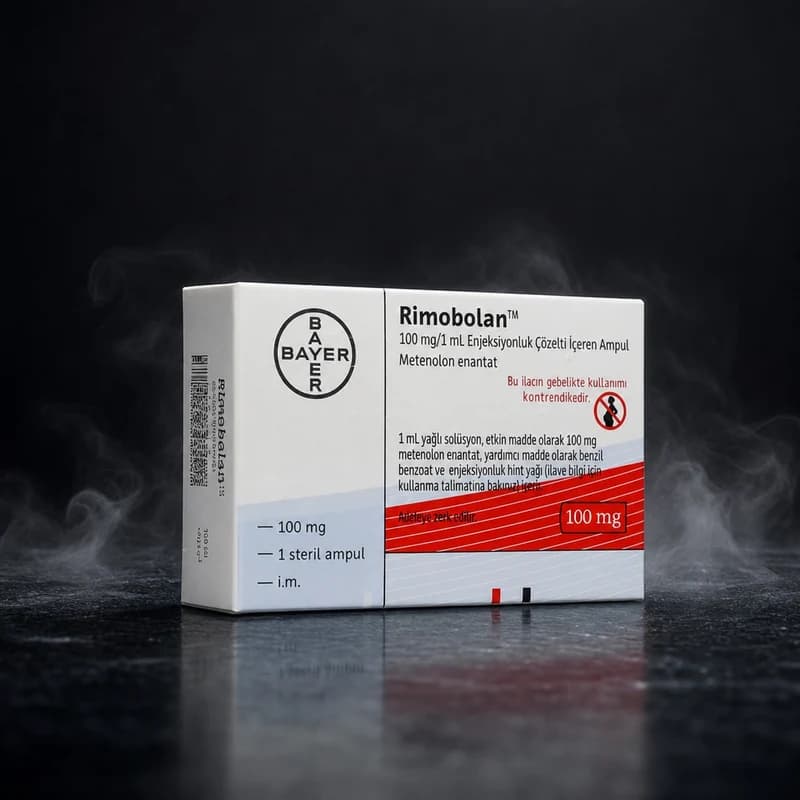
Methenolone Enanthate is a 17β-hydroxy-1-methyl-5α-androst-1-en-3-one esterified anabolic whose pharmacological activity is governed entirely by direct androgen receptor (AR) engagement, with no reliance on aromatase conversion or 5α-reductase activity. The parent steroid, Methenolone, binds the androgen receptor with moderate affinity — reported relative binding affinity (RBA) values place it below testosterone but above most 19-nor derivatives in tissue-selectivity assays conducted against purified human AR preparations. This receptor-level selectivity is the mechanistic reason Methenolone produces measurable anabolic output at comparatively low circulating concentrations.
DHT Lineage and Structural Basis of Receptor Interaction
Methenolone is structurally classified as a dihydrotestosterone (DHT) analogue with a C1–C2 double bond introduced to resist rapid 3α-hydroxysteroid dehydrogenase inactivation — the same enzyme that renders DHT itself largely inactive in skeletal muscle. Because Methenolone resists this inactivation, the compound retains AR occupancy in muscle tissue far longer than DHT itself does under identical receptor-density conditions. Compared to nandrolone — a 19-nor compound that exerts significant progestogenic activity alongside AR binding — Methenolone displays negligible progestogen receptor affinity, a difference with practical implications for water retention and mood-related side effects.
Receptor-Mediated Gene Transcription and Downstream Anabolic Signalling
Once Methenolone occupies the androgen receptor, the ligand-bound AR dimer translocates to the nucleus and binds androgen-response elements (AREs) on target gene promoters, upregulating transcription of myosin heavy-chain isoforms and insulin-like growth factor splice variants implicated in satellite-cell activation. This genomic pathway is the principal route by which Methenolone Enanthate increases nitrogen retention and promotes positive protein balance, as confirmed by nitrogen-balance studies in clinical contexts where the compound was used to counter catabolic conditions. The absence of aromatase-mediated oestrogen conversion means receptor-driven anabolism occurs without concurrent oestrogen-mediated water retention, making lean-tissue accrual the dominant observable outcome.
Concentration, Dosing Precision, and AR Occupancy
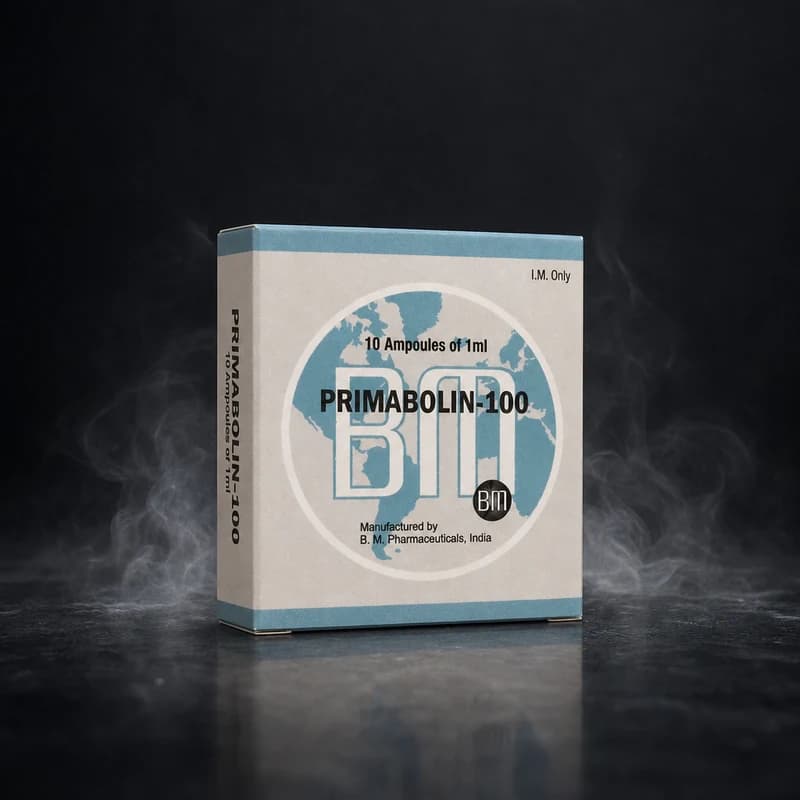
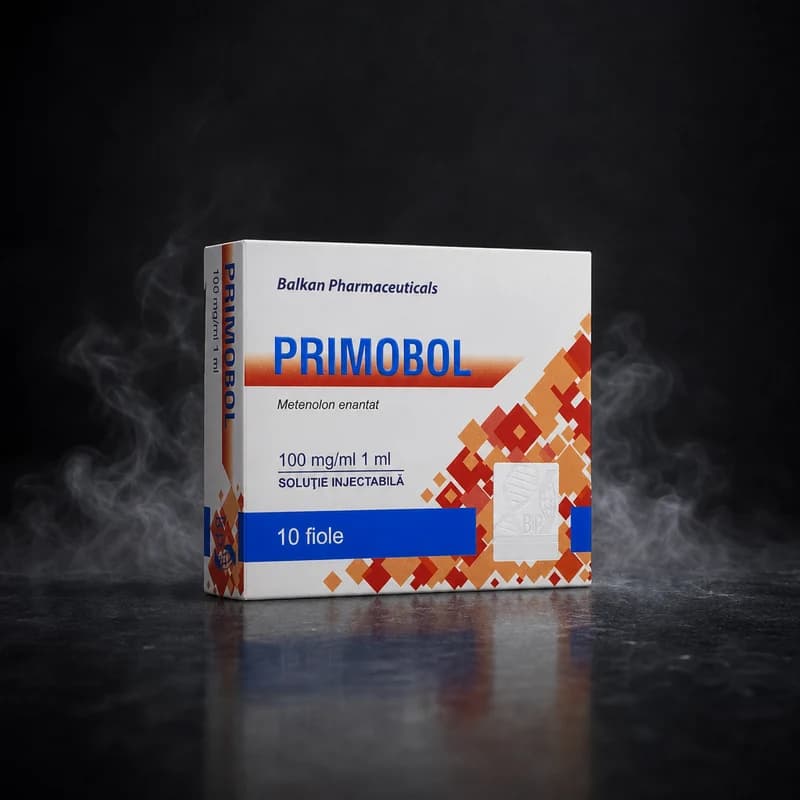
The 100mg/ml concentration in Primos provides the lowest per-millilitre dose density in the Methenolone Enanthate injectable category, enabling precise AR-saturation titration: users can increment weekly receptor-loading in 50mg steps per 0.5ml without the volume-calculation burden associated with higher-density formulations. Driada Medical's HPLC-verified fill accuracy ensures that stated AR-loading doses correspond to actual administered milligrams, making receptor-occupancy modelling predictable across a full 10ml vial cycle.

 Established Brand