Methenolone Enanthate and the Insulin-Metabolism Axis
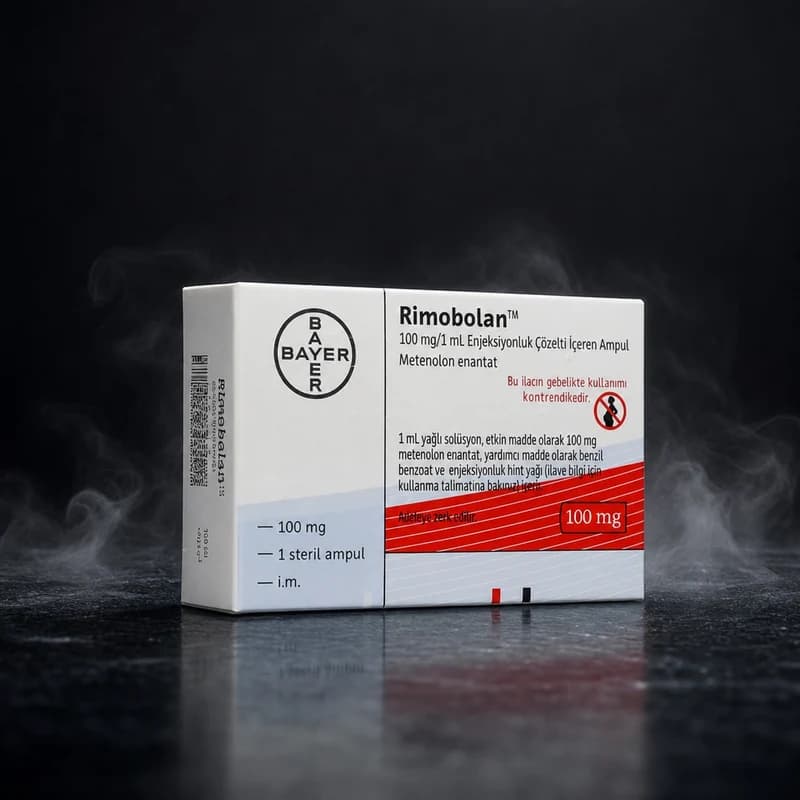
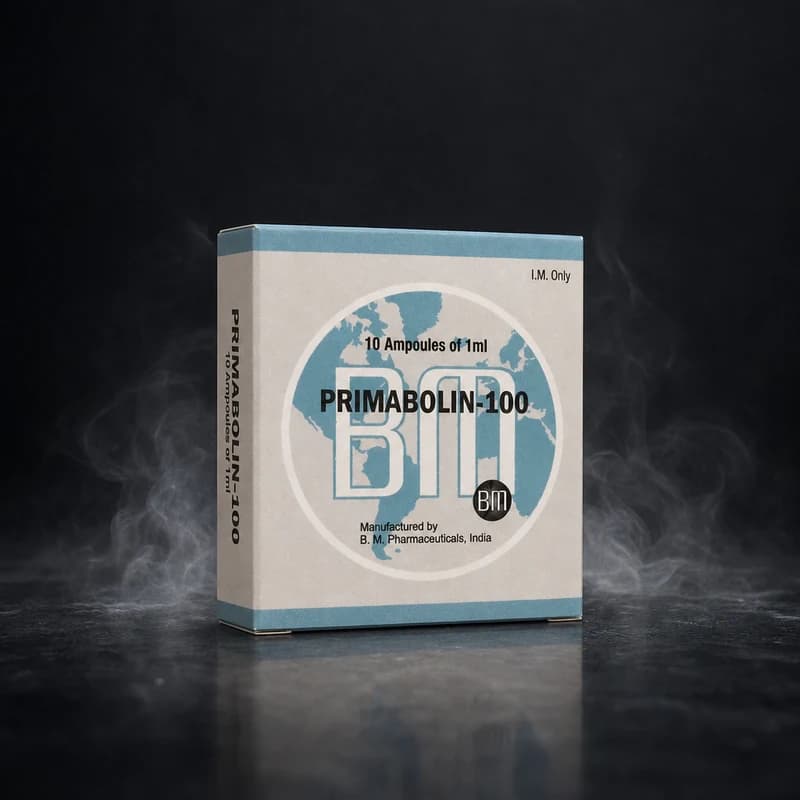
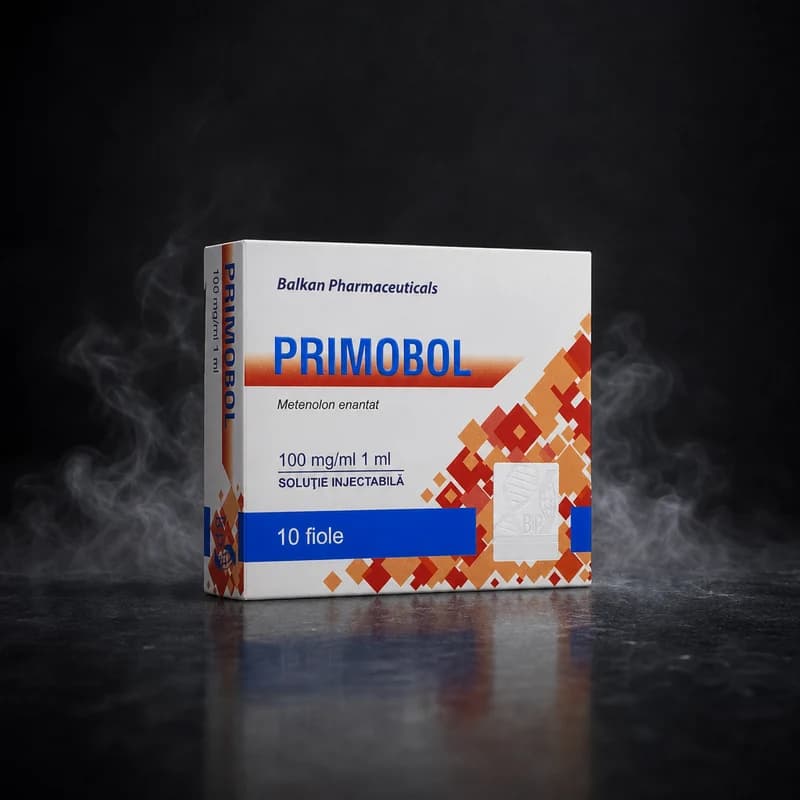
Genesis Primobolan Injection is a sterile oil-based anabolic formulated at 100mg/ml Methenolone Enanthate — a compound recognised in clinical and sports-pharmacology literature for its capacity to shift the metabolic environment toward improved insulin sensitivity and enhanced nutrient uptake in lean tissue. Where many anabolic agents disrupt glucose homeostasis by elevating IGF-1 and insulin resistance markers, peer-reviewed investigations into Methenolone's androgenic profile indicate a comparatively neutral-to-favourable effect on fasting glucose and HOMA-IR indices, distinguishing it from 17-alpha-alkylated oral compounds that carry documented hepatotoxic metabolic burden.
Methenolone Enanthate promotes glucose transporter expression (notably GLUT4) in skeletal muscle. This mechanism supports greater carbohydrate uptake into working muscle cells rather than peripheral adipose tissue, a partitioning shift quantified in androgen-receptor–mediated transcription assays. Nitrogen retention improves as a downstream consequence, reinforcing lean-mass accrual during hypocaloric or maintenance-calorie diets — contexts where insulin sensitivity is already compromised by energy deficit stress.
Metabolic Differentiation Compared to Other Androgens
Compared to compounds with stronger androgenic indices (testosterone at anabolic-to-androgenic ratio ≈ 100:100 vs. Methenolone's ≈ 88:44–57 per receptor-assay literature), Methenolone Enanthate elicits less androgenic receptor overstimulation of hepatic gluconeogenic pathways. Genesis supplies this compound at 100mg/ml — the lowest concentration in the Methenolone Enanthate injectable category — which permits precise weekly-dose titration in 50mg increments without volume excess, a practical advantage when monitoring blood-glucose responses across progressive dose escalation.
Genesis Quality Framework
Genesis subjects each batch of Primobolan Injection to HPLC potency confirmation, ensuring the declared 100mg/ml concentration is verified against pharmacopoeial reference standards. The LAL (Limulus Amebocyte Lysate) endotoxin assay screens for bacterial pyrogens before batch release. Aseptic fill-finish takes place in GMP-classified cleanrooms, and batch-release documentation accompanies every vial — providing a traceable quality chain for users who incorporate blood-work monitoring into their metabolic management protocols.

 Established Brand