Mechanism & Pharmacology of Boldenone Undecylenate
Boldenone undecylenate is a synthetic, long-chain esterified anabolic-androgenic steroid derived from testosterone, distinguished by a double bond at the C1–C2 position of the steroid nucleus that meaningfully alters its metabolic and receptor-binding profile relative to its parent hormone. The undecylenate ester — eleven carbons in length — is responsible for the compound's extended pharmacokinetic window. Following intramuscular injection, the ester is cleaved by circulating esterases, liberating free boldenone into systemic circulation. This hydrolysis is gradual, producing a plasma concentration curve that remains elevated for approximately 14 days per injection, with a reported elimination half-life of 14–16 days in most pharmacological references. Active tissue concentrations can persist detectably for considerably longer, a fact relevant to competition-tested athletes planning substance clearance.
Once free boldenone is present, it binds the androgen receptor with a relative binding affinity approximately 50% that of testosterone itself. The C1–C2 double bond reduces affinity for the 5-alpha-reductase enzyme, meaning boldenone undergoes significantly less conversion to a more potent dihydro-metabolite compared with testosterone — a property that reduces the androgenic load at tissues such as the scalp and skin. Simultaneously, boldenone demonstrates a very low rate of aromatisation to oestradiol, estimated at roughly 50% of testosterone's aromatisation rate, which limits oestrogen-mediated water retention and gynecomastia risk without eliminating them entirely. Boldenone's capacity to stimulate erythropoietin production in the kidneys is well-documented and accounts for the pronounced elevation in red blood cell count that many users report, contributing to enhanced oxygen-carrying capacity and muscular endurance. Its androgenic-to-anabolic ratio sits at approximately 50:100, meaning the compound favours anabolic tissue signalling relative to androgenic effects — a profile that makes it functionally distinct from more androgenically loaded compounds in practical use.
Application Context & User Groups
The slow-release kinetics and moderate receptor pharmacology of boldenone undecylenate make it a compound suited to longer cycle structures. Meaningful tissue adaptations from a slow-ester injectable of this type are generally not observable within cycles shorter than twelve weeks; experienced users typically run sixteen to twenty-week cycles to allow the compound's gradual accumulation and sustained receptor signalling to express fully. Injection frequency in clinical and community practice commonly ranges from once weekly to once every five days, with the latter schedule used to maintain more stable plasma levels.
Boldenone undecylenate finds utility across distinct user profiles. Physique athletes in the building phase value it for promoting lean mass accrual without the rapid intracellular water accumulation associated with more oestrogenic compounds, which makes off-season condition easier to monitor and adjust. Strength athletes and functional competitors appreciate the erythropoietic effect — the measurable increase in haematocrit and haemoglobin — that supports work capacity and recovery between high-intensity sessions. Athletes in weight-category sports or aesthetic disciplines sometimes incorporate boldenone in preparation phases, leveraging its relatively modest aromatisation to manage the oestrogen-to-androgen balance during caloric restriction.
As a secondary compound, boldenone undecylenate pairs frequently with testosterone esters as a foundational base. Its complementary receptor and enzyme profile means the two compounds are generally considered to work additively rather than redundantly. Users requiring a lower androgenic burden — those sensitive to scalp or skin androgenic effects — often favour boldenone precisely for its reduced 5-alpha-reductase activity relative to compounds such as nandrolone decanoate or testosterone enanthate. It is also encountered in more advanced multi-compound cycles, though its long half-life demands early planning for any cycle termination. Note that boldenone undecylenate, like all injectable anabolic-androgenic steroids, is a controlled substance in the UK and many other jurisdictions; individuals should be fully informed of the legal and health framework before any consideration of use.
Range & Selection by Concentration and Pack Size
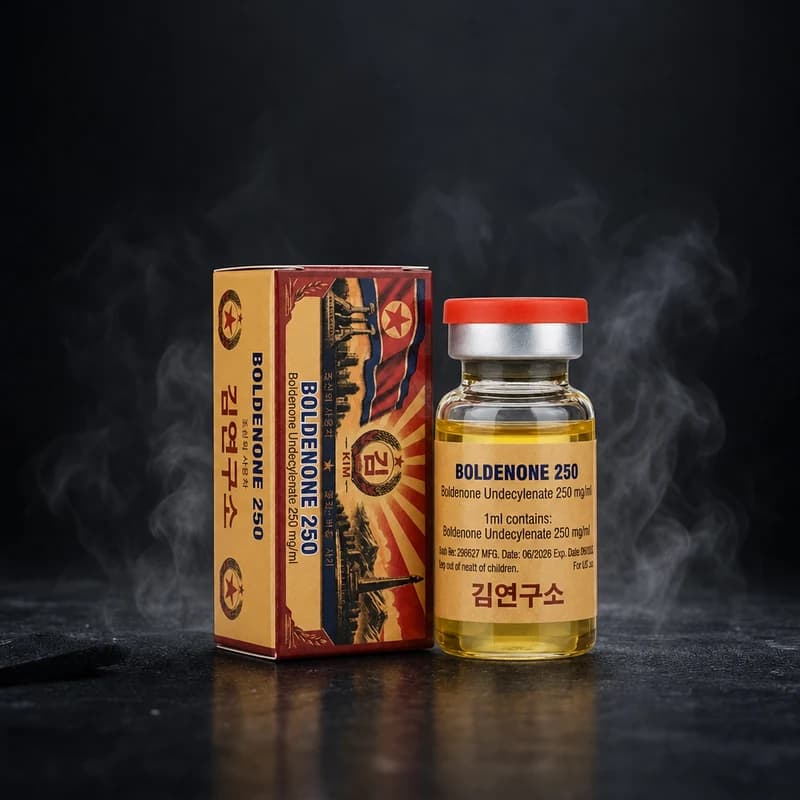
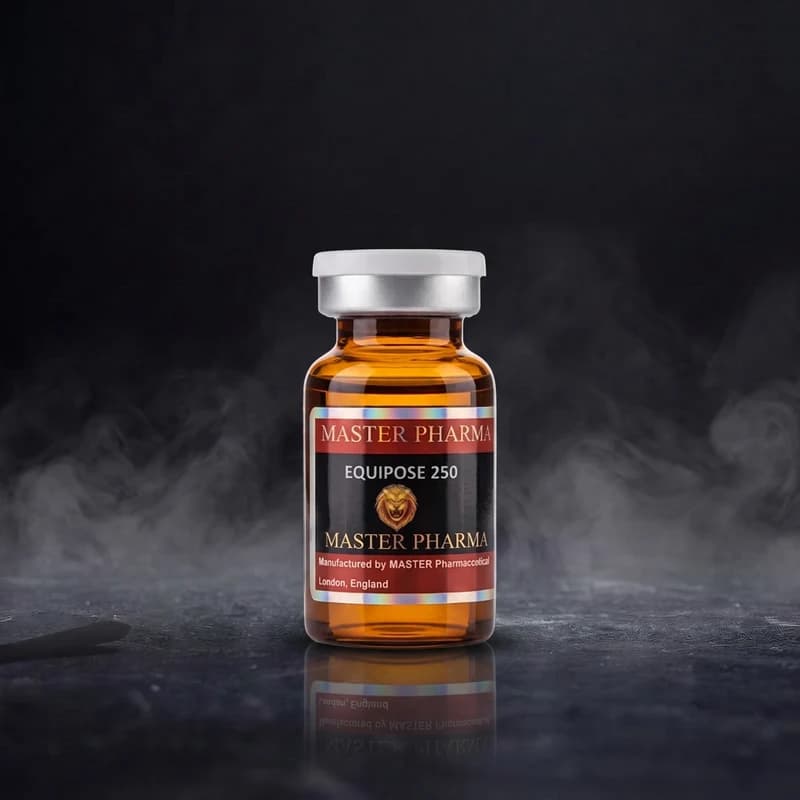
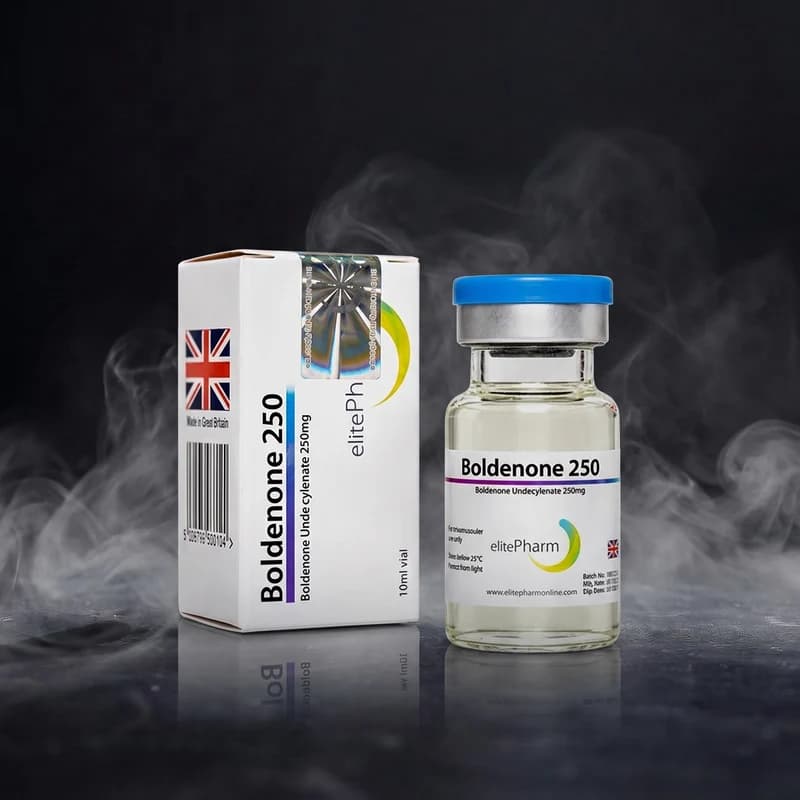
This category covers five distinct concentration tiers — 200 mg/ml, 250 mg/ml, 300 mg/ml, 350 mg/ml, and 500 mg/ml — across both 10 ml vials and 10×1 ml ampoule formats, giving users considerable flexibility in dosing precision and packaging preference.
The 200 mg/ml tier, while less common in this range, is suitable for users who prefer lower-concentration solutions or are working with more conservative volume-per-injection targets. The 250 mg/ml concentration is represented by Bolden-250 250 mg/ml 10×1 ml Ampoules by BM Pharmaceuticals, a pre-dosed ampoule format that eliminates repeated vial entry and is well-regarded for accurate per-unit dosing; Boldelad 250 mg/ml 10 ml Vial by Driada Medical offers the same concentration in a multi-dose vial for users who prefer to draw and adjust volume session by session.
The 300 mg/ml tier represents the practical midpoint of the range and carries the broadest product selection in this category. Quant-Equipoise 300 mg/ml 10 ml Vial by Beligas Pharmaceuticals and EQ 300 300 mg/ml 10 ml Vial by Dragon-Pharma are both strong representations of this tier; at 300 mg/ml, a standard 2 ml injection delivers 600 mg — a weekly dose consistent with the upper end of common community-documented protocols. This concentration offers an efficient carrier-oil-to-active-compound ratio and is often recommended for users beginning with boldenone undecylenate who want a predictable, well-tolerated injection volume.
The 350 mg/ml option, exemplified by EquiTrex 350 mg/ml 10 ml Vial by Concentrex Labs, sits between the standard and high-concentration tiers. It benefits users running slightly elevated weekly doses while reducing the total volume required per injection. At this concentration, a 1.5 ml injection delivers 525 mg — an effective split-dose target.
At the apex of the range, EQ 500 500 mg/ml 10 ml Vial by Dragon-Pharma delivers the highest active load per millilitre available in this category. This tier is specifically relevant for experienced users running higher weekly totals who wish to minimise injection volume and frequency simultaneously. Higher-concentration solutions of this type may require more attentive injection-site management, and users new to boldenone undecylenate are generally advised to establish their individual response at lower concentration tiers first. Across all tiers, the 10 ml vial format provides ten injection-equivalent doses at standard volumes, while ampoule formats suit those prioritising sterility assurance across individual sessions.
Frequently Asked Questions
What is the half-life of boldenone undecylenate and how does it affect injection frequency?
Boldenone undecylenate carries an elimination half-life of approximately 14–16 days due to its long-chain undecylenate ester. This extended release means weekly injections are sufficient to maintain relatively stable plasma levels, though some users inject every five days to further smooth the plasma concentration curve and reduce trough periods during long cycles.
How does boldenone undecylenate differ from nandrolone decanoate in practical terms?
Both are long-ester injectables, but their metabolic pathways diverge meaningfully. Boldenone undergoes significantly less 5-alpha-reductase conversion than nandrolone, reducing androgenic activity at sensitive tissues. Boldenone also has a lower progestogenic activity than nandrolone decanoate, which can influence oestrogen-management strategy and the potential for progesterone-related side effects across a cycle.
Which concentration tier of boldenone undecylenate is most appropriate for a first cycle?
The 250 mg/ml or 300 mg/ml tiers are most commonly selected for initial use, as they allow standard dosing within manageable injection volumes and are produced by a wide range of established manufacturers. These tiers offer straightforward volume-to-dose calculation and give users the opportunity to assess individual response before considering higher-concentration formats such as the 500 mg/ml option.


 Batch Tested