What Makes a Boldenone Stack Unfavorable — and Why It Matters
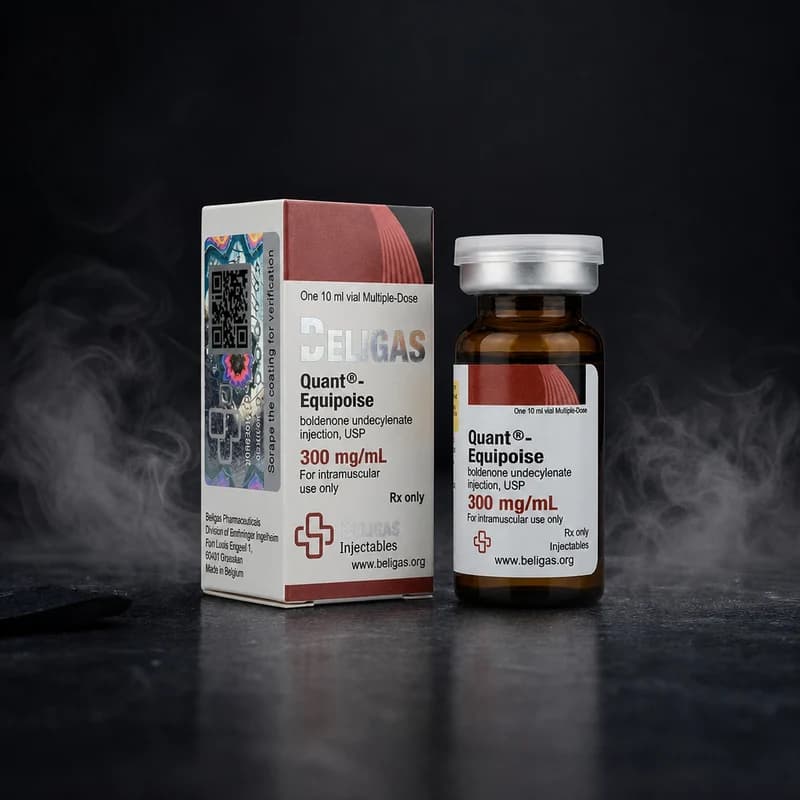
NordiBold U delivers boldenone undecylenate at 300 mg/ml as a precision injectable whose risk profile is shaped less by the compound alone and more by what surrounds it in a protocol. The most consequential errors in boldenone use are combinatorial: pairing boldenone with compounds that push the same physiological variables in the same direction simultaneously creates compounding risk that neither agent would generate in isolation.
Compounds That Compound Hematocrit Risk
Boldenone undecylenate stimulates renal erythropoietin output, raising red blood cell mass and hematocrit over the course of a cycle. Adding a second erythropoiesis-stimulating agent — such as EPO peptides, SARMs with documented EPO-pathway activity, or high-dose darbepoetin analogues — stacks these stimuli on a single physiological endpoint. Independent measurements from sports-medicine hematology literature place the clinically relevant hematocrit threshold for thromboembolic risk at 52% in males; dual-stimulation protocols can push values past this ceiling faster than monitoring intervals typically catch. Boldenone combined with EPO-pathway agents therefore represents one of the clearest unfavorable pairings in performance pharmacology.
Hepatic Load, Oral Co-Administration, and Cardiovascular Compounders
Boldenone undecylenate itself carries minimal hepatotoxicity as a non-17α-alkylated injectable. However, adding oral 17α-alkylated androgens — such as oxymetholone, stanozolol, or high-dose oxandrolone extended beyond eight weeks — introduces hepatocellular stress from a separate metabolic pathway. The combination does not produce additive hepatotoxicity from boldenone's side; it creates an asymmetric burden where the oral compound's cytotoxic metabolites accumulate against a backdrop of elevated hematocrit that simultaneously affects hepatic blood viscosity. Compared to stacking boldenone with injectable non-alkylated compounds like testosterone enanthate — widely considered a low-synergistic-risk baseline — the boldenone-plus-oral-alkylated configuration requires considerably more aggressive ALT/AST monitoring at two-week rather than four-week intervals.
Androgenic Surplus and Cardiovascular Load
NordiBold U produces a moderate androgenic signal on its own. Stacking it with two or more high-androgen compounds — for example, testosterone at a supraphysiological dose alongside trenbolone acetate — creates a total androgenic load that suppresses HDL cholesterol more aggressively than any single compound would. Published lipid-panel data from monitored cycle audits consistently identify three-androgen stacks containing boldenone as producing greater HDL suppression than two-compound equivalents at similar total weekly milligrams. NordiBold U's GMP-verified 300 mg/ml concentration, confirmed by HPLC chromatographic assay, makes precise weekly volume accounting straightforward — but dosing clarity cannot offset the pharmacological consequence of ignoring cumulative androgenic burden.

 High Concentration