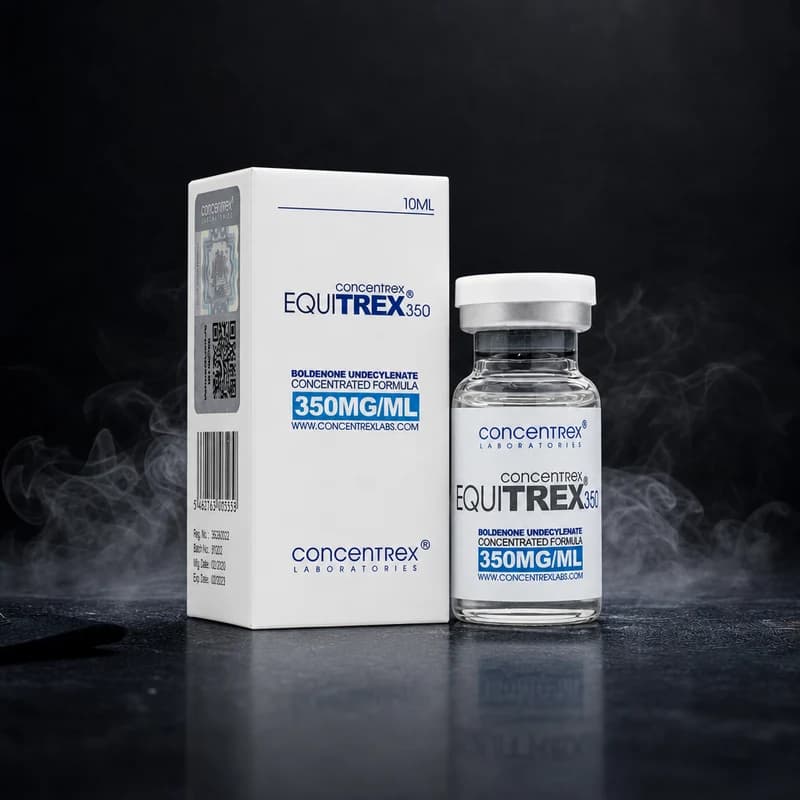
What Analytical Testing Actually Means for an Injectable Boldenone Product
Bolda-Med is a 300 mg/ml Boldenone Undecylenate injectable whose commercial identity rests on a documented quality chain rather than label claims alone. Reverse-phase HPLC quantifies the active pharmaceutical ingredient in the finished vial, not only in the raw API input, confirming that the declared 300 mg/ml concentration survives the entire manufacturing process. The LAL (Limulus Amebocyte Lysate) endotoxin test screens each batch for gram-negative bacterial contamination, the category of contamination most frequently linked to post-injection febrile reactions in published injectable-drug adverse-event literature.
HPLC vs. Certificate-of-Analysis-Only Approaches
Finished-product HPLC testing differs fundamentally from a Certificate of Analysis issued solely on raw-material intake data. A raw-material CoA confirms purity of the API before manufacturing begins; finished-product HPLC confirms that concentration accuracy is preserved through compounding, filtration, and filling. Compared to products that rely exclusively on supplier CoA documentation, a finished-product HPLC chromatogram provides direct evidence of what is inside the sealed vial the user handles. Bioniche Pharma publishes the HPLC chromatogram as a batch-traceable record, giving users a verifiable data point independent of manufacturer self-reporting.
LAL Endotoxin Testing and Injectable-Grade Sterility
The LAL assay detects lipopolysaccharide (LPS) endotoxins at the picogram-per-millilitre sensitivity level, a threshold defined in pharmacopoeial injectable-product standards including USP <85> and EP 2.6.14. A boldenone vial that passes LAL testing at pharmacopoeial limits carries a quantified sterility marker that visual inspection and simple sterility culture cannot replicate. Bioniche Pharma applies the LAL protocol to every Bolda-Med batch, and the recorded result forms part of the batch release dossier.
Why This Matters for a 10 ml Multi-Dose Vial Format
A 10 ml vial is accessed repeatedly across a cycle. Confirmed low endotoxin burden at batch release reduces the baseline contamination risk that repeated-draw protocols introduce over time. The 300 mg/ml concentration means analytical precision — not just volumetric convenience — is the relevant quality variable.

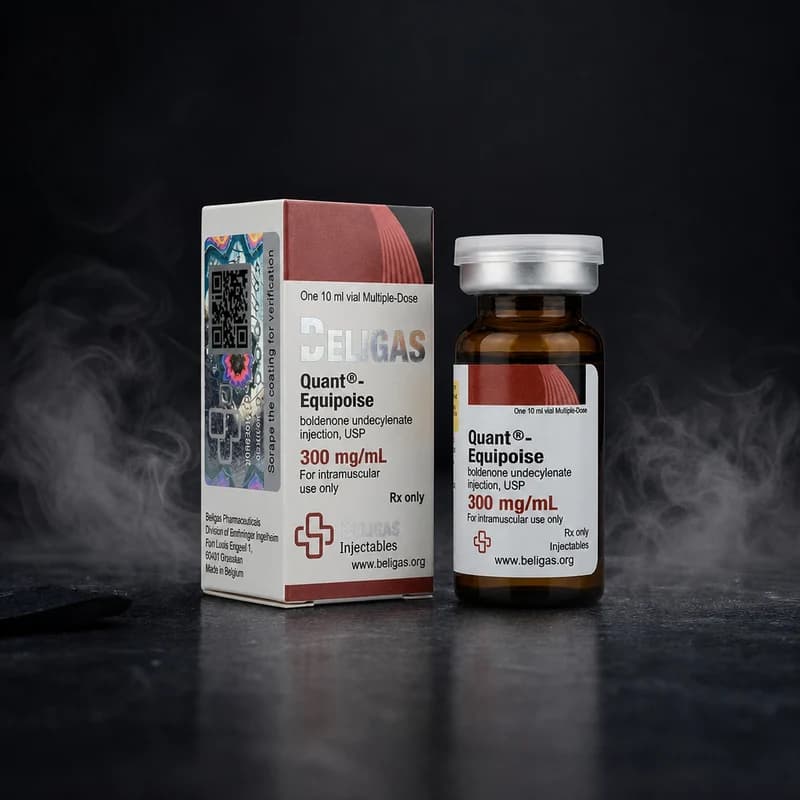 High Concentration