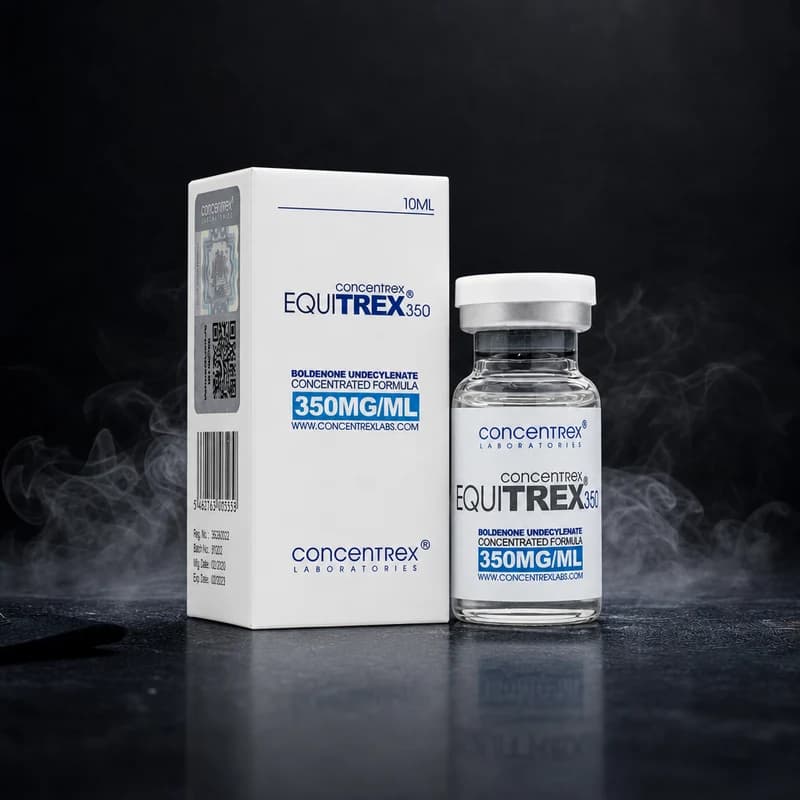
contraindications: Boldo 300 is contraindicated in individuals with diagnosed prostate or breast carcinoma, active polycythaemia, severe hepatic impairment, or uncontrolled cardiovascular disease. Women who are pregnant or may become pregnant must not use boldenone undecylenate due to virilisation risk to the foetus. Individuals with a known hypersensitivity to any component of the solution, including the carrier oil, should not use this product.
side_effects: Erythropoietic stimulation can elevate haematocrit progressively over a 12–16 week cycle; haematocrit above 52% (measured by Coulter counter) is a recognised thromboembolic risk factor. Androgenic effects — acne, accelerated scalp hair thinning in predisposed individuals, and mild voice changes in women — are dose-dependent. Although boldenone's aromatisation rate is lower than testosterone's, estrogenic effects including fluid retention and gynecomastia remain possible at higher doses. Combining boldenone with GH-axis peptides over extended periods may amplify IGF-1 to levels that warrant monitoring for soft-tissue changes.
monitoring: Obtain a full blood count (haematocrit, haemoglobin, red-cell count), lipid panel, liver enzymes (AST/ALT), and serum IGF-1 at baseline, mid-cycle (week 8), and end-of-cycle. Blood pressure should be self-monitored weekly given the combined haematopoietic stimulus from boldenone and any peptide-driven GH elevation. PSA testing is recommended for male users over 40.
pct: Due to the undecylenate ester's extended clearance profile, initiate SERM-based PCT (e.g. tamoxifen or clomiphene) approximately four weeks after the final Boldo 300 injection. Peptide secretagogues may be continued through PCT as they do not suppress the hypothalamic-pituitary-testicular axis. LH and FSH should be confirmed within reference range before peptide-only continuation is considered a recovery substitute for formal PCT.

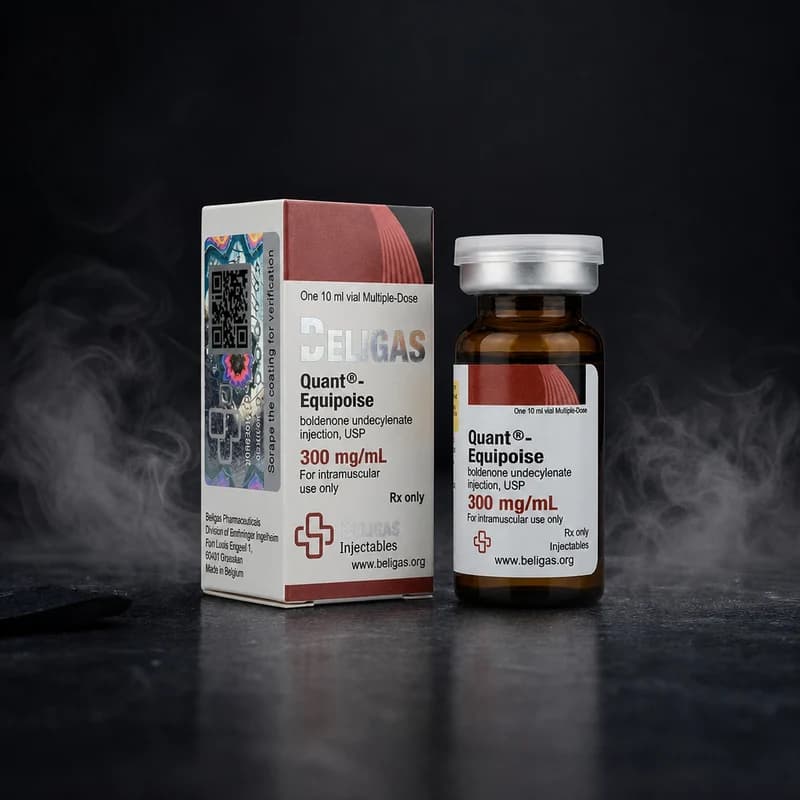 High Concentration