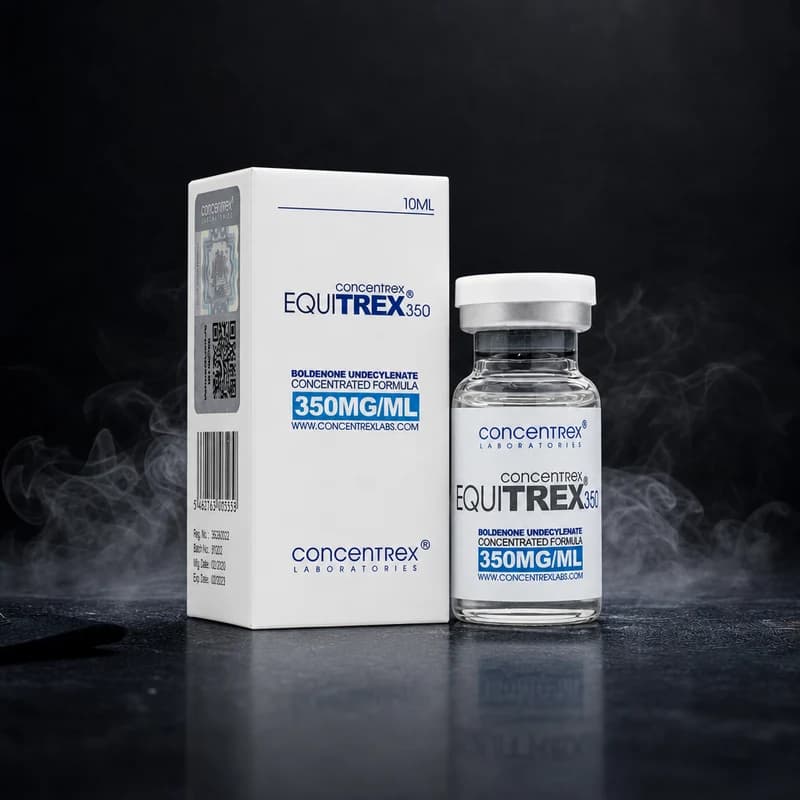
Boldenone Undecylenate and the Post-Cycle Recovery Window
Boldever delivers Boldenone Undecylenate 250 mg/ml as a long-acting injectable androgen whose prolonged plasma half-life — approximately 14 days — directly determines when Post-Cycle Therapy can effectively begin. Because ester hydrolysis continues releasing free boldenone for weeks after the final injection, the HPTA (hypothalamic-pituitary-testicular axis) remains partially suppressed well beyond the last administration date. Initiating SERM-based PCT too early, while circulating boldenone still exerts suppressive androgen-receptor signalling, reduces recovery efficacy and may waste clomiphene or tamoxifen. Clinical convention places PCT initiation at four to five weeks after the last Boldever injection, once plasma concentrations have declined sufficiently to allow gonadotrophin secretion to resume.
SERM Selection and the HPTA Re-Activation Sequence
SERMs — selective estrogen receptor modulators — restore endogenous testosterone production by blocking hypothalamic estrogen feedback and allowing LH and FSH to rise. Tamoxifen (Nolvadex) and clomiphene citrate (Clomid) are the two most clinically referenced agents; tamoxifen is generally preferred for its more favourable side-effect profile, while clomiphene provides stronger gonadotrophin stimulation at the cost of greater visual and mood-related adverse events. Compared to short-ester AAS cycles where SERMs can be introduced within days of the final dose, Boldever's ester length shifts the entire recovery timeline forward by roughly three to five weeks — a structural difference users must account for when planning cycle duration and PCT supply. A standard SERM block following a Boldever cycle runs six to eight weeks, longer than post-short-ester recovery programmes.
Monitoring Recovery: Labs and Benchmarks
Vermodje's HPLC-confirmed concentration at 250 mg/ml means cumulative androgenic load across a cycle can be calculated reliably — an important input for estimating suppression depth and therefore recovery duration. Full HPTA recovery is assessed by measuring serum LH, FSH, and total testosterone at the end of the SERM block; values returning to pre-cycle reference ranges confirm axis reinstatement. Haematocrit, elevated by boldenone's erythropoietic activity during the cycle, typically normalises within six to ten weeks of cessation without pharmacological intervention. Blood lipid panels — HDL and LDL — warrant re-assessment at the end of PCT, as androgen-mediated HDL suppression resolves gradually and confirms overall cardiovascular recovery alongside hormonal endpoints.
Supporting Agents During PCT
Aromatase inhibitors (AIs) carry limited utility during PCT for a boldenone cycle because oestrogen is required to stimulate LH release — excessive AI use during recovery can paradoxically delay HPTA reinstatement. Vitamin D, zinc, and adequate caloric intake support endogenous testosterone synthesis during the recovery window without pharmacological interference.

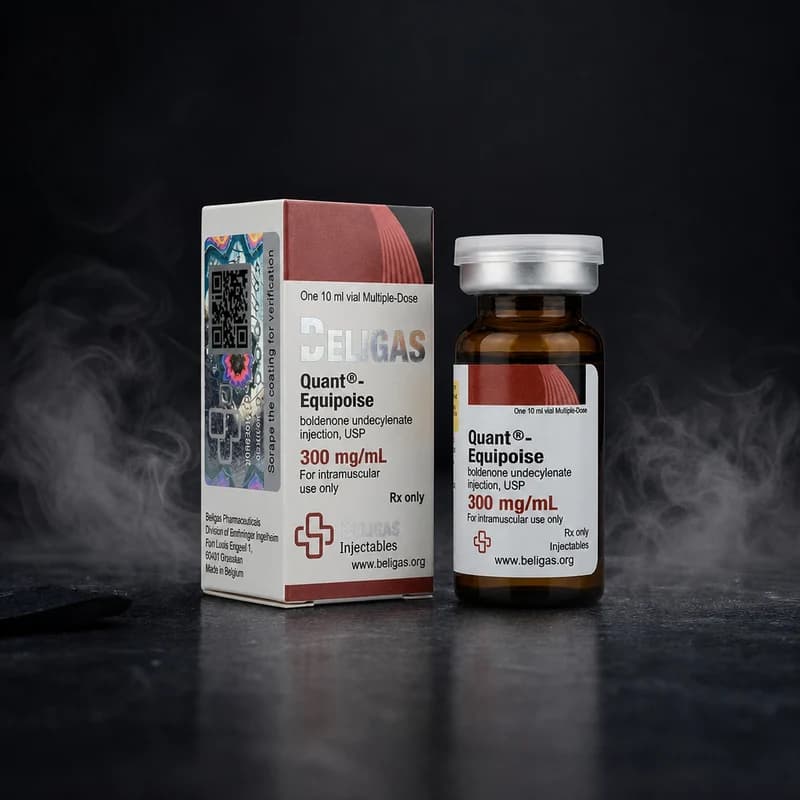 High Concentration