Methandienone is a synthetic anabolic-androgenic steroid derived from testosterone, structurally modified at the 17α-methyl position and with an additional 1,2-double bond that reduces androgenic potency while substantially preserving anabolic activity.
Mechanism & Pharmacology of Methandienone
Methandienone binds the androgen receptor with a relative binding affinity approximately 94% that of dihydrotestosterone when assessed in isolated receptor assays, though its tissue-specific activity profile differs considerably due to its reduced susceptibility to 5α-reduction. Unlike testosterone, methandienone is not efficiently converted to a more potent androgen by 5α-reductase; instead, its primary metabolic fate involves hepatic oxidation and conjugation, with a notable fraction undergoing conversion to the oestrogen 17α-methyloestradiol via aromatase. This oestrogenic conversion distinguishes it pharmacologically from non-aromatising oral anabolics and underpins both its pronounced nitrogen retention and some of its water-retention characteristics.
The oral bioavailability of methandienone is high relative to non-alkylated steroids — typically cited in the range of 72–82% — a consequence of the 17α-methyl group that protects the compound from extensive first-pass hepatic degradation. Plasma half-life is approximately 3–6 hours following oral administration, which means that compound detection windows extend considerably beyond the elimination of the parent molecule, primarily because multiple hydroxylated urinary metabolites — among them 6β-hydroxymethandienone — persist for several days. This short plasma half-life does, however, require split daily dosing to maintain stable blood concentrations throughout the day.
At the cellular level, the androgen receptor complex formed by methandienone translocates to the nucleus and modulates gene transcription, upregulating proteins involved in myofibrillar synthesis and downregulating catabolic pathways. Specifically, methandienone suppresses glucocorticoid receptor activity, reducing cortisol-mediated muscle protein breakdown during periods of caloric surplus. Nitrogen retention studies conducted as early as the 1960s and replicated in subsequent decades consistently show positive nitrogen balance within days of initiation, correlating with the rapid glycogen supercompensation and intramuscular water accumulation for which the compound is well known.
Application Context & User Groups
Methandienone has one of the longest documented histories of any anabolic steroid in both clinical and athletic settings. It was first synthesised in 1955 and introduced to the US market under the brand name Dianabol, subsequently proliferating across dozens of generic and branded formulations worldwide — a heritage reflected in the breadth of the current catalogue, which spans 28 distinct manufacturers.
In bodybuilding contexts, methandienone is predominantly used during phases of muscle accumulation rather than pre-competition preparation. Its pronounced effect on body weight, intramuscular glycogen storage, and nitrogen balance makes it a practical tool when caloric intake is elevated and the primary goal is contractile-tissue hypertrophy. Experienced users frequently employ it at the opening of a longer injectable cycle — a practice often described as a "kickstart" — capitalising on the compound's fast onset (meaningful effects perceptible within the first 7–14 days) to establish anabolic conditions while slower-acting esters reach steady-state plasma concentrations.
Users approaching methandienone for the first time typically work within lower dosage bands, where smaller tablets such as 5mg and 10mg variants offer precise incremental control. Those with a more established training background and prior experience with androgenic compounds may use higher daily totals, making 20mg tablets a more practical denomination for reducing daily tablet count. The 50mg tablet format, while less commonly used by newer users, exists primarily to accommodate more advanced protocols where individual dosing events are substantial.
Methandienone is not a compound suited to cutting phases or lean-tissue preservation cycles, given its inherent aromatisation and the resulting subcutaneous water accumulation. Its utility is firmly in hypertrophy, strength accumulation, and the physiological recovery benefits associated with improved nitrogen balance and reduced catabolic signalling.
Regarding hepatotoxicity: as a 17α-alkylated compound, methandienone exerts dose- and duration-dependent stress on hepatocyte function, and responsible use involves limiting cycle length and monitoring hepatic markers. This is a factual pharmacological property of the compound class, not an individualised medical recommendation.
Range & Selection by Concentration and Pack Size
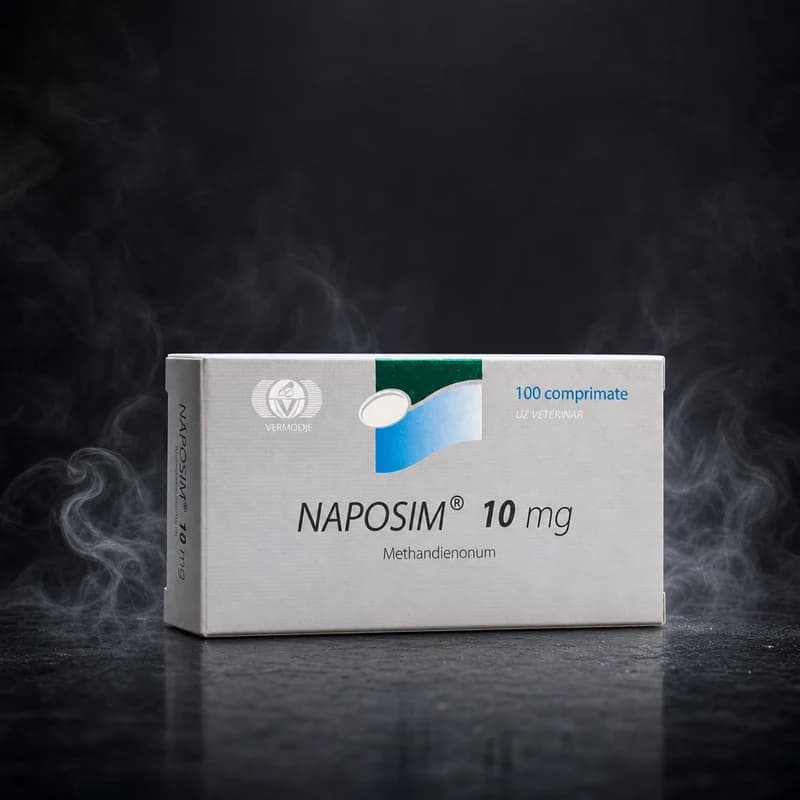
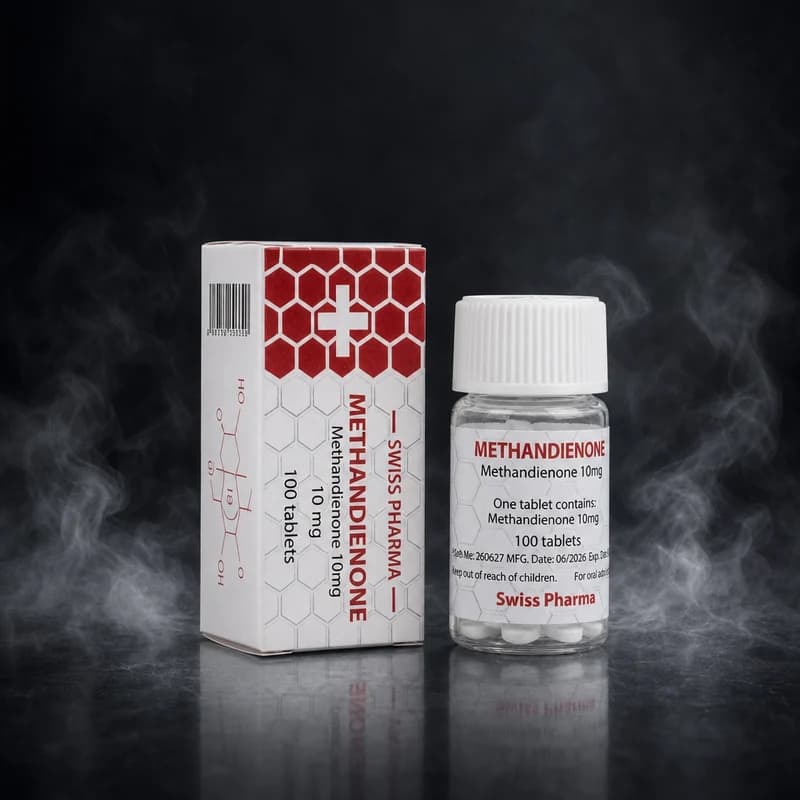
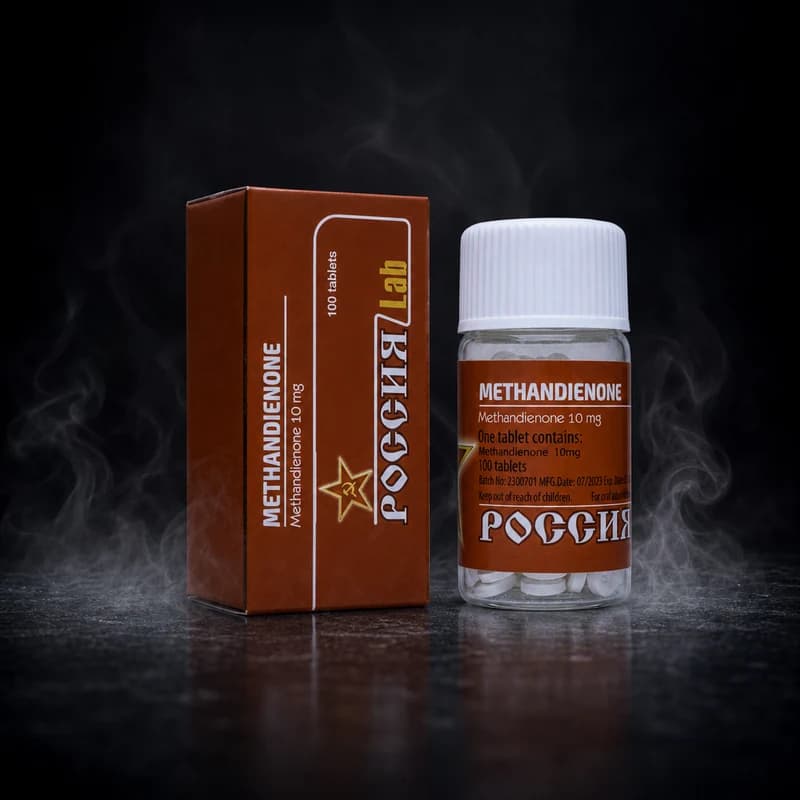
The methandienone catalogue available here encompasses four concentration tiers — 5mg, 10mg, 20mg, and 50mg per tablet — across pack sizes ranging from 20 to 1000 tablets, providing options suited to virtually any dosing structure or commitment level.
5mg tier — entry-level precision: The 5mg format is exemplified by Anabol Tablets 5mg/tab 1000 Tablets by British Dispensary, one of the most historically recognised presentations in the category. The 1000-tablet pack at this denomination is well-suited to users who wish to titrate gradually, adjusting by single-tablet increments without committing to larger dosing events. This tier is also practical for those following more conservative daily totals across extended periods.
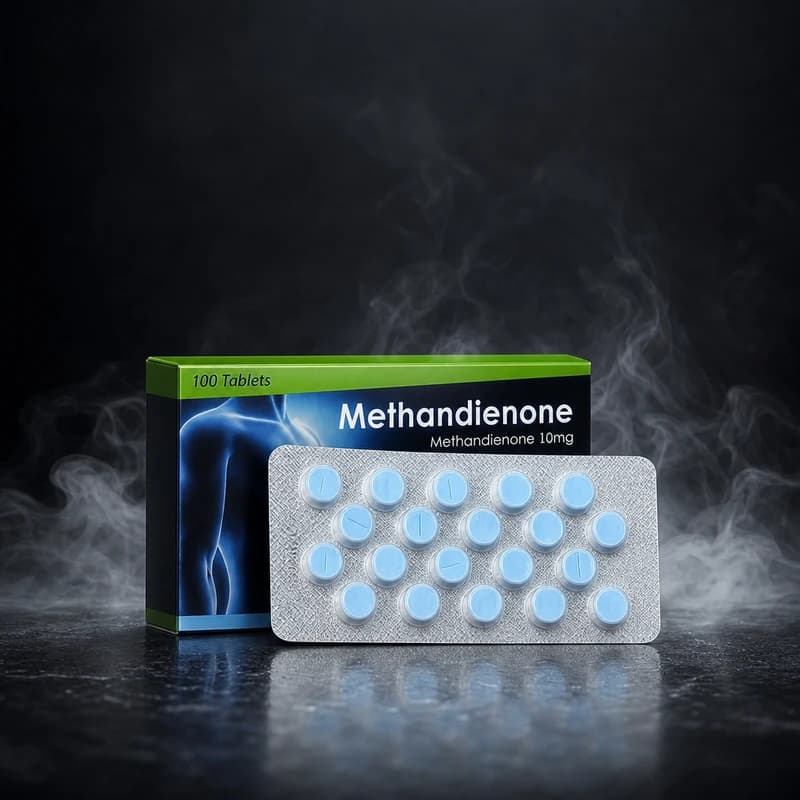
10mg tier — the most versatile denomination: The 10mg concentration represents the broadest selection in this group. Danabol 10mg/tab 100 Tablets by Balkan Pharmaceuticals and Danabol 10mg/tab 100 Tablets by Body Research are both longstanding products in this format, with the 100-tablet pack providing a standard cycle's supply when split doses are distributed across morning and midday. AnaTrex 10mg/tab 100 Tablets by Concentrex Labs offers another option within this tier for those with brand preferences. The 10mg tablet allows flexible twice- or three-times-daily dosing to maintain more consistent plasma concentrations given the compound's short half-life.
20mg tier — efficiency for intermediate users: The 20mg format substantially reduces daily tablet count. Pro-Dynabol 20mg/tab 50 Tablets by Beligas Pharmaceuticals and Dianabol 20 20mg/tab 100 Tablets by Dragon-Pharma represent this tier well, with the Dragon-Pharma 100-tablet pack offering a fuller cycle supply in a compact format. This concentration is most practical for users already familiar with their individual response to methandienone.
50mg tier — high-denomination formats: The 50mg tablet format is intended for advanced protocols where each dosing event is substantial. Fewer products in the catalogue occupy this tier, and it is best approached by those with clear familiarity with the compound's response profile, as dose accuracy becomes more critical with larger per-tablet denominations. Splitting is possible but not ideal for precise titration.
Frequently Asked Questions
What is the difference between 10mg and 20mg methandienone tablets for daily dosing?
The difference is primarily practical convenience. A 10mg tablet allows finer titration — you can adjust your daily total by 10mg increments across multiple doses — while a 20mg tablet reduces tablet count for users already confident in their protocol. Pharmacologically the compound is identical; only the arithmetic of splitting doses changes.
Why does methandienone require split dosing throughout the day?
Methandienone has a plasma half-life of approximately 3–6 hours. A single morning dose would produce a sharp peak followed by a rapid decline, leading to unstable blood concentrations. Dividing the daily total into two or three administrations — typically morning and midday — maintains more consistent androgen receptor occupancy and is the standard approach documented in both clinical literature and practical use.
How do the 1000-tablet bulk packs compare to 50- or 100-tablet packs in terms of value and use case?
Bulk packs such as the British Dispensary 1000-tablet format are economical per-tablet but represent a significant upfront commitment. They suit those purchasing for extended personal use or group supply. Smaller 50- or 100-tablet packs are better suited to users running a single defined cycle, offering less storage overhead and a natural endpoint for reassessment before committing to further use.


 Fast Acting