Methenolone acetate is a synthetic, orally active derivative of dihydrotestosterone (DHT) characterised by a 1-methylene modification that confers meaningful anabolic activity alongside a markedly reduced androgenic profile relative to testosterone.
Mechanism & Pharmacology of Methenolone Acetate
Methenolone acetate exerts its primary effects by binding the androgen receptor (AR) with moderate affinity, activating receptor-mediated transcription pathways that upregulate nitrogen retention, protein synthesis, and red blood cell production. The 1-methylene group on the steroid nucleus resists reduction by 5-alpha reductase, meaning methenolone does not convert to a more potent androgen in peripheral tissue — a pharmacological property that underpins its comparatively low androgenic risk. Equally significant is the complete absence of aromatase conversion: methenolone acetate does not interact with aromatase enzyme (CYP19A1), so circulating oestradiol levels remain unaffected by administration, eliminating oestrogen-dependent side effects such as gynaecomastia and water retention.
The acetate ester attached at C17-beta grants the oral form its bioavailability. Unlike most 17-alpha alkylated oral anabolic steroids, methenolone acetate achieves first-pass survival through a different structural mechanism — the 1-methylene double bond partially protects the molecule from hepatic oxidation — making it notably less hepatotoxic than compounds such as oxymetholone or stanozolol. Oral bioavailability is estimated at approximately 40–50 %, which is modest but clinically adequate at appropriate dosing ranges. The plasma half-life following oral administration sits between 4 and 6 hours, necessitating divided daily doses to maintain steady plasma concentrations and consistent AR saturation.
From an endocrine standpoint, methenolone acetate suppresses the hypothalamic–pituitary–gonadal (HPG) axis through negative feedback on luteinising hormone (LH) and follicle-stimulating hormone (FSH) release, though the degree of suppression is substantially lower than that observed with testosterone esters or nandrolone. Binding affinity studies place methenolone's AR affinity at roughly 57 % relative to the synthetic reference androgen R1881 (methyltrienolone), situating it well above anavar (oxandrolone) on certain assay models while remaining below trenbolone. This receptor-affinity profile translates into consistent but measured anabolic output — lean, quality tissue accrual rather than rapid volumisation.
Application Context & User Groups
Methenolone acetate occupies a well-defined niche in both competitive and recreational bodybuilding contexts. Its primary application is lean-mass preservation during caloric restriction phases, commonly referred to in training culture as "cutting" or contest preparation. Because the compound produces no water retention and does not drive aromatase activity, any muscular gains or tissue preserved during its use remain visible, dry, and well-defined — qualities valued in physique sports judged under bright stage lighting.
In clinical pharmacology history, methenolone was investigated for muscle-wasting conditions, anaemia of aplastic origin, and paediatric growth disorders, reflecting genuine anabolic utility at conservative doses. These applications informed the dosing frameworks later adopted in performance contexts, where male users typically work with daily totals in the 50–150 mg range and female athletes — for whom the compound's low androgenicity makes it among the more appropriate choices — commonly use 25–50 mg daily with significantly reduced virilisation risk compared with other orals.
Intermediate and advanced users frequently deploy oral methenolone acetate as a bridge compound between injectable cycles or as the centrepiece of a "mild oral only" approach sought by individuals prioritising health markers and post-cycle recovery speed over maximal performance output. Its compatibility with a wide range of ancillary compounds — selective oestrogen receptor modulators (SERMs), growth hormone secretagogues, and peptide hormones — means it integrates cleanly into sophisticated stacks without introducing unpredictable endocrine interactions.
Athletes subject to performance testing historically associated primobolan preparations with a relatively shorter detection window compared with long-ester injectables, though modern immunoassay and LCMS/MS techniques have substantially extended detection capability, a consideration any competitive athlete must acknowledge.
Range & Selection by Concentration and Pack Size
The methenolone acetate category within this group spans two concentration tiers — 10 mg per tablet and 25 mg per tablet — across pack sizes of 40, 50, and 100 tablets, giving users meaningful flexibility in both daily dosing precision and overall cycle economics.
10 mg per tablet options suit users seeking granular dose control, particularly female athletes calibrating their intake in 10 mg increments to minimise androgenic exposure. A 40-tablet pack at 10 mg represents a practical short-course supply, allowing a 40 mg daily dose across a ten-day introductory protocol or lower daily use over a longer window.
25 mg per tablet is by far the more prevalent concentration across this group and caters to the majority of male users whose daily requirements naturally align with multiples of 25 mg. Several distinct manufacturer expressions are available at this tier:
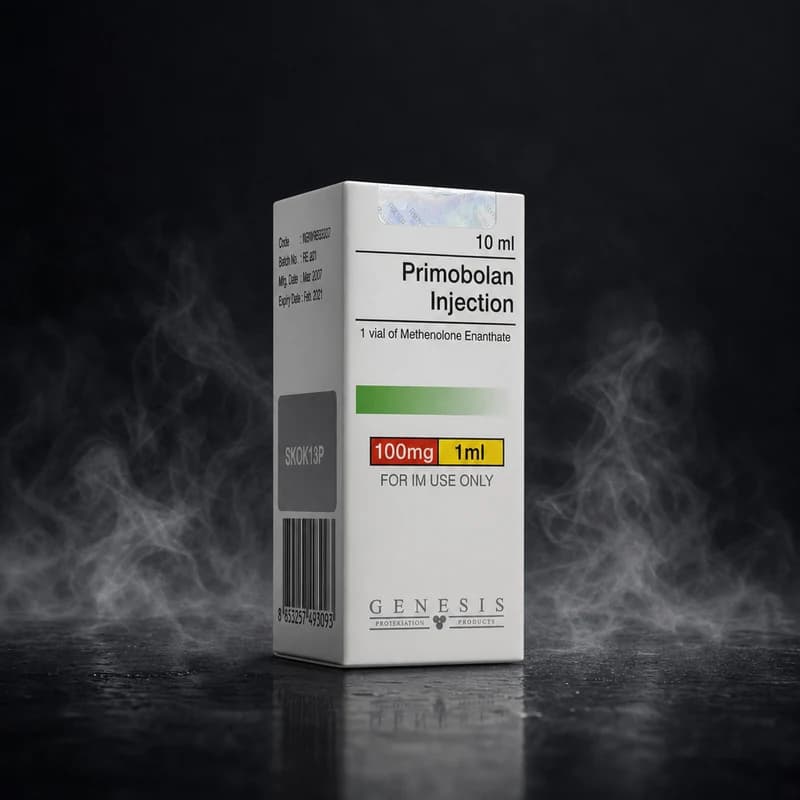
Primobolan Tablets 25mg by Genesis is a long-established product from one of the pharmaceutical landscape's more recognisable generic manufacturers, valued for formulation consistency across its broader steroid catalogue.
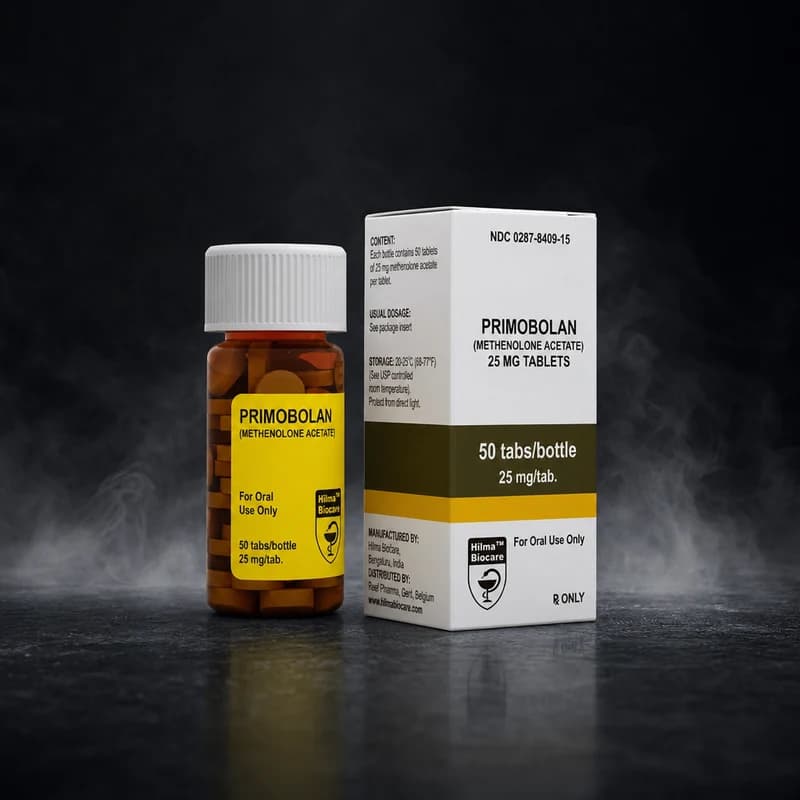
Primobolan 25mg by Hilma Biocare is produced by a European-oriented lab known for clean, minimally excipient-laden tablet formulation — a choice frequently cited by users who prioritise ingredient transparency.
Primoxyl 25mg by Kalpa Pharmaceuticals offers the compound under Kalpa's trademark "xyl" naming convention within a 50-tablet blister, aligning with Kalpa's wider catalogue standardisation for dosing reference.
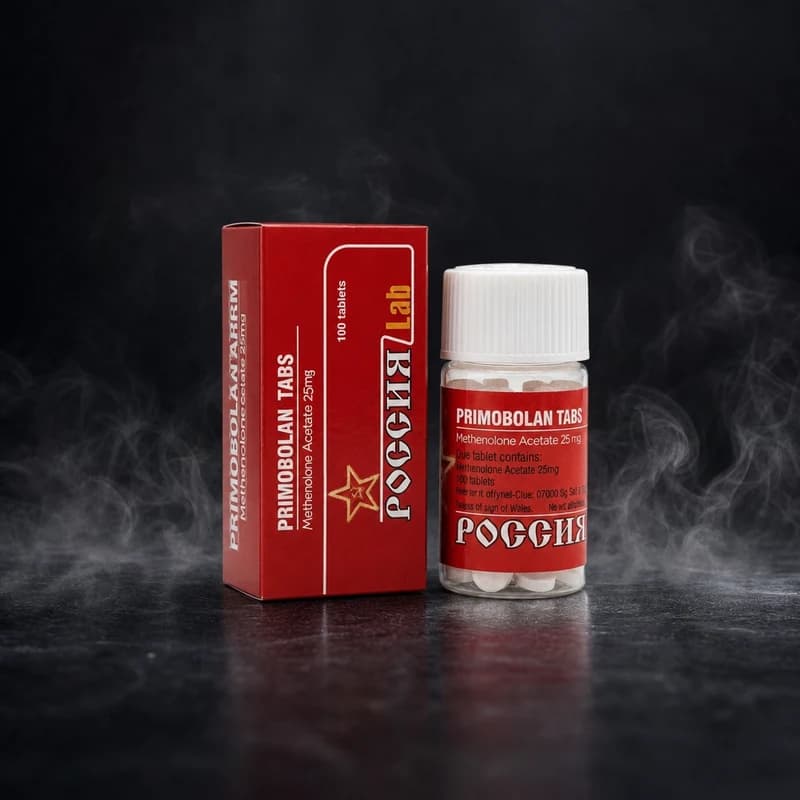
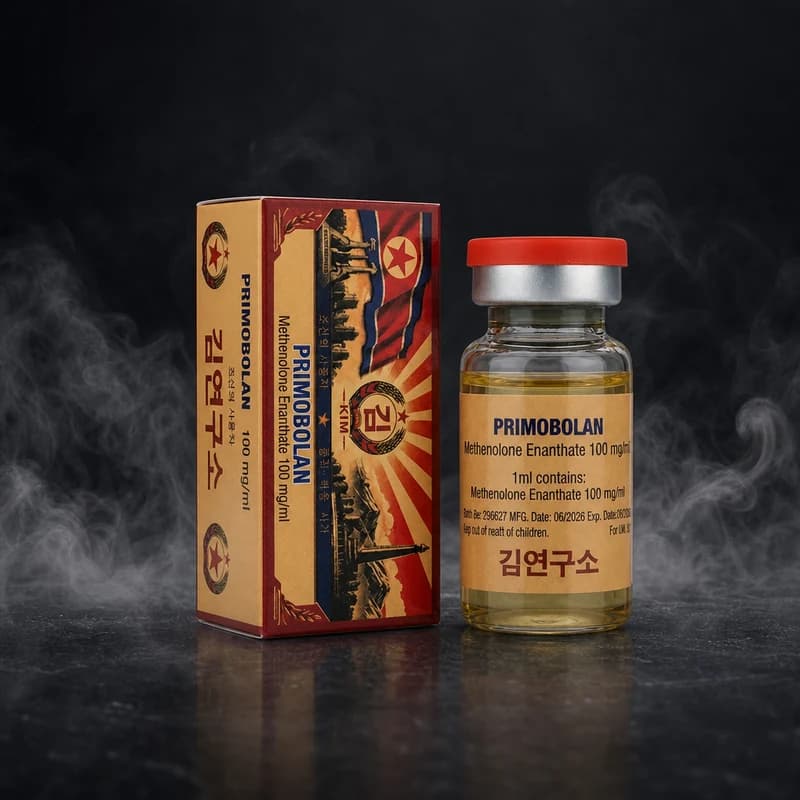
Primobolan 25mg (100 tabs) by Kim Pharma and the identically configured Primobolan 25mg (100 tabs) by Rossiaz Lab provide 100-tablet packs — the largest unit size in this group — making them economically efficient for users running extended eight- to twelve-week oral methenolone protocols without requiring mid-cycle reorders.
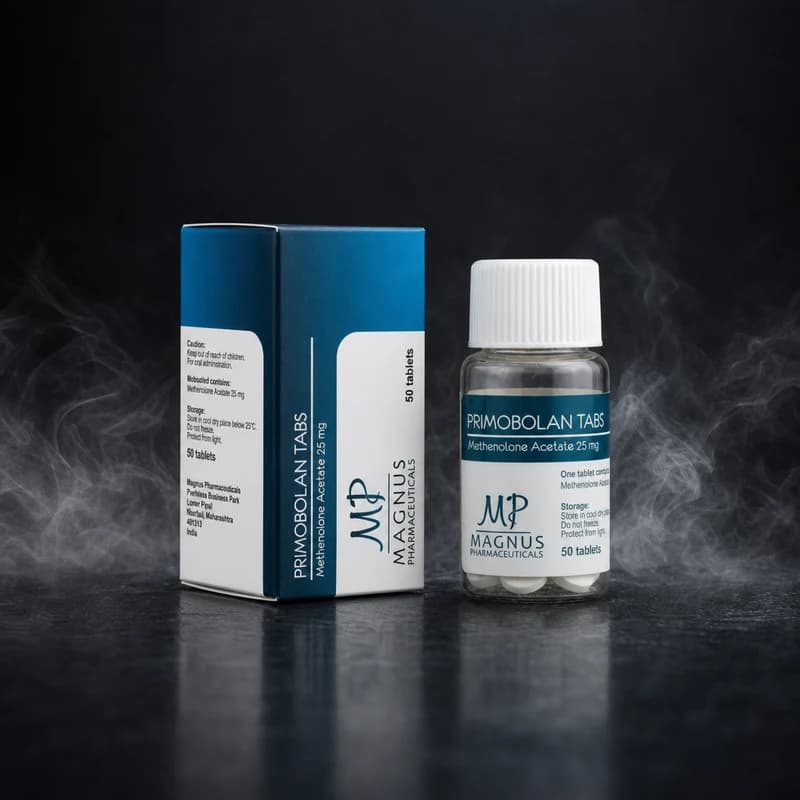
Primobolan Tabs 25mg by Magnus Pharmaceuticals rounds out the selection with Magnus's characteristically precise tableting process, packaged in the standard 50-tablet format that suits users planning shorter-cycle deployments.
When selecting between pack sizes, users running 75 mg per day will consume a 50-tablet pack of 25 mg tabs in approximately sixteen days, making the 100-tablet packs from Kim Pharma or Rossiaz Lab substantially more practical for cycle lengths exceeding five weeks. Those using 25–50 mg daily — a range common for female athletes or mild-cycle male users — will find 50-tablet packs sufficient for a complete eight-week run.
Frequently Asked Questions
What is the difference between methenolone acetate and methenolone enanthate?
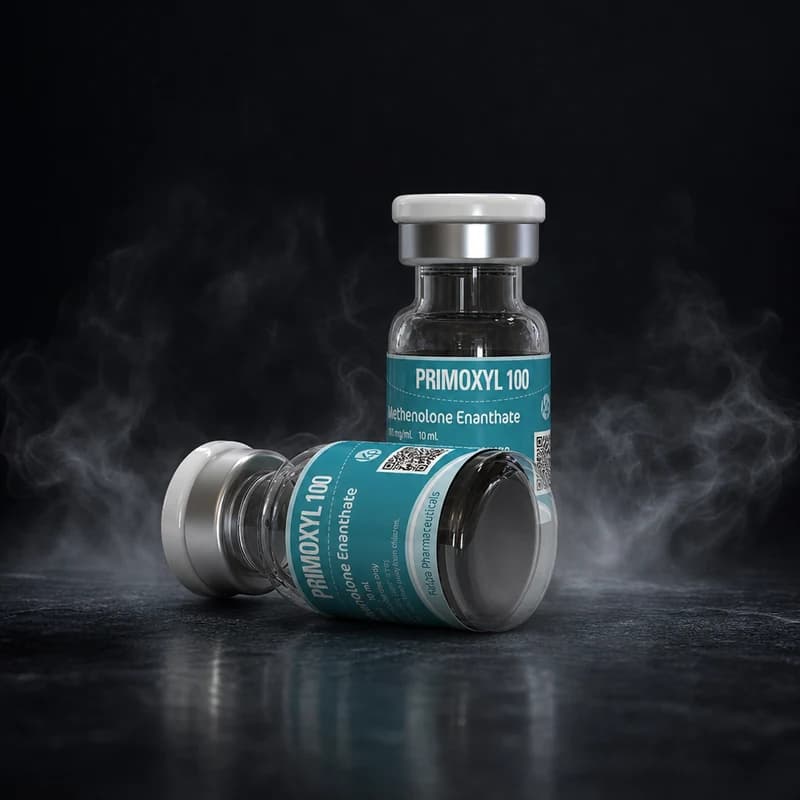
Methenolone acetate is the oral form of methenolone, carrying a short acetate ester that allows tablet administration with a plasma half-life of roughly 4–6 hours, requiring daily divided dosing. Methenolone enanthate is the injectable version with a longer enanthate ester, extending its half-life to approximately 10 days and permitting twice-weekly injections. Both share identical anabolic–androgenic pharmacology; the difference is purely route of administration and release kinetics.
Is methenolone acetate suitable for female athletes?
Methenolone acetate is considered one of the more female-compatible anabolic compounds due to its low androgenicity and absence of aromatase activity. Female athletes commonly use 25–50 mg daily, which provides lean-tissue preservation without the elevated virilisation risk associated with compounds like stanozolol or oxandrolone at comparable doses. Individual response varies, and conservative dose titration from a low starting point is the standard approach.
How many tablets are typically required for a full methenolone acetate cycle?
At a common male dosage of 75 mg per day over an eight-week cycle, approximately 420 tablets of 25 mg each would be needed — meaning roughly four 100-tablet packs or eight 50-tablet packs. For a 50 mg daily female protocol over the same duration, approximately 280 tablets are required. Selecting larger pack sizes from manufacturers such as Kim Pharma or Rossiaz Lab reduces per-tablet cost and reorder frequency.


 Lab Tested