Mechanism & Pharmacology of Methyldrostanolone
Methyldrostanolone is a synthetic, 17-alpha-alkylated derivative of drostanolone (2α-methyl-dihydrotestosterone) that delivers exceptionally concentrated anabolic activity through an oral route without converting to oestrogen. Structurally, methyldrostanolone carries a methyl group at the C-17 position, which confers resistance to first-pass hepatic metabolism and makes it orally bioavailable — estimated oral bioavailability sits in the range of 60–70%, substantially higher than many comparable oral androgens that lack this structural modification.
Methyldrostanolone binds the androgen receptor with an affinity reported at approximately 4.4 times that of testosterone, producing a pronounced anabolic signal through classical genomic pathways. Once the compound occupies the androgen receptor, the receptor-ligand complex translocates to the nucleus and upregulates genes associated with nitrogen retention, protein synthesis acceleration, and red blood cell precursor stimulation. Unlike testosterone-derived steroids, methyldrostanolone does not serve as a substrate for aromatase, meaning oestradiol elevation and the associated water retention simply do not occur with this compound. Similarly, the 2α-methyl modification inhibits interaction with 5α-reductase, so conversion to more potent androgenic metabolites is effectively blocked, which partially moderates androgenic side-effect risk.
The plasma half-life of methyldrostanolone following oral ingestion is approximately 6–8 hours, making twice-daily dosing the pharmacologically rational choice for sustaining stable blood concentrations. Peak plasma levels are typically reached within 1.5–3 hours post-ingestion. Because it is a 17-alpha-alkylated compound, hepatic stress is a clinically meaningful concern; liver enzyme markers (ALT/AST) are measurably elevated during cycles, and this constrains recommended cycle lengths to 4–6 weeks. SHBG (sex hormone-binding globulin) suppression is another notable pharmacological property: methyldrostanolone reduces circulating SHBG, thereby increasing the fraction of free, biologically active hormones in the bloodstream — including any co-administered compounds in a stack.
Application Context & User Groups
Given its unique pharmacological profile, methyldrostanolone attracts a specific subset of experienced bodybuilders and physique athletes who prioritise hard, dry muscular gains and enhanced strength without the cosmetic and hormonal complications of oestrogen elevation. The compound is rarely considered appropriate for beginners; its hepatotoxic load, potent receptor binding, and pronounced effect on endogenous testosterone suppression make it a tool reserved for those who have already completed multiple compound cycles and have an established understanding of cycle support protocols.
Competitive bodybuilders commonly employ methyldrostanolone during contest-preparation phases, where controlling subcutaneous water retention is critical. The compound contributes meaningfully to the "dry and dense" muscular appearance that judges reward in classic physique and bodybuilding divisions. Strength athletes — particularly those competing in tested or untested powerlifting — have also used methyldrostanolone in short pre-meet peaking cycles, leveraging its capacity to substantially increase intra-cycle strength figures without a corresponding rise in bodyweight from water.
A notable secondary application involves using methyldrostanolone as a "kick-start" at the beginning of an injectable cycle. Because injectable compounds such as testosterone enanthate or nandrolone decanoate require several weeks to reach fully effective blood concentrations, a short oral bridge with methyldrostanolone can maintain anabolic momentum during that induction window. The SHBG-lowering effect during this period also amplifies the activity of any testosterone already circulating.
Practical cycle support during a methyldrostanolone run should include a quality TUDCA or UDCA supplement (doses of 500–1000 mg/day are commonly referenced in practitioner literature), regular liver-function monitoring, and a comprehensive post-cycle therapy (PCT) protocol initiated promptly at cycle end — typically centred on selective oestrogen receptor modulators. Blood pressure monitoring is also warranted, as methyldrostanolone can raise haematocrit and influence cardiovascular markers even over short cycle durations. This compound is not intended for use by individuals under 21, and responsible sourcing from reputable manufacturers is an essential baseline expectation.
Range & Selection by Concentration and Pack Size
The methyldrostanolone category on this platform is standardised at a single concentration tier — 10 mg per tablet, in 100-tablet packs — which reflects the compound's established effective dosing range and the practical realities of short, controlled cycles. This standardisation simplifies selection and makes cross-manufacturer comparison straightforward for experienced users evaluating manufacturing quality and tablet excipient profiles.
At 10 mg per tablet, a typical daily dose of 10–20 mg translates to 1–2 tablets per day, meaning a 100-tablet pack covers a full 5–10 week supply at the lower end, or a complete 4–5 week cycle at more aggressive dosing protocols. This pack size is therefore well-matched to the recommended cycle window of 4–6 weeks without requiring users to purchase multiple packs unnecessarily.
Four manufacturers are represented in this category, each producing 10 mg methyldrostanolone tablets:
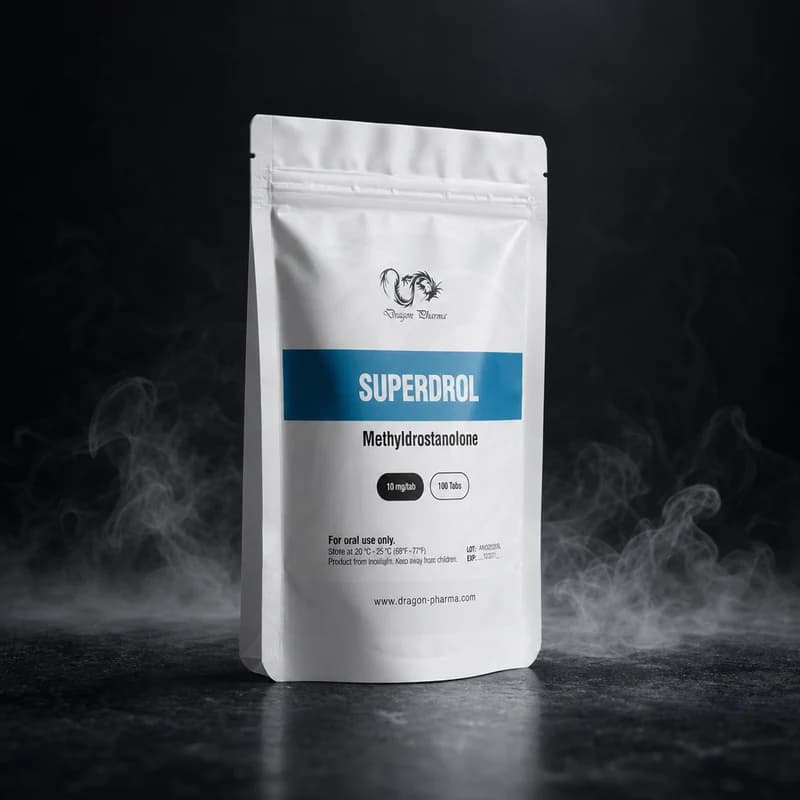
Superdrol 10 mg by Dragon Pharma is the category's most recognisable branded presentation. Dragon Pharma markets this product under the "Superdrol" trade name — a historically significant label in the methyldrostanolone space — and the product is popular with users who prefer established branding alongside their active ingredient.
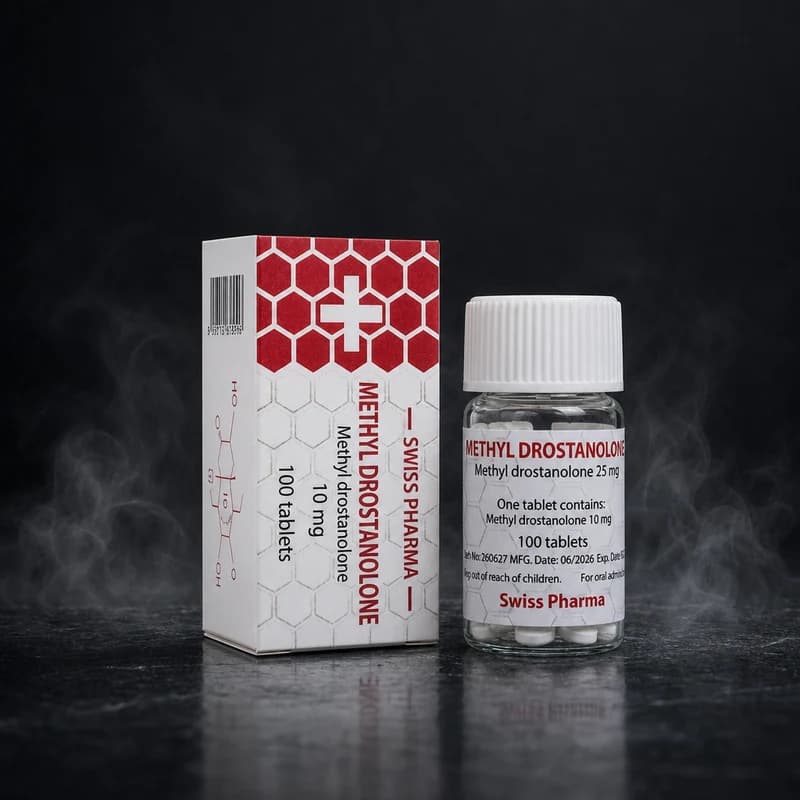
Methyl Drostanolone 10 mg by Swiss Pharma appeals to users who prioritise European laboratory presentation standards. Swiss Pharma's clean formulation philosophy and consistent tablet quality make this variant a reliable choice for those with prior experience of the brand's other oral compound lines.
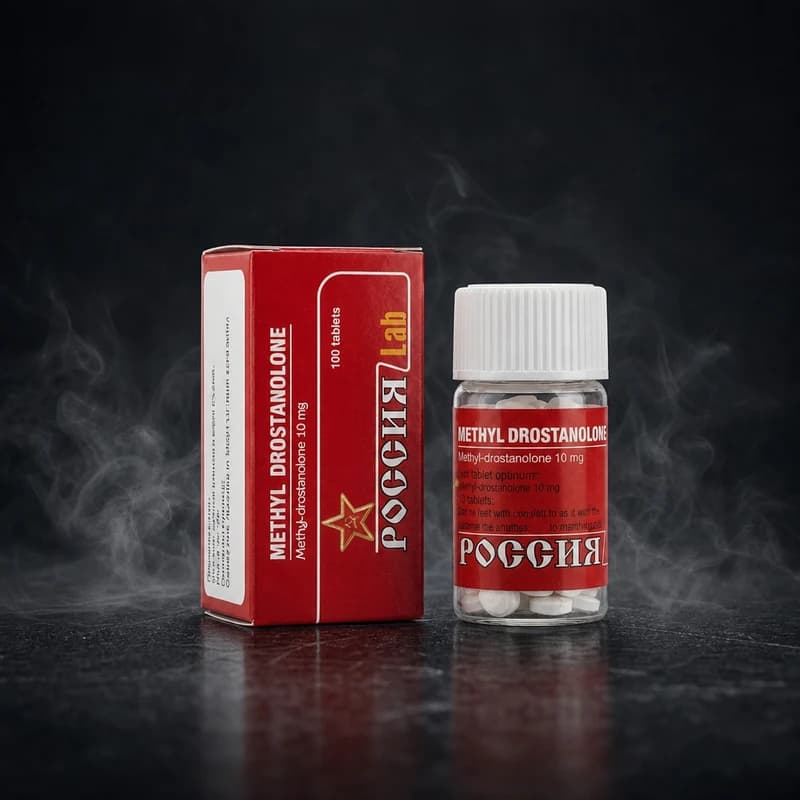
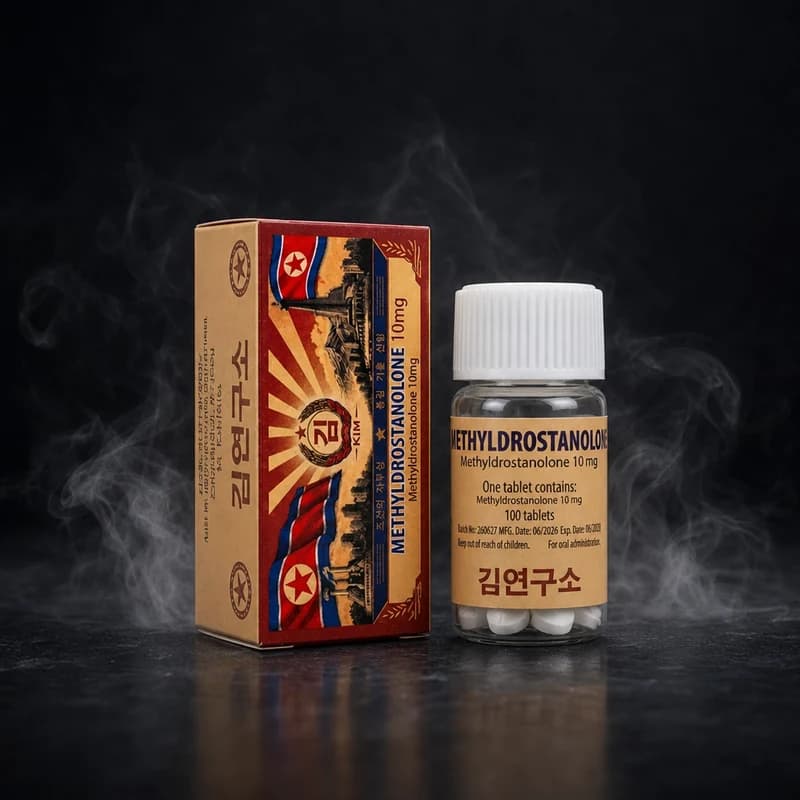
Methyl Drostanolone 10 mg by Kim Pharma and Methyl Drostanolone 10 mg by Rossiaz Lab provide additional optionality within the same concentration tier, catering to users who have established preferences for these manufacturers through prior purchases in other compound categories.
For users new to methyldrostanolone but experienced with other orals, any of the four variants at this 10 mg concentration represents a sensible entry point, allowing gradual dose titration before considering any escalation within a single cycle. Multi-manufacturer availability also provides practical continuity of supply — a pragmatic consideration when running time-sensitive contest-preparation cycles.
Frequently Asked Questions
What makes methyldrostanolone different from other oral anabolic steroids?
Methyldrostanolone does not aromatise to oestrogen, meaning it produces no oestrogen-related water retention or gynecomastia risk through that pathway. Its androgen receptor binding affinity is approximately 4.4 times that of testosterone. These two properties combined — high anabolic potency plus a dry hormonal environment — distinguish it clearly from compounds such as methandrostenolone or oxymetholone.
How long should a methyldrostanolone cycle run, and why?
Most experienced users cap methyldrostanolone cycles at 4–6 weeks due to its 17-alpha-alkylated structure, which places a measurable load on the liver. Running beyond six weeks without a break significantly elevates the risk of sustained ALT/AST elevation. Supporting the liver with TUDCA or UDCA and monitoring blood markers throughout the cycle are standard responsible-use practices.
Can methyldrostanolone be stacked with injectable compounds?
Yes, and this is one of its most practical applications. Because methyldrostanolone suppresses SHBG, it increases the free fraction of co-administered compounds, effectively amplifying their activity. It is frequently used as an oral kick-start during the induction phase of slower-acting injectable testosterone or nandrolone cycles, bridging the gap before injectable blood concentrations stabilise.


 Lab Tested