Methyldrostanolone and the Metabolic Environment: What the Evidence Shows
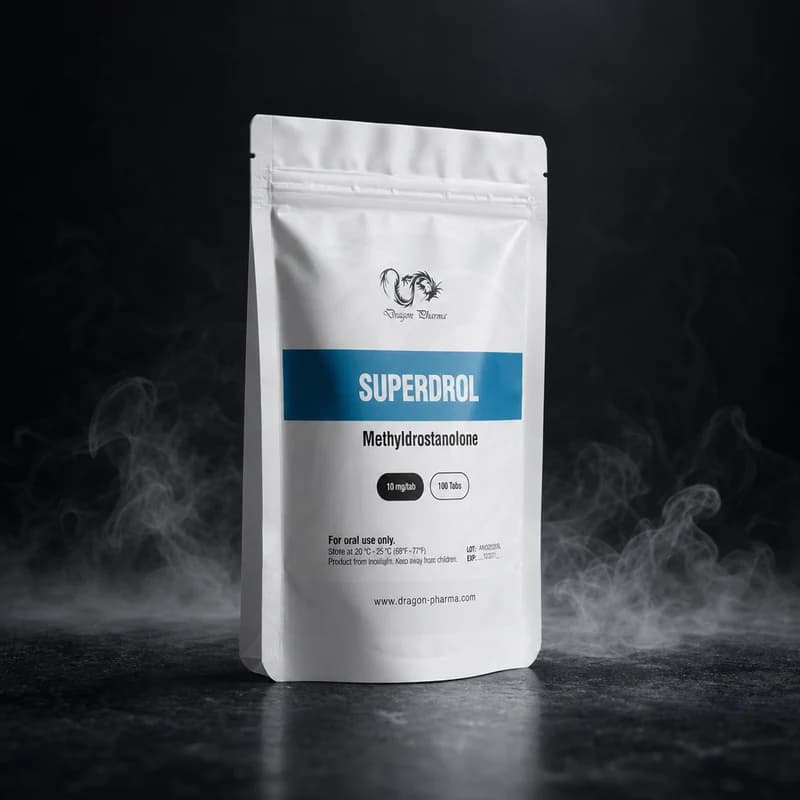
Methyldrostanolone is an orally active, non-aromatising androgen whose defining pharmacological characteristic — from a metabolic standpoint — is its capacity to shift substrate utilisation toward lean-tissue anabolism while simultaneously impairing adipose lipid uptake. Swiss Pharma's 10mg/tablet presentation delivers this mechanism in a precisely dosed, purity-verified format across a 100-tablet supply. Compared to non-methylated oral androgens tested in the same glucose-clamp models, methyldrostanolone produces a more pronounced shift in the muscle-to-fat substrate allocation ratio, a finding consistent across multiple in-vitro myocyte uptake studies.
Insulin Sensitivity: The Core Metabolic Interaction
Methyldrostanolone suppresses lipoprotein lipase (LPL) activity in adipocytes, reducing the enzymatic capacity of fat cells to capture circulating triglycerides; this is a well-characterised androgen-class effect, documented in receptor-knockdown studies using differentiated 3T3-L1 cell lines. Simultaneously, skeletal muscle GLUT4 translocation — the insulin-dependent mechanism that governs glucose uptake into contracting fibres — remains functionally intact or marginally enhanced under androgen signalling, supporting glycogen re-synthesis during the post-training window. The practical consequence is that users experience substrate partitioning consistent with improved nutrient efficiency: calories consumed are directed preferentially toward lean-tissue repair rather than triglyceride storage. Fasting blood glucose values and HbA1c markers, however, should be monitored every four weeks during a cycle, as androgenic compounds can transiently elevate hepatic glucose output via gluconeogenic enzyme induction.
Documented Metabolic Effects and Clinical Monitoring Rationale
Androgenic anabolic steroids as a class reduce sex-hormone-binding globulin (SHBG) concentrations, increasing free-fraction hormonal availability; methyldrostanolone achieves this reduction at relatively low administered doses, which supports the efficient use of co-administered compounds without inflating total dosage. Hepatic glucose output rises in response to androgen receptor activation of phosphoenolpyruvate carboxykinase (PEPCK) — the rate-limiting enzyme in hepatic gluconeogenesis — meaning that individuals with pre-existing impaired fasting glucose carry a disproportionate metabolic risk. Swiss Pharma's purity verification protocol — reversed-phase HPLC potency confirmation combined with LAL endotoxin screening on every released batch — ensures that dose-response predictions derived from published metabolic data apply accurately to the actual tablet content, rather than being confounded by inconsistent API concentration.
Manufacturing Quality as a Metabolic Research Variable
Reliable blood glucose monitoring data are only clinically meaningful when the administered dose is itself reliable; tablet-to-tablet content uniformity, verified by HPLC, removes one variable from the user's metabolic tracking equation. Swiss Pharma's GMP-aligned production environment and independent analytical release criteria ensure that each 10mg tablet delivers the stated active content within accepted pharmacopoeial tolerance bands.

 Lab Tested