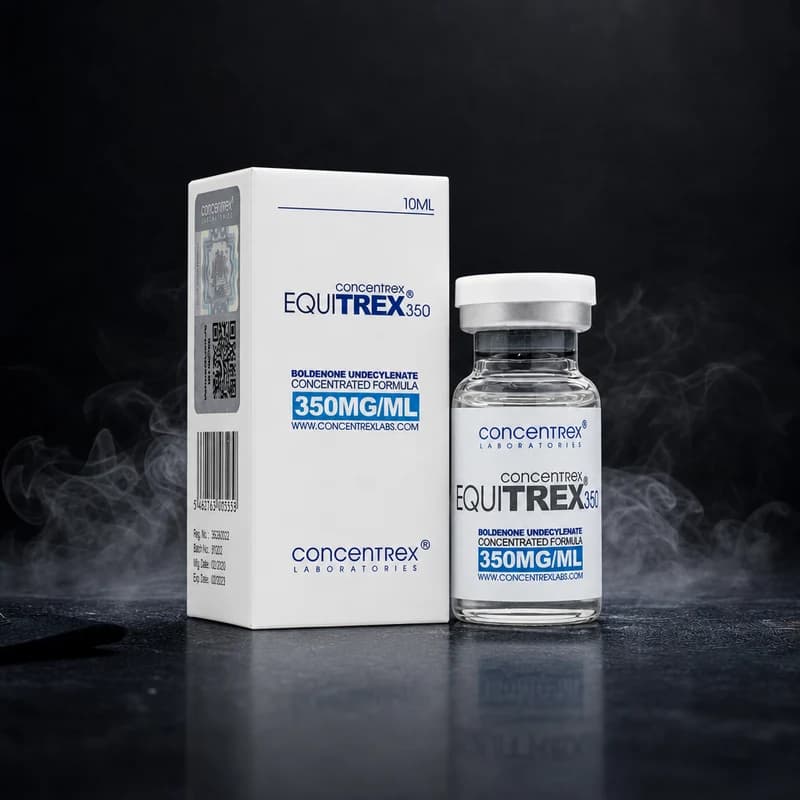
Methandienone as an Androgen-Axis Partner in Peptide-Augmented Protocols
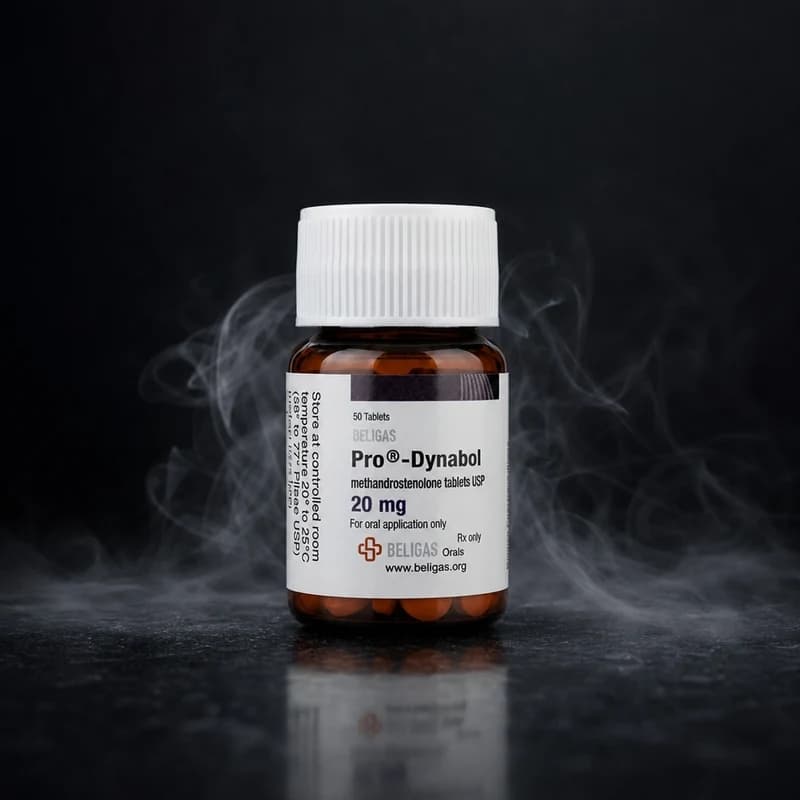
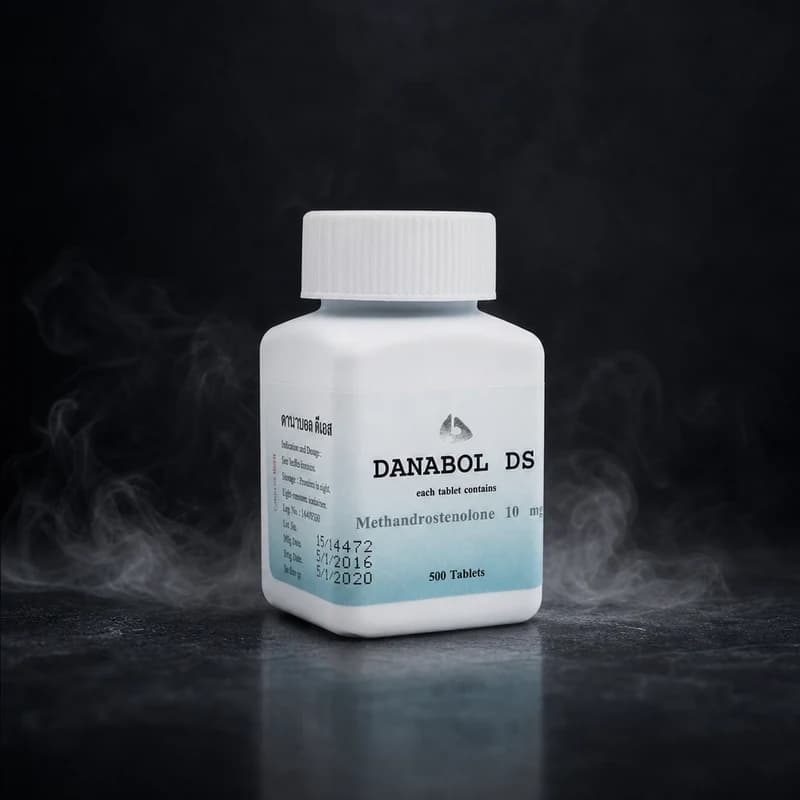
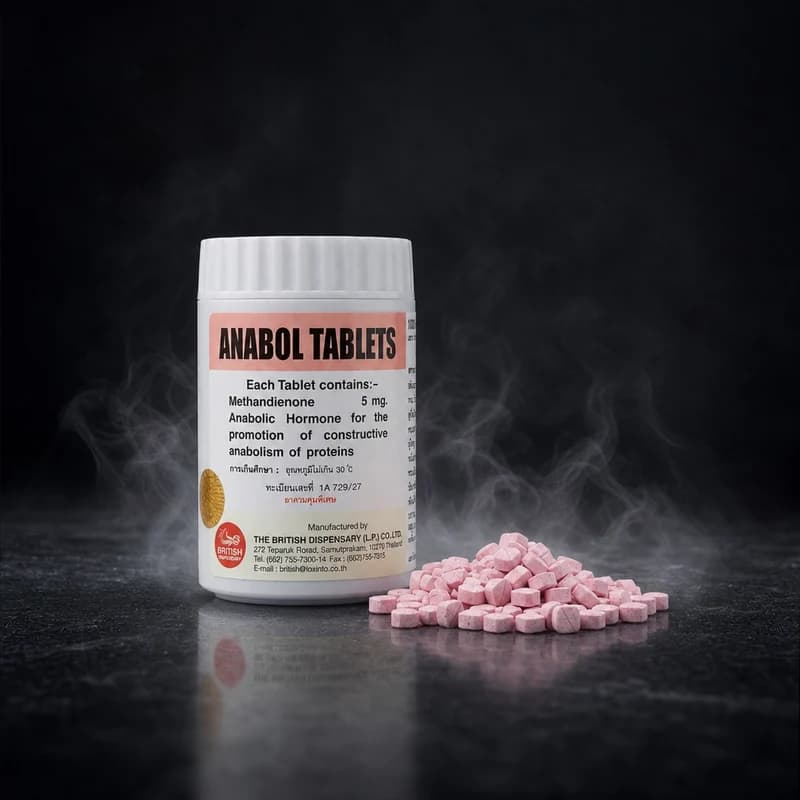
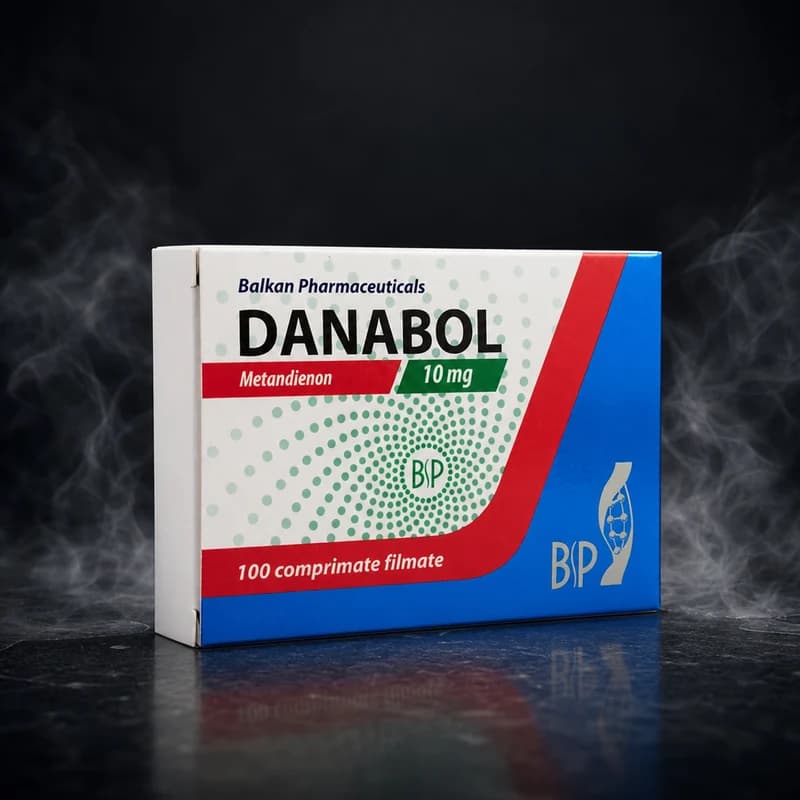
Methandienone 10mg by Magnus Pharmaceuticals is an orally administered androgen whose primary pharmacological role, in the context of peptide co-administration, is to supply rapid androgen-receptor-mediated nitrogen retention while concurrent peptides drive parallel anabolic cascades through entirely separate receptor families. This mechanistic orthogonality — not mere additive dosing — is what distinguishes a Methandienone-plus-peptide protocol from single-pathway approaches. Peptides such as CJC-1295 and Ipamorelin stimulate pituitary GH release via GHRH and ghrelin receptors respectively, whereas Methandienone drives anabolic gene transcription through the androgen receptor's ligand-binding domain — two systems that can be active simultaneously without direct competition.
How Peptide Classes Interact with Methandienone's Activity Window
Growth-hormone-releasing peptides (GHRPs) and growth-hormone-releasing hormone analogues (GHRHs) require four to eight weeks of consistent administration before measurable IGF-1 elevation is documented in endocrinology research using serum RIA and ELISA assays. Methandienone initiates positive nitrogen balance within 24–72 hours of the first administration, as confirmed by urinary nitrogen-balance methodology in anabolic pharmacology literature. This kinetic asymmetry makes the two compound classes temporally complementary: Methandienone covers the early anabolic window while peptide-driven IGF-1 elevation builds toward its functional plateau. BPC-157, a synthetic pentadecapeptide studied for its connective-tissue effects via nitric-oxide-pathway modulation, represents a third category — tissue-support rather than direct muscle-protein synthesis — which pairs with Methandienone's anabolic phase without duplicating its mechanism.
Hepatic Monitoring in Combined Peptide and Oral Androgen Cycles
Compared to co-administration with other 17α-alkylated orals — which compounds hepatic enzyme load through the same oxidative pathway — peptide co-administration does not add direct hepatotoxic burden, since peptides are degraded proteolytically rather than through hepatic CYP enzymes. However, Magnus Pharmaceuticals' independent third-party release testing, which includes ALT/AST-relevant endotoxin screening via LAL test and HPLC API quantification, supports practitioners who monitor liver biomarkers throughout any Methandienone-inclusive cycle. Serum ALT and AST should be assessed at baseline, at week three, and at cycle end; values exceeding two times the upper reference range warrant dose reduction regardless of the peptide protocol running concurrently.
Practical Dosing Window
A standard integration positions Methandienone at 15–25 mg per day for weeks one through five, timed to overlap the first four weeks of a peptide protocol during which the peptide has not yet achieved its full secretagogue effect. This overlap captures the two mechanistically distinct anabolic stimuli during the same calendar window without requiring the user to stagger start dates.

 Lab Tested