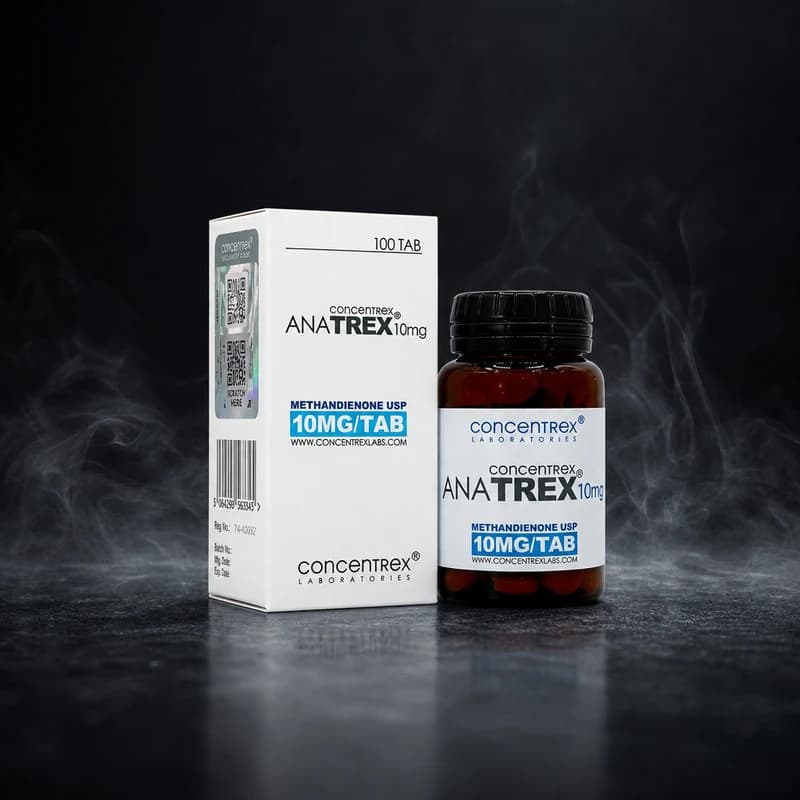
Methandienone and the Metabolic Environment: What the Evidence Shows
British Dispensary Anabol Tablets contain Methandienone — a 17α-alkylated oral anabolic steroid whose influence on carbohydrate metabolism and insulin sensitivity is among the most clinically documented yet underappreciated aspects of its pharmacology. While strength and nitrogen retention dominate popular discussion, research published in endocrinology literature has consistently identified measurable alterations in glucose homeostasis during Methandienone administration, and understanding these shifts is essential for structuring a safe, productive cycle.
Methandienone increases skeletal-muscle glycogen synthase activity, which accelerates the conversion of circulating glucose into stored glycogen within muscle tissue. This effect mirrors — but is mechanistically distinct from — insulin's own glucose-disposal pathway: insulin operates primarily through IRS-1/PI3K/Akt signalling, whereas androgen-mediated glycogen accumulation involves direct transcriptional upregulation of glycogen synthase. Compared to endogenous testosterone at equimolar concentrations, exogenous Methandienone produces a proportionally larger shift in muscle glycogen content per unit of androgenic stimulus, largely because its 2-methyl structural feature reduces SHBG affinity and increases the free-hormone fraction available to muscle tissue.
Blood Glucose Dynamics During a Cycle
Fasting blood glucose can fall modestly — studies using glucose-tolerance testing in anabolic-steroid research cohorts have recorded decrements of approximately 8–12 % from baseline during short-term oral androgen administration. Methandienone drives this by enhancing peripheral glucose uptake independent of pancreatic insulin secretion, effectively increasing insulin sensitivity in the short term at skeletal-muscle level. Paradoxically, hepatic insulin sensitivity may trend in the opposite direction owing to 17α-alkylation-related effects on liver metabolism, making concurrent blood-glucose monitoring with a calibrated glucometer a meaningful safety practice rather than an optional precaution.
Nutrient Partitioning and Substrate Utilisation
Anabolic-androgenic activity redirects dietary macronutrients toward lean tissue synthesis; British Dispensary's 5 mg tablet format supports this by allowing users to modulate their daily intake in single-tablet steps rather than committing to coarse dose jumps. Adequate dietary carbohydrate provision amplifies the glycogen-loading effect documented in metabolic studies; a carbohydrate intake of approximately 4–6 g per kilogram of bodyweight per day is frequently cited in sports-nutrition research as the threshold at which glycogen supercompensation becomes practically relevant. The 1,000-tablet pack, with its generous unit count, reflects a logistical design choice suited to users running structured multi-week metabolic protocols.

 Lab Tested