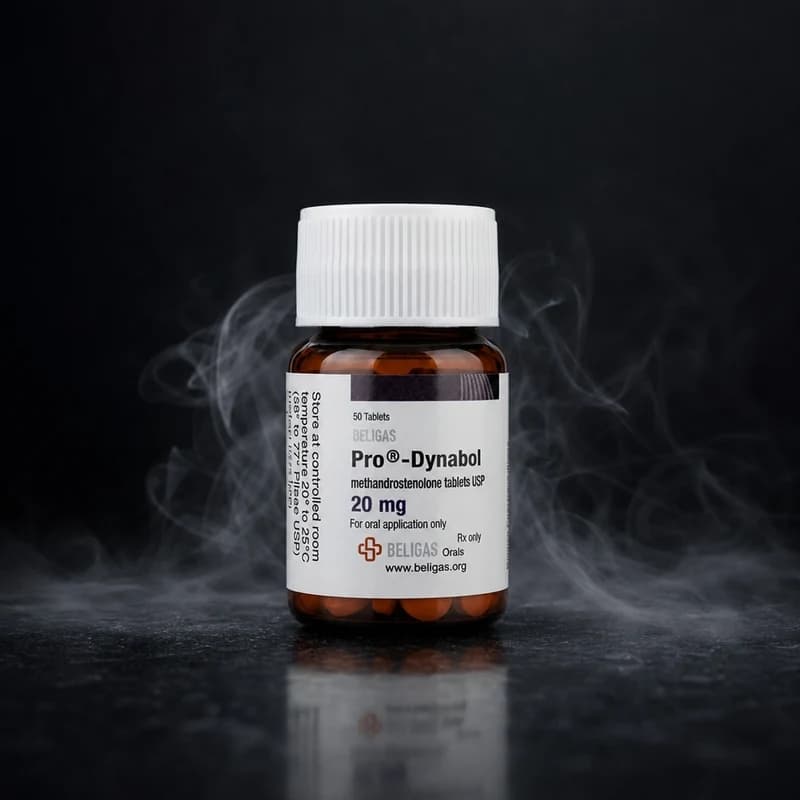
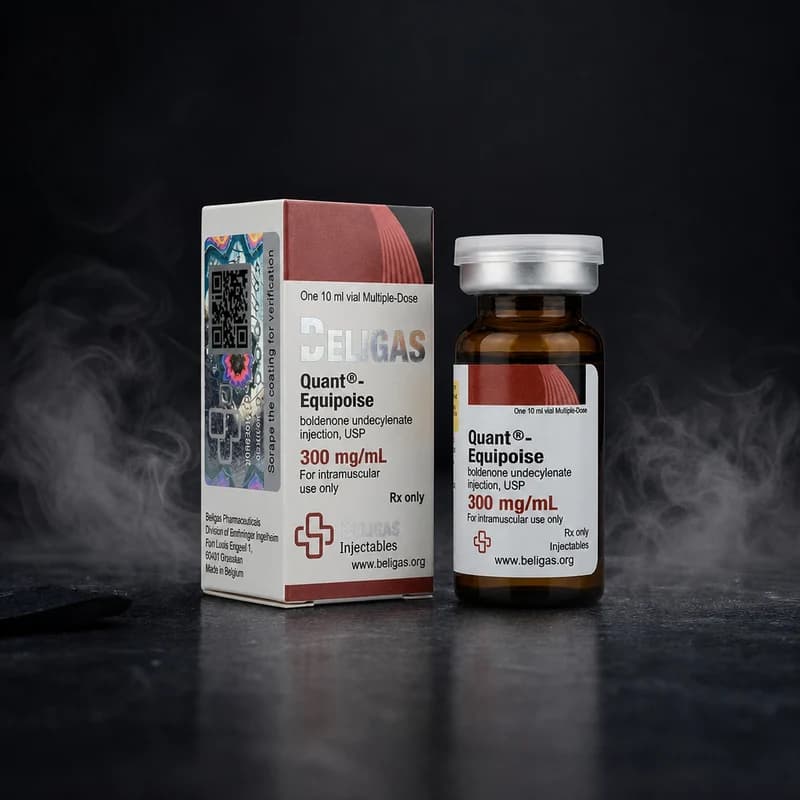
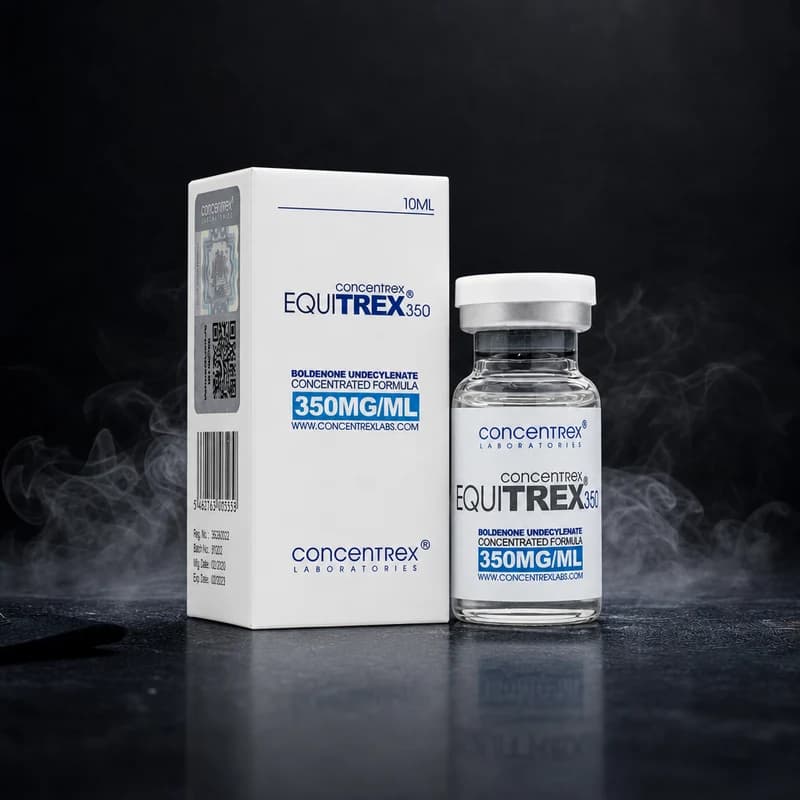
Contraindications: Methandienone is contraindicated in individuals with pre-existing hepatic impairment, cholestatic liver disease, or elevated baseline transaminases (ALT/AST above 1.5× upper reference range). Concurrent use with prescription hepatotoxins — including azole antifungals and HMG-CoA reductase inhibitors (statins) — is a pharmacological contraindication due to compounding CYP-pathway stress. Alcohol consumption during any 17α-alkylated oral cycle is a recognized contraindication amplifier per WHO liver-disease guidance.
Side Effects: Hepatotoxicity is the primary organ-level risk, presenting as elevated ALT and AST; severity scales with dose, duration, and combination load. Estrogenic effects — fluid retention, gynecomastia — intensify when Methandienone is paired with other aromatizing compounds without estrogen management. LDL elevation and HDL suppression are consistent adverse lipid effects; endogenous testosterone suppression occurs via hypothalamic–pituitary axis feedback and deepens with concurrent gonadotropin-suppressing agents.
Monitoring: Liver-function panel (ALT, AST, GGT, bilirubin) at baseline, week two, and week four. Lipid panel at baseline and cycle end. Blood pressure monitoring twice weekly during active use. Any ALT elevation exceeding two times the upper reference range triggers dose reduction; exceeding three times triggers immediate discontinuation.
PCT: Post-cycle therapy timing is governed by the clearance half-life of the longest-acting injectable in the stack, not by Methandienone's own rapid clearance. SERM-based protocols using Tamoxifen or Clomiphene are standard; no second alkylated oral should be introduced during PCT, as this would re-impose hepatic and suppressive burden during the recovery window.

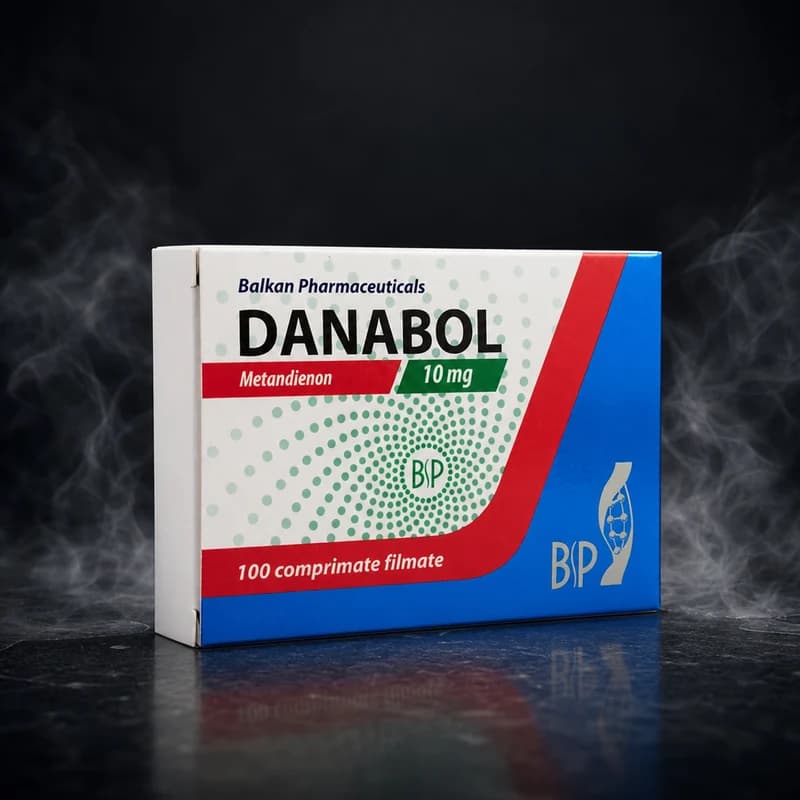 Lab Tested