Methandienone Side Effects: A Clinically Structured Overview
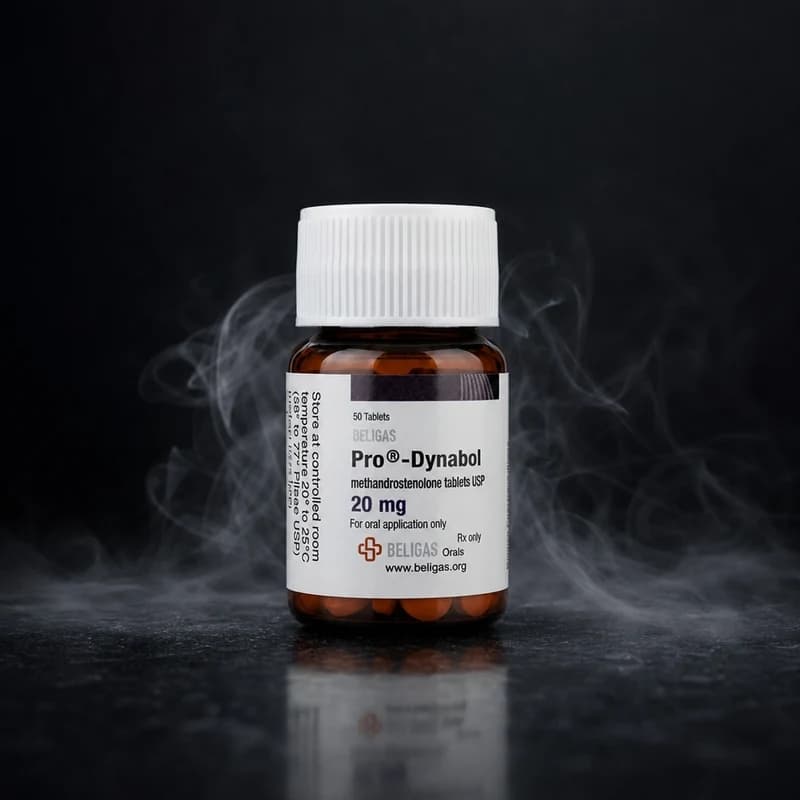
Methandienone 10mg by Sterling Knight Pharmaceuticals is an orally active 17α-alkylated androgen whose side-effect profile is dose-dependent, time-dependent, and individually variable — making proactive management a prerequisite rather than an afterthought. Three principal adverse-effect categories govern clinical decision-making: estrogenic effects, hepatotoxic effects, and androgenic/endocrine effects. Each category responds differently to mitigation strategies, and conflating them into a single risk label produces inadequate management protocols.
Estrogenic Adverse Effects
Methandienone aromatises into 17α-methylestradiol, an estrogen more resistant to enzymatic clearance than estradiol itself. This metabolite drives the water retention and gynecomastia risk that practitioners most commonly associate with the compound. Aromatase inhibitors — specifically anastrozole or letrozole, dosed conservatively — reduce circulating 17α-methylestradiol and moderate subcutaneous fluid accumulation. Compared to compounds with lower aromatisation rates such as Oxandrolone, Methandienone generates substantially greater estrogenic substrate per milligram administered, making estrogen control an active management variable rather than a precautionary option.
Hepatic Enzyme Elevation and Liver-Protective Strategies
Serum ALT and AST elevation is a predictable consequence of 17α-alkylation and scales with both daily dose and cycle duration. Clinical monitoring data consistently document meaningful transaminase increases beginning within the first two weeks of use, with the rate of elevation accelerating at daily intakes above 30 mg. TUDCA (tauroursodeoxycholic acid) at 500 mg daily and NAC (N-acetylcysteine) at 600 mg twice daily serve as hepatoprotective adjuncts supported by clinical hepatology literature on cholestatic liver injury. Cycle duration capped at four to six weeks allows transaminase values to return toward baseline before cumulative hepatocellular stress becomes irreversible.
Androgenic and Endocrine Feedback
HPG axis suppression begins within the first week of Methandienone use, measurable by falling serum LH and FSH assessed via immunoassay. Endogenous testosterone production declines proportionally, and the degree of suppression tracked by SHBG reduction serves as a surrogate for total androgenic burden during the cycle. Oily skin, accelerated scalp hair recession in genetically predisposed individuals, and acne along the upper back and shoulders represent the androgenic side-effect tier managed primarily through dose moderation rather than pharmacological adjuncts.
Monitoring Schedule for Side-Effect Management
Practitioners integrate side-effect management through scheduled laboratory monitoring: a pre-cycle baseline covering ALT, AST, total bilirubin, LH, FSH, and estradiol; a mid-cycle assessment at week two to three; and a post-cycle panel before PCT initiation. This three-point monitoring structure gives practitioners objective data at each decision threshold rather than relying on subjective physical cues alone.

 Lab Tested