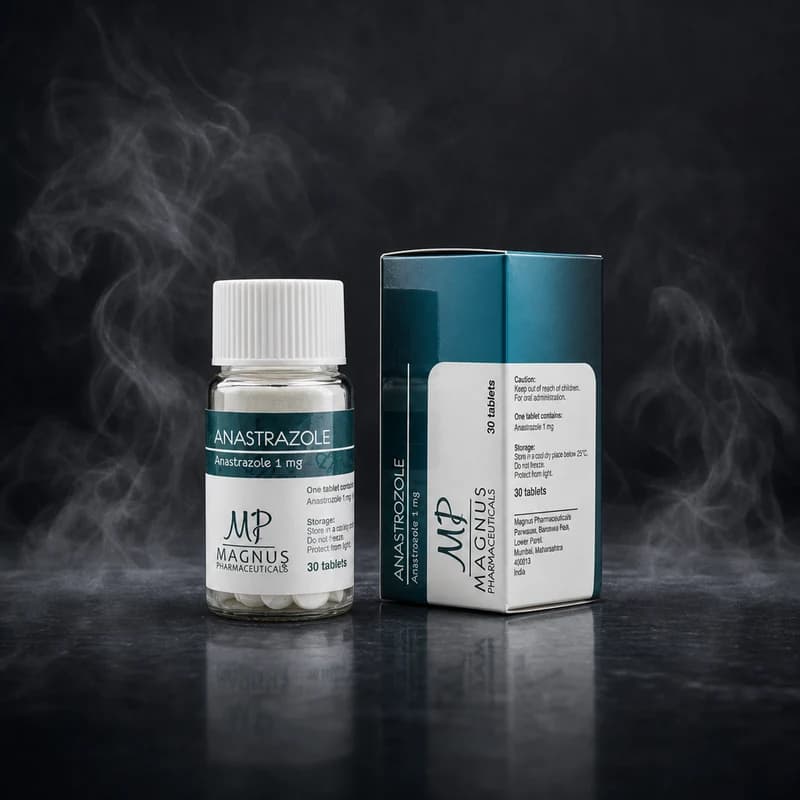
Anastrozole is a potent, selective, non-steroidal aromatase inhibitor (AI) that suppresses oestrogen biosynthesis by competitively blocking the cytochrome P450 enzyme aromatase (CYP19A1), and is widely used both clinically and within performance sport to manage oestrogen-related side effects arising from anabolic androgenic steroid (AAS) use.
Mechanism & Pharmacology
Anastrozole exerts its action by reversibly binding the haem-containing active site of aromatase, the enzyme responsible for converting androgens — primarily testosterone and androstenedione — into oestradiol (E2) and oestrone respectively. This enzymatic blockade occurs predominantly in peripheral tissues including adipose, muscle, and liver, reducing circulating oestradiol concentrations by up to 80–85% at a standard clinical dose of 1 mg per day.
Following oral administration, anastrozole demonstrates excellent bioavailability of approximately 83–85%, with peak plasma concentrations (Cmax) reached within two hours of ingestion. The compound exhibits a plasma half-life of 40–50 hours in adults, which underpins its once-daily dosing convenience and supports relatively stable plasma levels across a 24-hour window. Steady-state concentrations are typically achieved within seven days of consistent daily dosing — a pharmacokinetic characteristic that makes titration predictable and manageable.
Anastrozole does not possess progestogenic, androgenic, or oestrogenic activity of its own; it is a pure enzyme inhibitor. At the molecular level, anastrozole competes with the androgen substrate for the CYP19A1 active site. The compound's selectivity for aromatase over other CYP450 enzymes is well-documented and distinguishes it from first-generation non-selective aromatase inhibitors such as aminoglutethimide. Crucially, anastrozole does not impair adrenal steroidogenesis at therapeutic concentrations, meaning cortisol and aldosterone production remain essentially unaffected — a clinically and practically relevant distinction. Hepatic metabolism via N-dealkylation, hydroxylation, and glucuronidation accounts for approximately 85% of elimination, with renal clearance of unchanged drug playing a minor role.
Application Context & User Groups
Within bodybuilding and performance sport, anastrozole addresses a specific and well-characterised pharmacological problem: supraphysiological androgen exposure substantially accelerates aromatisation. When exogenous testosterone or other aromatisable compounds are administered, circulating oestradiol can rise well beyond the physiological male reference range of 20–55 pg/mL, triggering effects including gynaecomastia, subcutaneous water retention, elevated blood pressure secondary to sodium retention, and mood disturbances. Anastrozole provides a targeted, dose-adjustable mechanism to restore oestrogen to a physiologically appropriate level rather than eliminating it entirely.
This is an important nuance that separates experienced AAS users from novices: oestrogen is not uniformly detrimental in males. Oestradiol plays essential roles in bone mineral density maintenance, lipid metabolism regulation, libido, joint lubrication, and mood stabilisation. Excessive oestrogen suppression using anastrozole — a pattern sometimes referred to as "crashing oestrogen" — produces its own symptom cluster including low libido, dry, aching joints, cognitive fog, and blunted mood, effects that are well-reported anecdotally and supported mechanistically. Accordingly, anastrozole is best employed at the minimum effective dose needed to keep oestradiol within a functional range rather than driven to undetectable levels.
Clinically, anastrozole is approved for postmenopausal breast cancer treatment (adjuvant and first-line advanced disease), which established the safety and pharmacokinetic profile that bodybuilding users subsequently adopted by extrapolation. Athletes using testosterone cycles (particularly those involving testosterone enanthate, cypionate, or sustanon blends) represent the primary user group. Secondary user groups include those running wet bulking compounds such as nandrolone or boldenone, though nandrolone aromatises less extensively than testosterone and primarily converts to nandrolone's own oestrogen analogue (17β-oestradiol via a minor pathway), making anastrozole relevant but sometimes less dominant an AI choice compared to letrozole in high-aromatase contexts.
Dosing conventions in performance sport typically range from 0.25 mg to 1 mg every other day (EOD) during cycle, adjusted upward only if oestrogen-related symptoms emerge and confirmed via bloodwork. Post-cycle therapy (PCT) context sees anastrozole phased out in favour of SERMs (tamoxifen, clomiphene) as the primary PCT agents, since excessive aromatase inhibition can blunt the hypothalamic–pituitary–gonadal (HPG) axis recovery that PCT aims to facilitate.
Range & Selection by Concentration and Pack Size
All anastrozole products in this category are formulated at the universally standard concentration of 1 mg per tablet, reflecting both the clinically validated dose and the practical requirements of on-cycle oestrogen management. Selection therefore centres primarily on manufacturer, total tablet count, and quality preference rather than concentration variation.
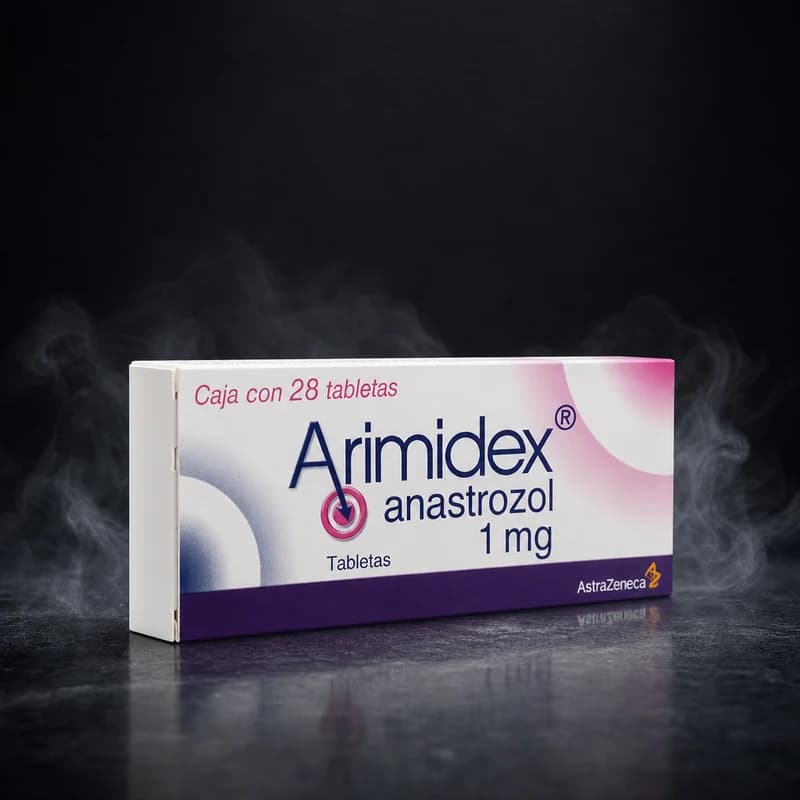
For users seeking the original branded pharmaceutical reference product, Arimidex 1mg/tab 28 Tablets by AstraZeneca represents the benchmark — the innovator preparation against which all generics are compared. The 28-tablet pack aligns with a monthly clinical supply and suits shorter cycles or conservative introductory use.
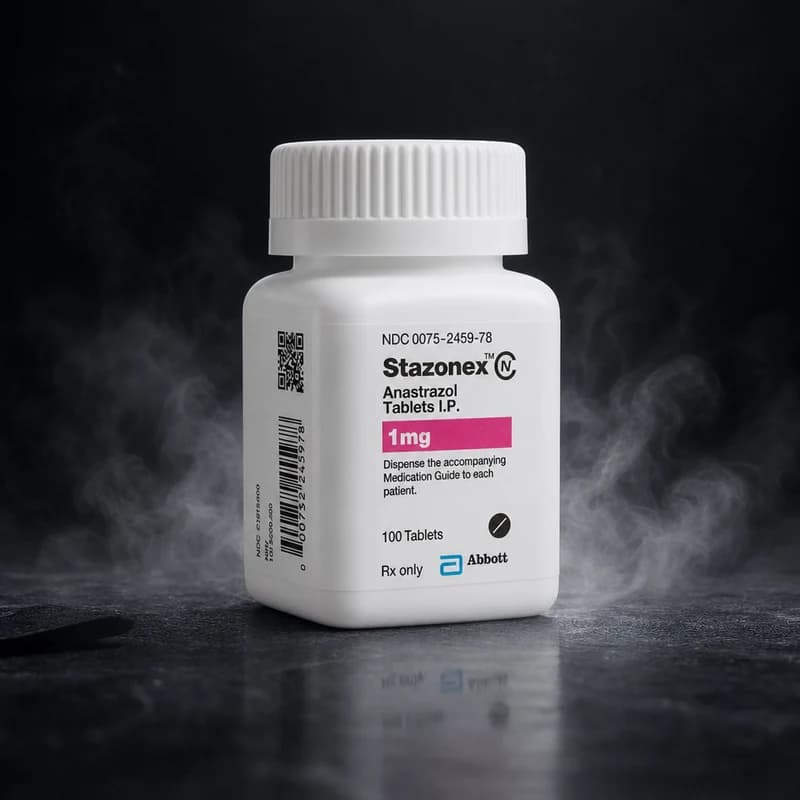
Those requiring larger supply volumes for extended bulk phases or multi-compound cycles will find the Stazonex 1mg/tab 100 Tablets by Knoll Pharmaceuticals a practical and economical choice, providing sufficient tablets for a full 14-week cycle at EOD dosing without the need for multiple orders.
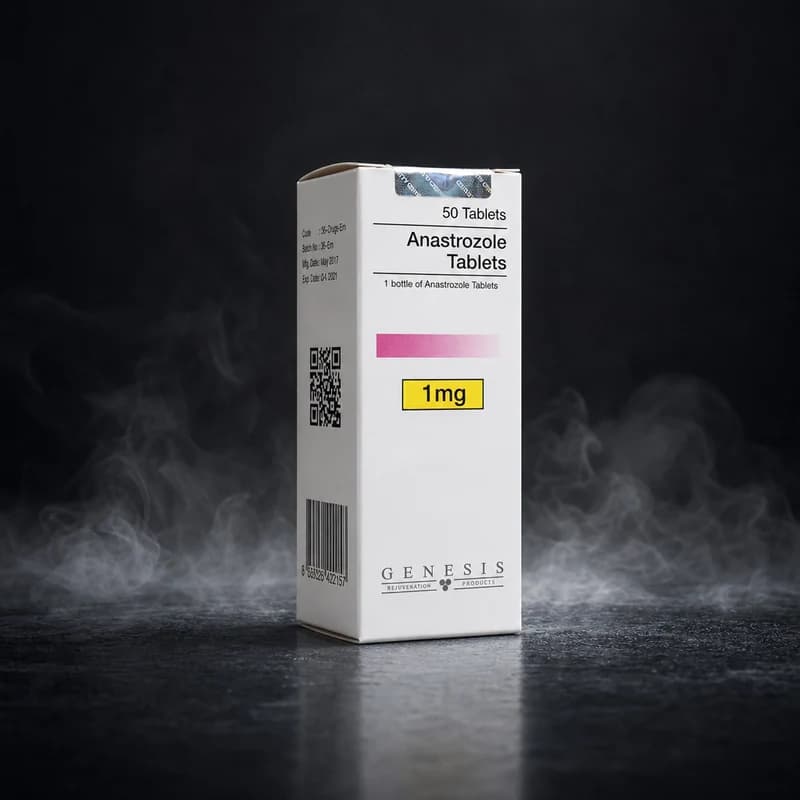
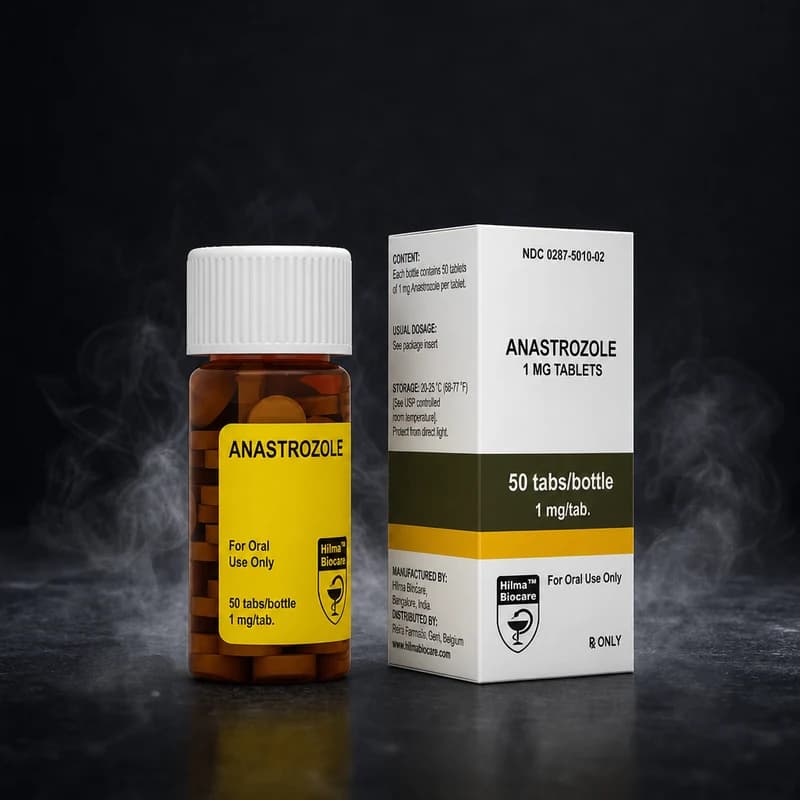
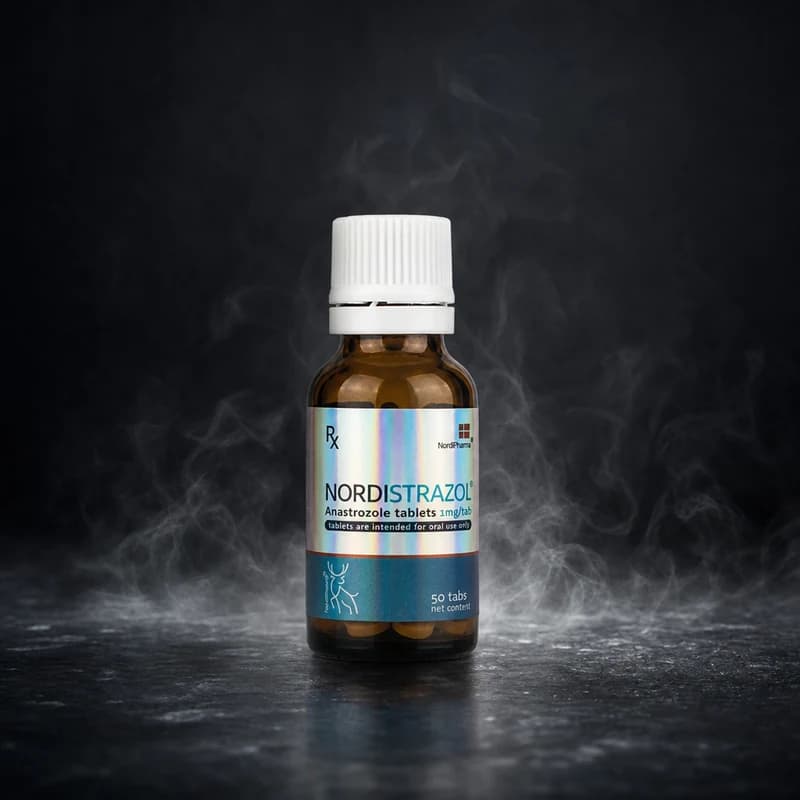
Anastrozole 1mg/tab 50 Tablets by Hilma Biocare and Anastrozole 1mg/tab 50 Tablets by Genesis both occupy the mid-range pack size, offering versatility for standard 8–12 week cycles with some residual supply for dose adjustments. Hilma Biocare has established a strong reputation within European performance markets for consistent tablet uniformity and measured dosing accuracy, making this a frequently chosen option among intermediate users who rely on bloodwork-guided adjustments.
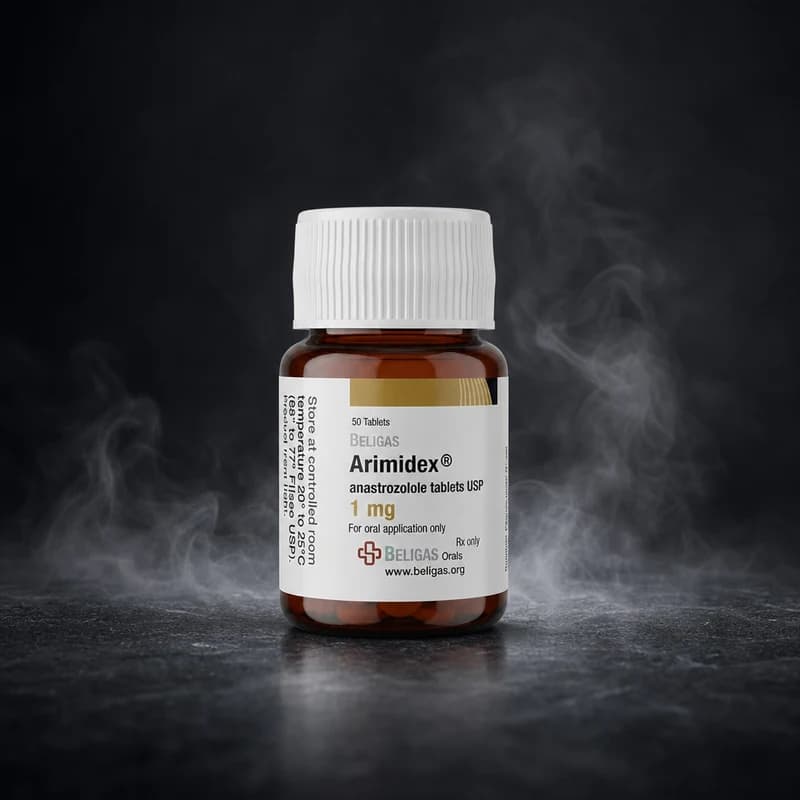
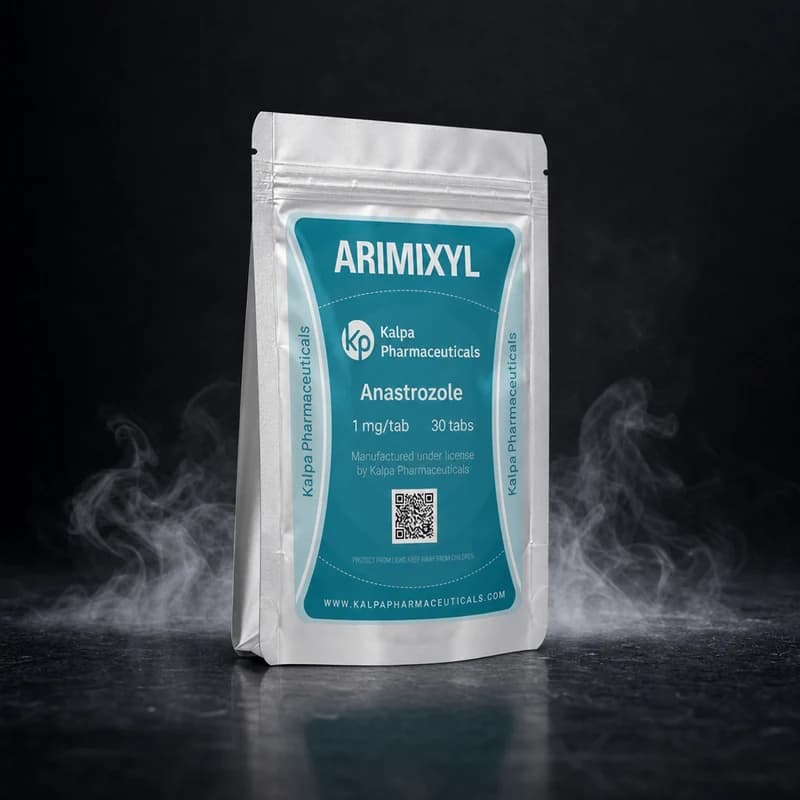
For users with brand loyalty to established underground pharmaceutical suppliers, Arimixyl 1mg/tab 30 Tablets by Kalpa Pharmaceuticals and Arimidex 1mg/tab 50 Tablets by Beligas Pharmaceuticals round out the mid-tier offerings, with 30- and 50-tablet counts respectively suiting cycles of varying duration and AI dosing frequency.
In practical terms, a user running 0.5 mg EOD across a 12-week cycle requires approximately 30 tablets; scaling up to 1 mg EOD demands 42 tablets. These figures provide a straightforward framework for selecting the appropriate pack size based on planned cycle length and anticipated dose, without overordering and without risk of running short at a critical mid-cycle point. Bloodwork at weeks 4–6 remains the most reliable calibration tool for confirming adequacy of the chosen dose — and the availability of multiple manufacturers in this category ensures flexible re-ordering if mid-cycle adjustments are required.
Frequently Asked Questions
What is the difference between anastrozole and exemestane for on-cycle oestrogen control?
Anastrozole is a reversible non-steroidal aromatase inhibitor, while exemestane is a steroidal, irreversible (suicidal) AI. Anastrozole's reversibility means oestrogen levels can recover more quickly if suppression goes too low, offering greater flexibility for dose adjustment. Exemestane's permanent enzyme inactivation provides sustained suppression but leaves less room to correct over-suppression mid-cycle.
How long does anastrozole take to show a measurable effect on oestradiol levels?
Anastrozole reaches steady-state plasma concentrations within approximately seven days of daily dosing. Meaningful reductions in serum oestradiol — typically 70–80% suppression at 1 mg/day — are detectable within three to five days of initiation. For bodybuilding purposes, starting anastrozole at the same time as the first injection of a long-ester testosterone is common practice to pre-empt rising oestradiol.
Can anastrozole be used during post-cycle therapy (PCT)?
Anastrozole is generally not recommended as the primary agent during PCT. Suppressing oestrogen during HPG axis recovery can blunt LH and FSH secretion, slowing testosterone restoration. SERMs such as tamoxifen or clomiphene are preferred for PCT as they block oestrogen's negative feedback at the hypothalamus without reducing circulating oestradiol — the opposite mechanism to anastrozole's.


 Lab Tested