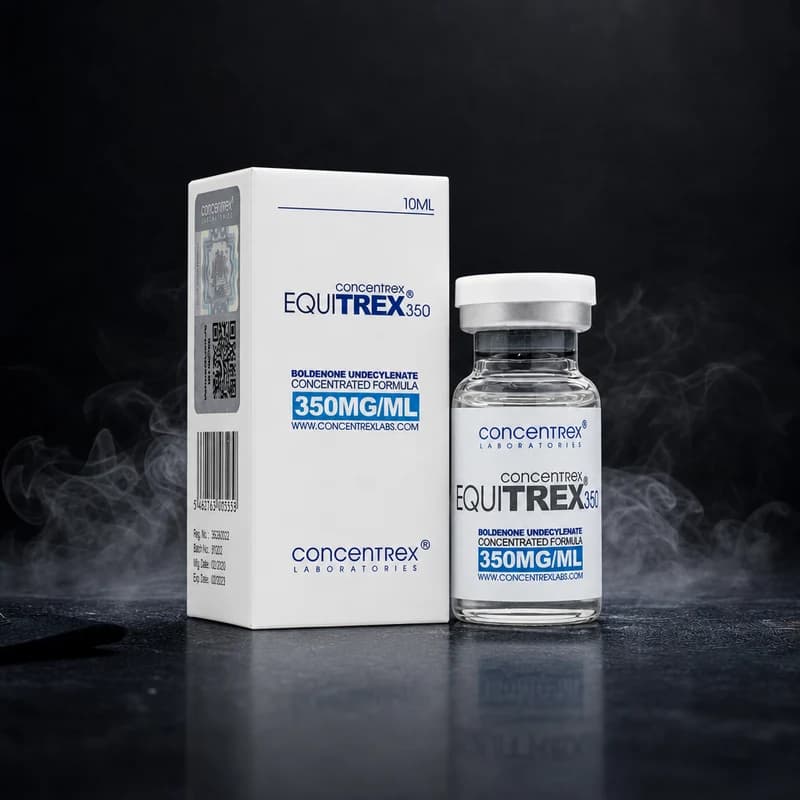
contraindications: Contraindicated in pre-menopausal women and in any individual with a documented hypersensitivity to anastrozole or any Ph. Eur.-listed excipient in the formulation.
Not appropriate for individuals with severe hepatic impairment; CYP19A1 inhibition kinetics are altered in significant liver disease.
Do not use alongside oestrogen-containing preparations — co-administration pharmacologically negates the inhibitor's effect.
side_effects: Joint pain and arthralgia are the most commonly reported class-effect adverse events, typically dose-dependent and reversible on discontinuation.
Prolonged or excessive AI use risks driving estradiol below physiological levels, producing symptoms including reduced libido, mood disturbance, impaired bone mineral density, and lipid profile changes.
Headache, hot flushes, and mild gastrointestinal discomfort have been reported at 1 mg daily in clinical trial populations.
monitoring: Serum estradiol (sensitive LC-MS/MS method) should be measured before initiation, at the mid-protocol point, and at discontinuation.
Lipid panel (LDL/HDL ratio) monitoring is recommended for protocols exceeding four weeks, as sustained estrogen suppression may adversely affect lipid profiles.
Bone density screening is advisable for any individual using anastrozole for extended durations beyond the PCT window.
pct: Anastrozole functions as the AI component of a structured hormonal recovery protocol; it does not independently stimulate LH or FSH and must be paired with a SERM (e.g. tamoxifen or clomiphene) when gonadotropin axis restoration is required.
Avoid simultaneous high-dose SERM administration during peak anastrozole use without dose adjustment, given the documented interaction affecting anastrozole plasma exposure.
Discontinue anastrozole once estradiol has stabilised within reference range; continued AI use beyond this point is counterproductive to the hormonal environment needed for full testicular recovery.

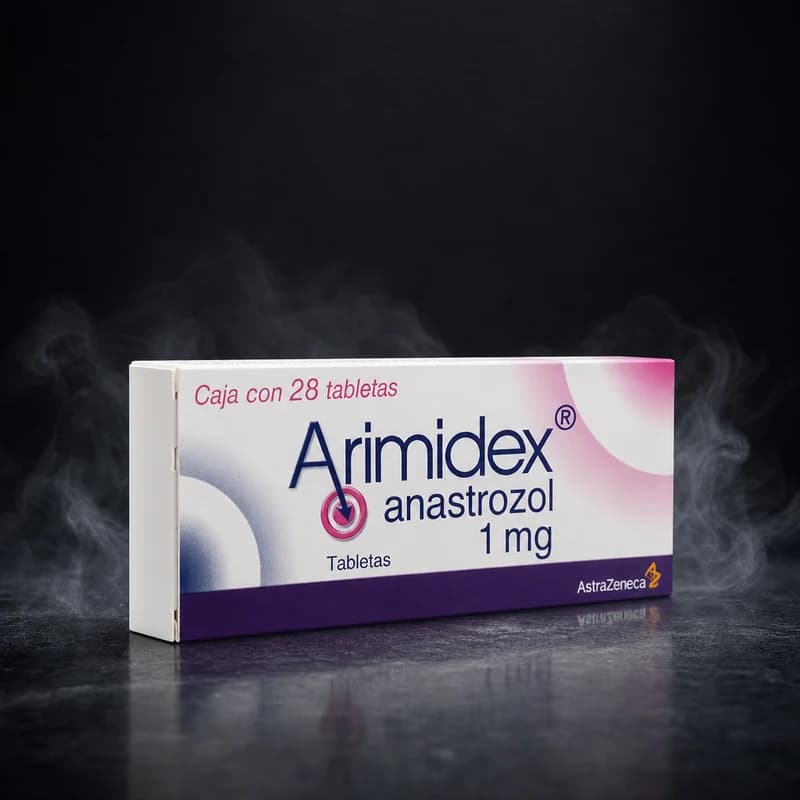 Lab Tested