Anastrozole for PCT After a Mild Cycle: The Case for a Proportional Response
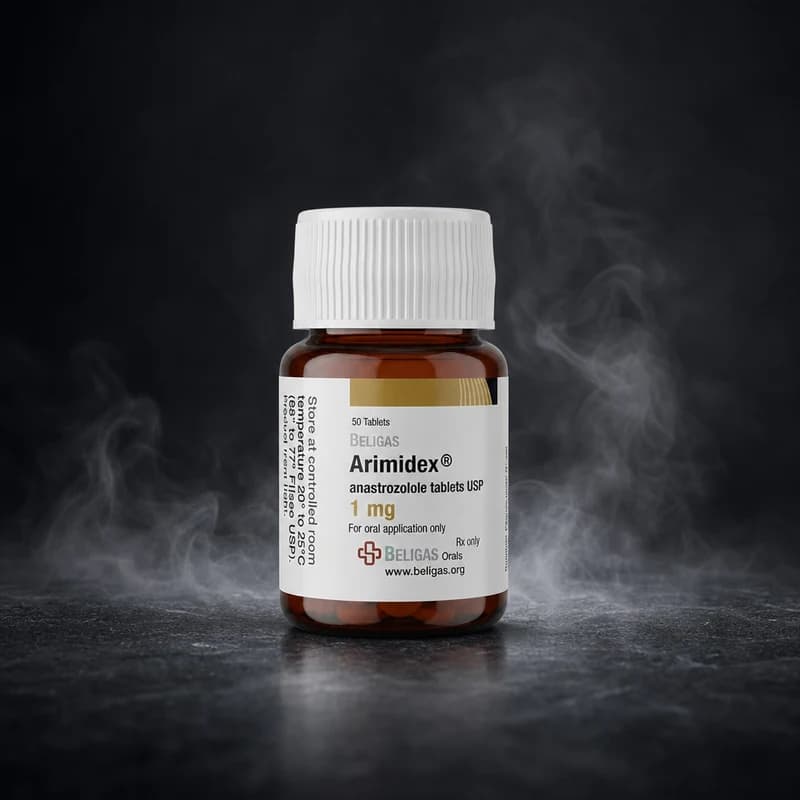
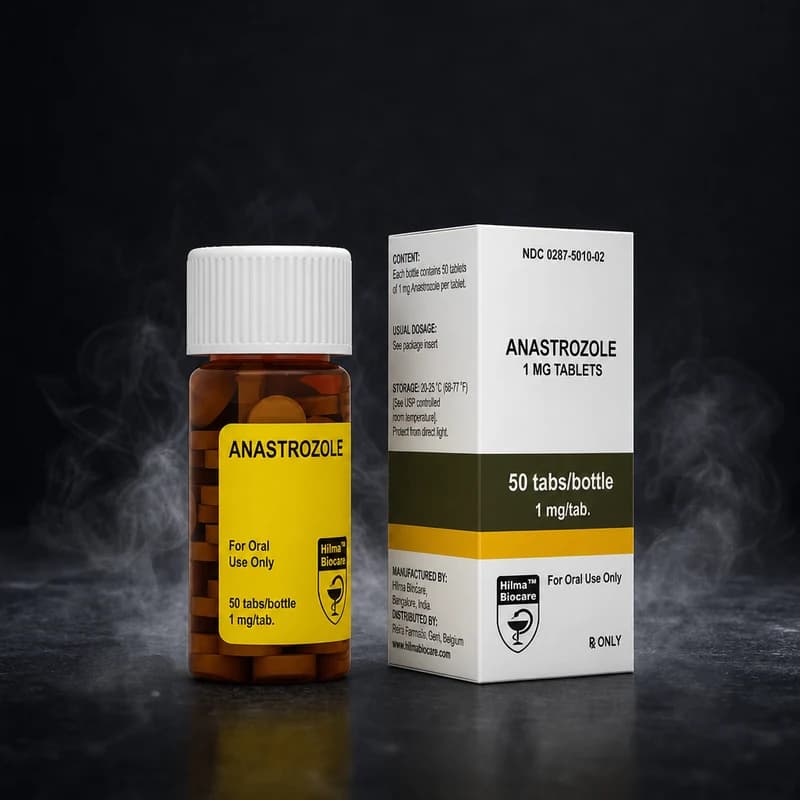
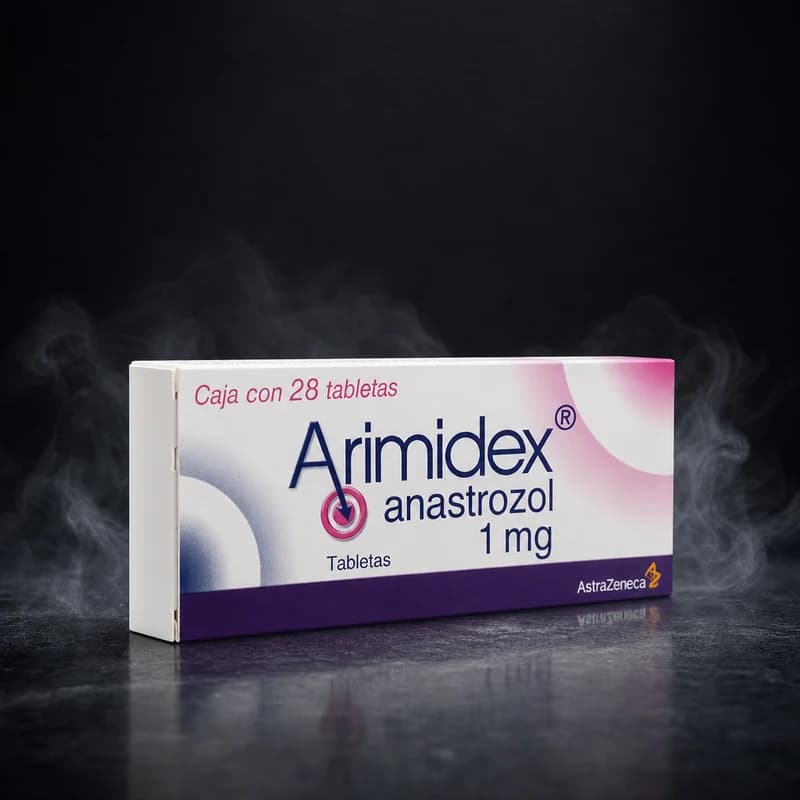
Genesis Anastrozole 1 mg is a reversible, non-steroidal aromatase inhibitor formulated for oral administration — specifically suited to the post-cycle context in which suppression is limited, the HPG axis recovery trajectory is already favourable, and over-aggressive estrogen suppression carries a real risk of impairing the very rebound it is meant to support. Unlike scenarios following prolonged or heavily androgenic cycles, a mild cycle — typically a short ester, single-compound, or low-dose run — leaves circulating testosterone rebounding within two to three weeks of the last dose, reducing the window in which anastrozole is clinically warranted.
Compared to the extended aromatase inhibition blocks used after highly suppressive stacks, a mini-PCT following a mild cycle may require anastrozole for as few as two to four weeks at a reduced frequency. Genesis Anastrozole occupies and competitively inhibits the CYP19A1 enzyme, blocking peripheral conversion of androgens to estradiol — a mechanism confirmed in pharmacokinetic studies reporting a plasma half-life of approximately 40 to 50 hours, allowing alternate-day dosing to maintain meaningful enzyme occupancy. The enzyme inhibition is fully reversible upon discontinuation, which is precisely what a minimal-footprint recovery protocol demands.
Tailoring the Dose to the Degree of Suppression
Dose calibration is the defining principle of mild-cycle PCT. Genesis Anastrozole's 1 mg tablet provides a convenient dose unit; users running a mini-PCT protocol typically employ 0.5 mg every other day — achievable by splitting the scored tablet — rather than the 1 mg daily schedule appropriate for heavier cycles. This half-dose, alternate-day approach maintains sufficient CYP19A1 inhibition to prevent estrogen overshoot during the early rebound phase without crashing estradiol to levels that suppress libido, blunt IGF-1 signalling, or impair lipid metabolism.
Why Over-Suppression Is the Key Risk in Mild-Cycle PCT
Estradiol is not simply an aromatisation by-product; it is an active mediator of bone mineralisation, cardiovascular protection, and neurocognitive function. After a mild cycle, the estrogen environment normalises relatively rapidly. Applying full-dose anastrozole beyond the brief window of genuine estrogen excess drives estradiol below physiological range, decelerating rather than accelerating the hormonal recovery that is the entire objective of PCT.
Manufacturing Quality Underpinning Every Tablet
Genesis produces its Anastrozole 1 mg tablets under a quality framework in which potency accuracy is verified by HPLC against pharmacopoeial reference standards, endotoxin load is assessed via the LAL (Limulus Amebocyte Lysate) assay, and each batch undergoes GMP-compliant finished-product release testing before distribution. Tablet-to-tablet weight uniformity testing confirms that each unit in the 50-tablet pack delivers the declared 1 mg active content — a specification that matters most precisely when the user is operating at sub-milligram fractional doses characteristic of mild-cycle PCT.

 Lab Tested