Exemestane is a steroidal, irreversible aromatase inhibitor that permanently deactivates the aromatase enzyme, suppressing oestrogen biosynthesis at its enzymatic source rather than competing with it reversibly.
Mechanism & Pharmacology of Exemestane
Exemestane belongs to a structurally distinct class of aromatase inhibitors known as type I, or "suicidal," inhibitors. Unlike non-steroidal aromatase inhibitors such as anastrozole or letrozole, exemestane is a substrate analogue: its molecular scaffold closely mirrors androstenedione, the natural substrate for the CYP19A1 enzyme. Once exemestane binds to the active site of aromatase, it is converted into a reactive intermediate that forms a permanent, covalent bond with the enzyme. This irreversible inactivation means the enzyme is rendered permanently non-functional — oestrogen synthesis resumes only when new aromatase enzyme units are synthesised, which typically takes 72–96 hours.
Oral bioavailability of exemestane is approximately 40% under fasted conditions but increases meaningfully when taken with a fatty meal, rising by as much as 40% above fasted levels. This makes co-administration with food not merely preferable but practically significant for those seeking consistent plasma concentrations. The compound reaches peak plasma concentration (Cmax) within roughly 2 hours of ingestion, and its terminal half-life is approximately 24 hours, supporting once-daily dosing schedules without significant plasma fluctuation.
The pharmacodynamic effect is pronounced: clinical and research data indicate that a 25 mg daily dose suppresses circulating oestradiol levels by approximately 85–95% in post-menopausal women under clinical conditions. While extrapolating oncological data directly to bodybuilding use carries inherent limitations, the magnitude of aromatase suppression is directly relevant to individuals managing oestrogen during or after anabolic steroid cycles. Crucially, exemestane retains an androgenic character due to its steroidal backbone. Its primary metabolite, 17-hydroexemestane, exhibits modest anabolic activity and has been observed to suppress sex hormone-binding globulin (SHBG), which can increase the ratio of free testosterone in circulation — a pharmacological nuance that distinguishes it from non-steroidal alternatives.
Exemestane does not affect the synthesis of cortisol, aldosterone, or other adrenal steroids at therapeutic doses, making its endocrine impact relatively targeted to the oestrogen pathway.
Application Context & User Groups
Within the context of performance and physique sports, exemestane occupies a specific tactical role. It is primarily employed during cycles involving aromatising anabolic-androgenic steroids — testosterone esters, nandrolone, boldenone, and similar compounds — where excess circulating oestrogen contributes to unwanted outcomes including gynaecomastia, water retention, elevated blood pressure driven by fluid accumulation, and mood disruption associated with oestrogen excess.
Because of its irreversible mechanism, exemestane is often favoured by individuals who have experienced rebound oestrogen elevations with reversible inhibitors. When a competitive, reversible inhibitor is discontinued, aromatase activity can rebound sharply as the inhibitor dissociates. Suicidal inhibition eliminates this dynamic: aromatase activity normalises gradually as enzyme regeneration occurs rather than spiking upon cessation.
A second and important use case is post-cycle therapy (PCT) or the transitional period following a steroid cycle. Here, managing oestrogen while endogenous testosterone recovers is critical. The modest androgenic activity of exemestane's metabolite and its SHBG-lowering effect have made it a preferred aromatase inhibitor during this phase for a subset of experienced users who wish to support the free testosterone environment during recovery. It is often used in conjunction with selective oestrogen receptor modulators (SERMs) such as tamoxifen or clomiphene during PCT, with the combination having been studied in clinical literature.
Exemestane is not appropriate for individuals not engaged in hormonal manipulation that causes oestrogen elevation. Over-suppression of oestrogen in any user carries real physiological costs: oestrogen plays important roles in bone mineral density, lipid metabolism, joint lubrication, and cardiovascular health. Users who crash oestrogen report joint pain, fatigue, low libido, and impaired mood — outcomes that are counterproductive in any athletic context. Dosing strategy and cycle context therefore determine whether exemestane is used daily, on an every-other-day basis, or reserved as a responsive agent when oestrogen-related symptoms arise.
A brief note: this content is provided for informational purposes. Consult a qualified healthcare professional before use.
Range & Selection by Concentration and Pack Size
All exemestane products in this category are formulated at the industry-standard concentration of 25 mg per tablet, reflecting the clinically established dose at which aromatase inhibition reaches its effective ceiling without disproportionate SHBG or oestrogen suppression beyond therapeutic need. The differentiating variable across the five products is therefore manufacturer origin and pack size, which speaks directly to intended cycle duration and cost efficiency.
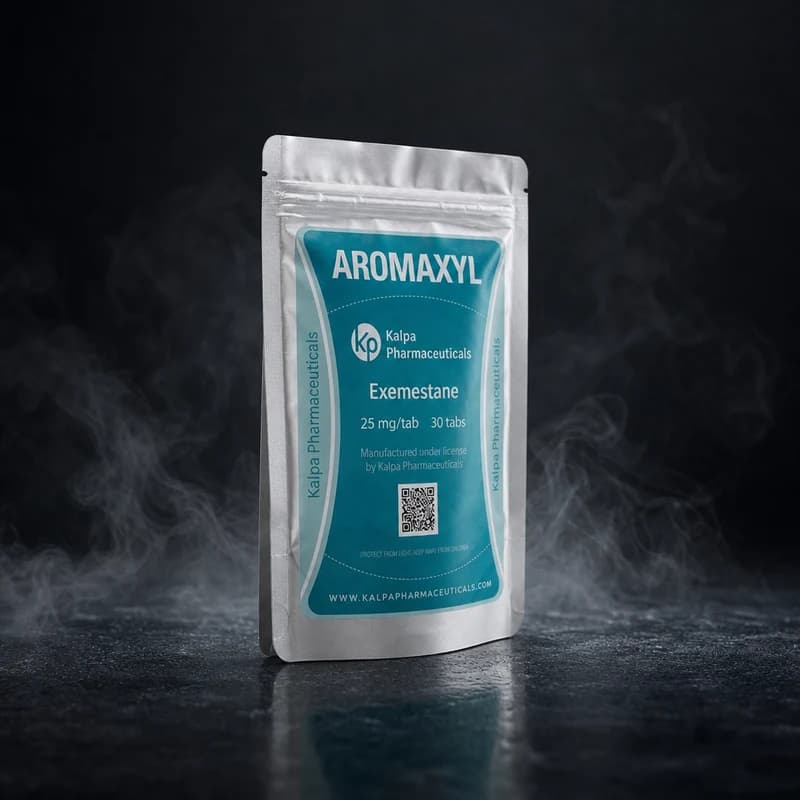
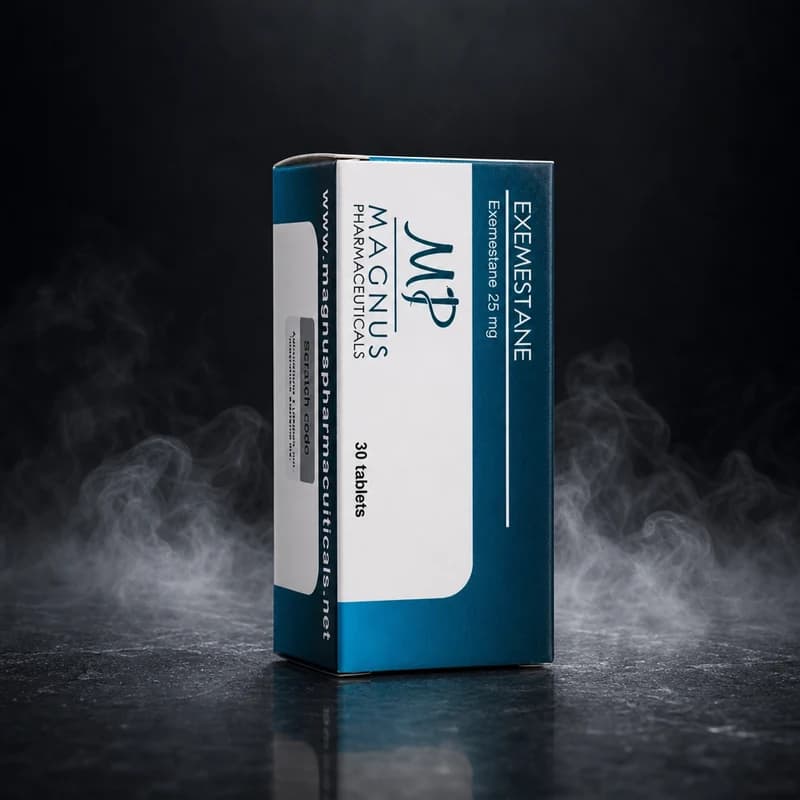
Pack size: 30 tablets suits shorter cycles or trial use, where a 30-day supply at daily dosing (or 60-day supply at every-other-day dosing) maps cleanly onto typical cycle structures of 10–12 weeks alongside appropriate monitoring. Aromaxyl 25 mg/tab 30 Tablets by Kalpa Pharmaceuticals and Exemestane 25 mg/tab 30 Tablets by Magnus Pharmaceuticals serve this tier well. Kalpa is a long-established pharmaceutical-grade manufacturer with a track record across multiple compound classes; Magnus Pharmaceuticals offers consistently documented quality across its oral range.
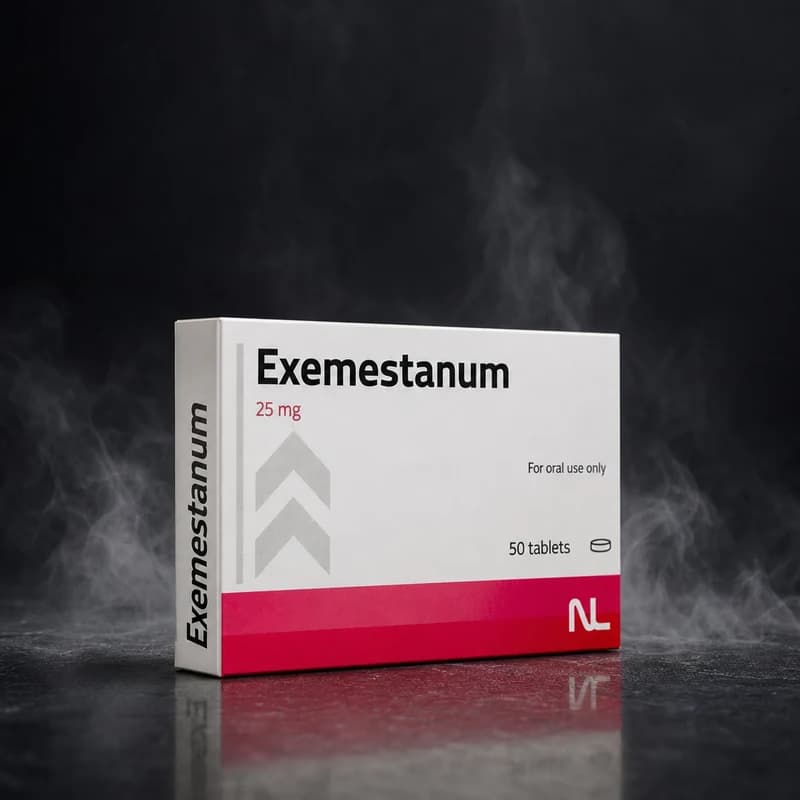
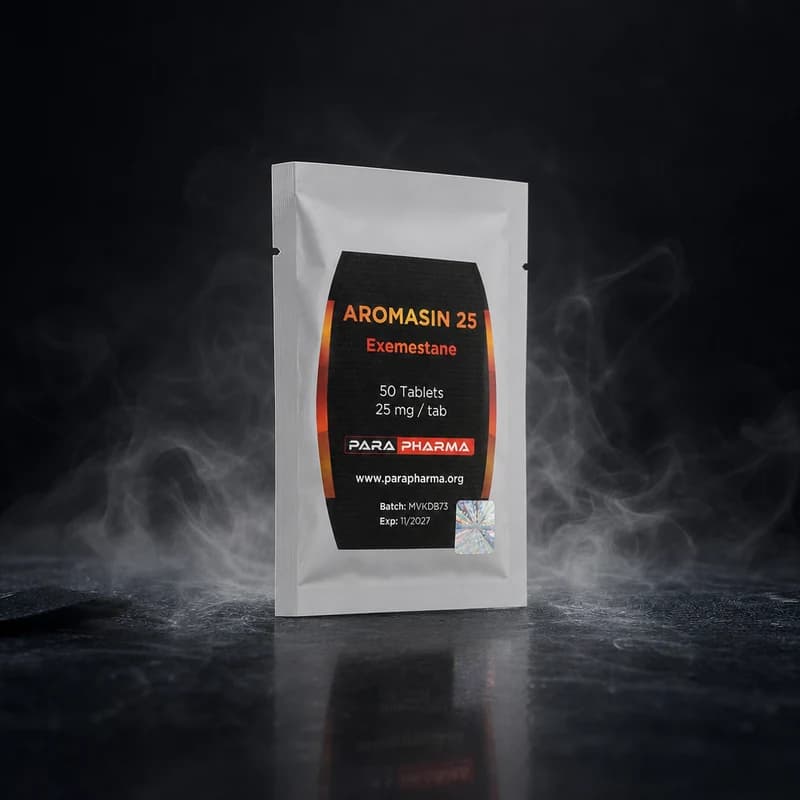
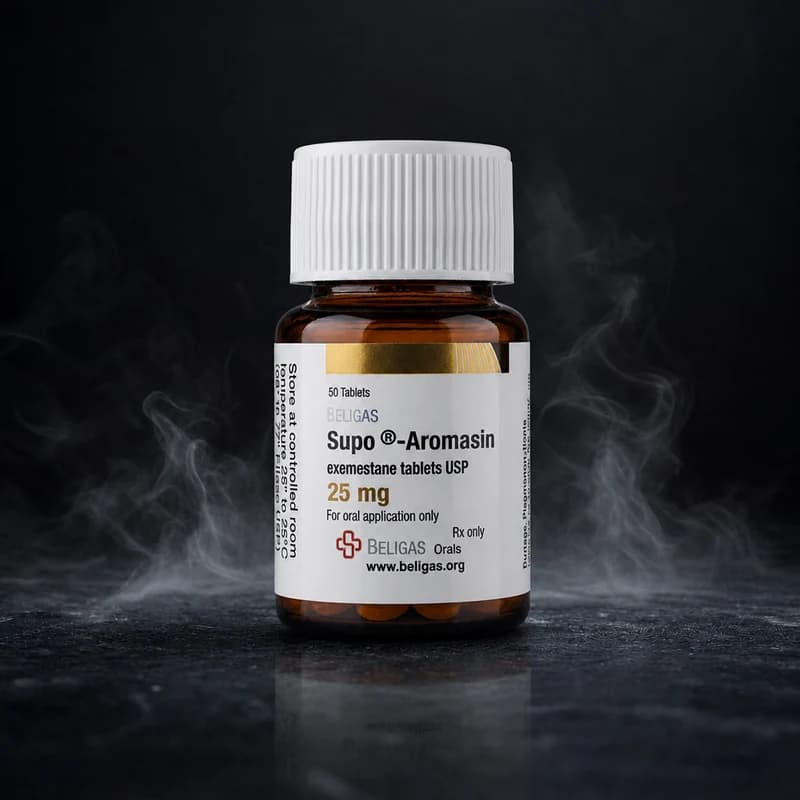
Pack size: 50 tablets provides a more economical per-tablet cost and suits longer cycles, bulk purchasing, or users who have established their individual dosing requirement and wish to reduce reorder frequency. Supo-Aromasin 25 mg/tab 50 Tablets by Beligas Pharmaceuticals is a prominent option in this tier, with Beligas recognised for high manufacturing standards and professional packaging. Exemestanum 25 mg/tab 50 Tablets by Nassa Labs and Aromasin 25 25 mg/tab 50 Tablets by Para Pharma round out the 50-tablet selection, with Para Pharma in particular being widely regarded across the international performance community for consistency and accessibility.
Selection guidance: users running longer testosterone-based cycles (16 weeks or more) with confirmed aromatase activity typically benefit from the larger pack sizes. Users entering PCT or running shorter ester-based protocols where oestrogen management windows are tighter will find the 30-tablet format a proportionate choice. Regardless of pack size, all products in this group deliver the same 25 mg active dose per tablet.
Frequently Asked Questions
How does exemestane differ from anastrozole or letrozole in practice?
Exemestane irreversibly deactivates aromatase, meaning oestrogen suppression persists until new enzyme is synthesised — typically 72–96 hours. Anastrozole and letrozole compete reversibly with the enzyme's substrate. Practically, this eliminates the risk of oestrogen rebound upon cessation, which some users experience with non-steroidal inhibitors. Exemestane's steroidal structure also confers mild androgenic and SHBG-lowering properties absent in the non-steroidal alternatives.
Can exemestane be used during post-cycle therapy (PCT)?
Yes, exemestane is commonly incorporated into PCT protocols, often alongside SERMs such as tamoxifen or clomiphene. Its irreversible mechanism prevents oestrogen rebound, and its metabolite's modest androgen-like activity may support the free testosterone environment during endogenous recovery. Dosing during PCT is typically conservative — often every other day rather than daily — to avoid excessive oestrogen suppression that would impair recovery.
What are the signs of over-suppressing oestrogen with exemestane?
Oestrogen performs essential physiological functions. Over-suppression typically presents as joint pain or stiffness, reduced libido, fatigue, low mood or irritability, dry skin, and impaired sleep quality. These symptoms indicate that oestrogen has been driven below the physiologically functional range. If they occur, dosing frequency should be reduced rather than the compound discontinued abruptly, allowing enzyme regeneration and oestrogen to normalise gradually.


 Lab Tested