Exemestane as the Aromatase Inhibitor of Choice Following a Heavy Anabolic Cycle
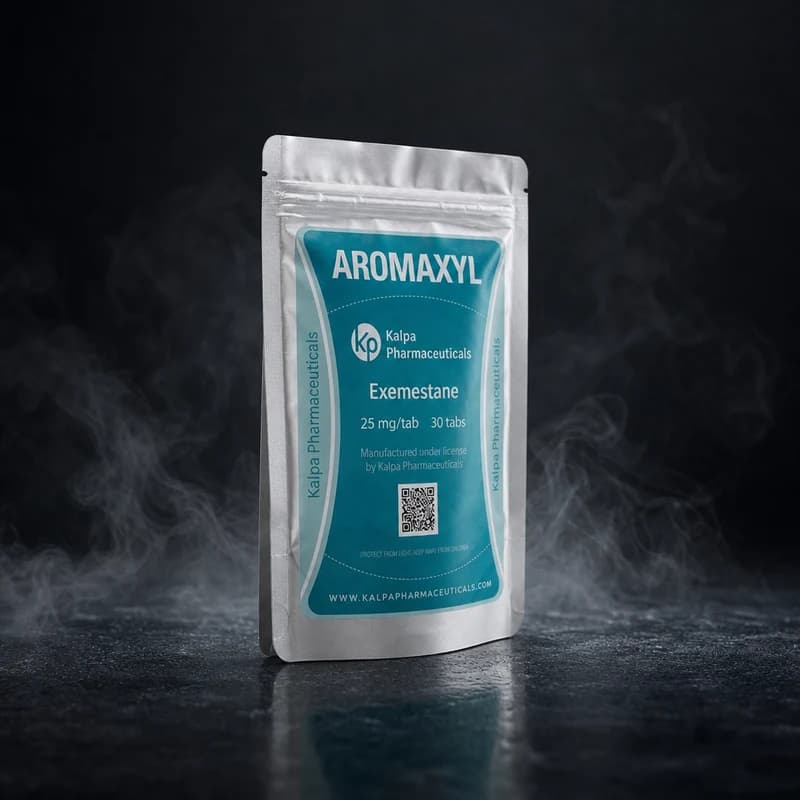
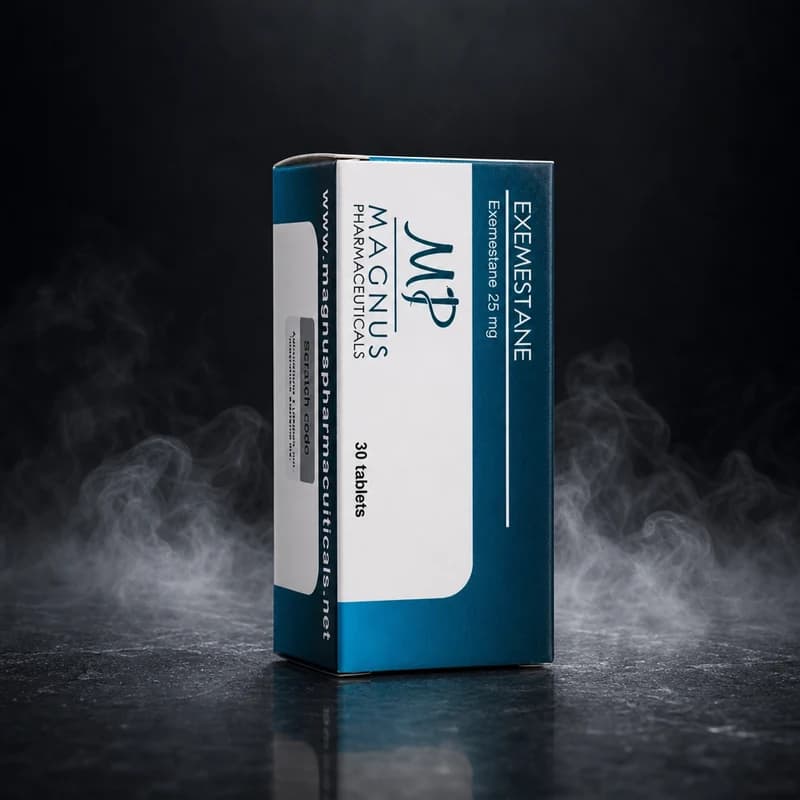
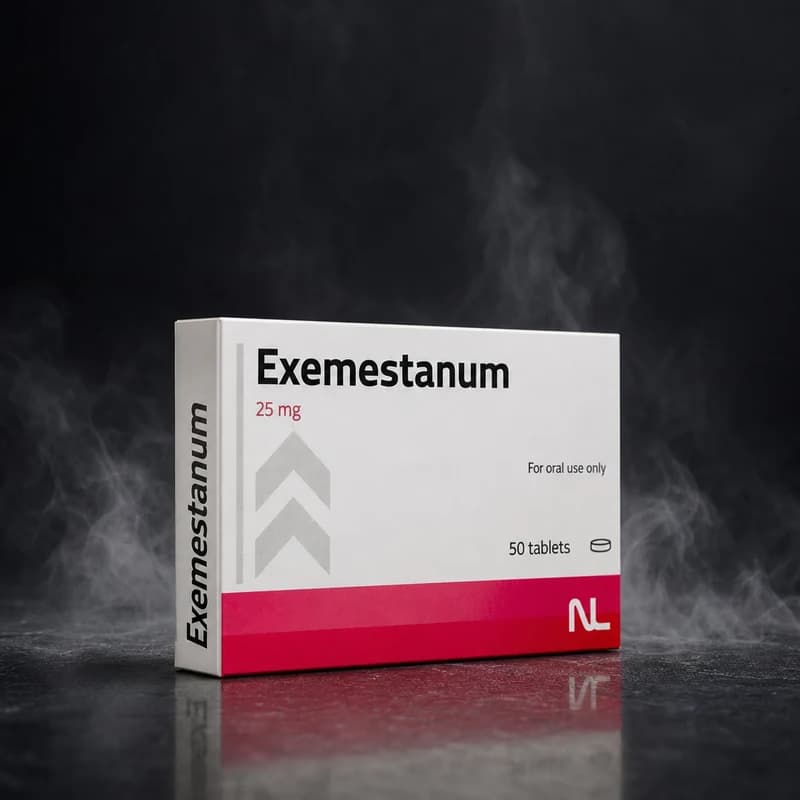
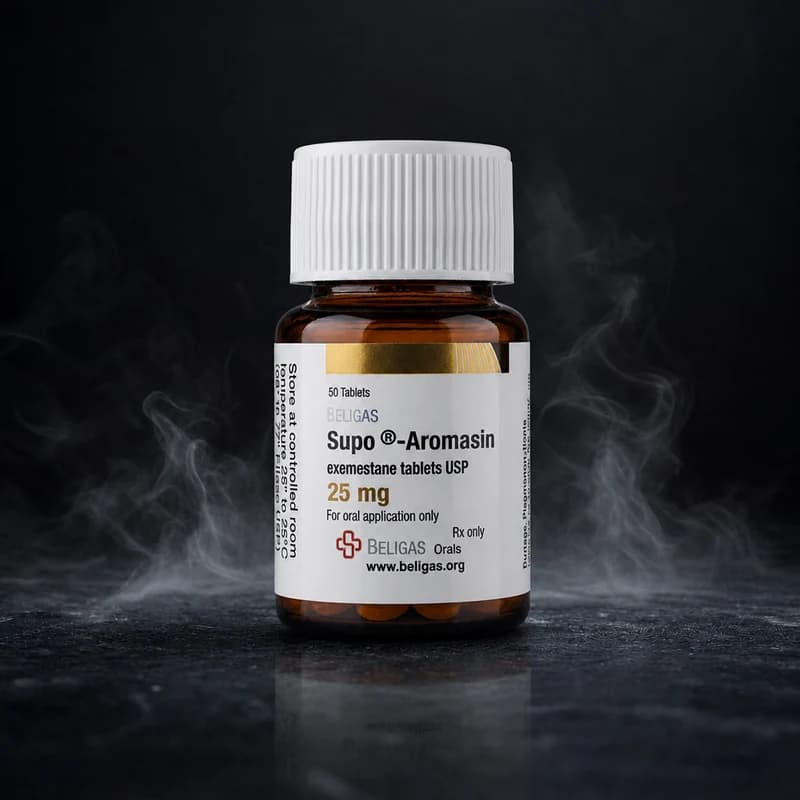
Para Pharma Aromasin 25 is a 25 mg-per-tablet oral Exemestane formulation specifically suited to post-cycle therapy following prolonged, multi-compound, or heavily suppressive anabolic steroid regimens — cycles where elevated aromatase enzyme activity persists well beyond the last injection. Unlike lighter-cycle recovery scenarios, a heavy-cycle context introduces compounding variables: heightened baseline estradiol, significant HPG axis suppression depth, and a longer receptor-normalisation window that demands a correspondingly robust AI strategy. Exemestane addresses this by forming a permanent covalent bond with the aromatase enzyme, eliminating its residual activity rather than competing with it transiently.
Why Irreversible Inhibition Matters More After High-Aromatase-Load Cycles
New aromatase enzyme synthesis is required to restore estrogenic activity after Exemestane exposure — a property that gives it a pharmacodynamic durability that non-steroidal AIs cannot replicate through the same pathway. Compared to reversible inhibitors such as Anastrozole or Letrozole, Exemestane maintains suppressive effect even as plasma concentration declines between doses, reducing the risk of estradiol spikes during the dose interval. Exemestane at 25 mg daily suppresses serum estradiol by approximately 85 % in clinical pharmacology data derived from post-menopausal oncology studies (Pharmacyclics/Pfizer prescribing documentation), a figure that contextualises its utility when aromatase upregulation from heavy cycling must be rapidly controlled. Para Pharma's 50-tablet pack provides a full six-to-seven-week supply at the 25 mg daily induction rate, sufficient to bridge the high-suppression phase before stepping down as HPG markers normalise.
Batch Testing and Quality Architecture for Heavy-Cycle Reliability
Para Pharma subjects each Aromasin 25 production lot to a discrete-tablet reversed-phase HPLC protocol: individual finished tablets drawn from multiple positions across the compression run are each independently quantified against a certified Exemestane reference standard, confirming that the declared 25 mg API content is accountable at the unit level — not interpolated from upstream granulate data. LAL (Limulus Amebocyte Lysate) endotoxin testing is applied as an additional release checkpoint, a safeguard typically associated with injectables that Para Pharma extends to oral solid-dose forms as a quality standard. Batch-specific release documentation accompanies production lots, enabling traceability from API sourcing through to the finished blister.
Integrating Aromasin 25 Into a Heavy-Cycle PCT Stack
A structured heavy-cycle PCT typically requires coordinated use of Exemestane alongside a SERM and, in many cases, HCG administered before the SERM phase begins. Aromasin 25 manages peripheral aromatase activity while SERM agents act at the pituitary level to stimulate LH and FSH output; the two mechanisms are complementary rather than overlapping. Clinicians and experienced practitioners often maintain Exemestane dosing through weeks one to four of PCT, then taper frequency as confirmed serum estradiol and LH measurements indicate axis recovery — a protocol the 50-tablet pack accommodates without mid-cycle interruption.

 Lab Tested