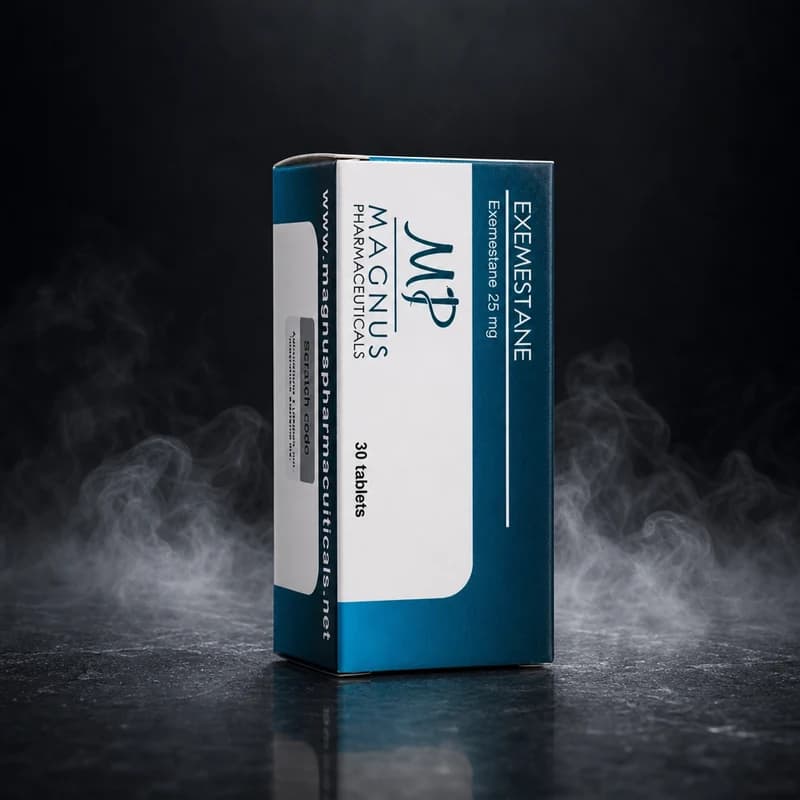
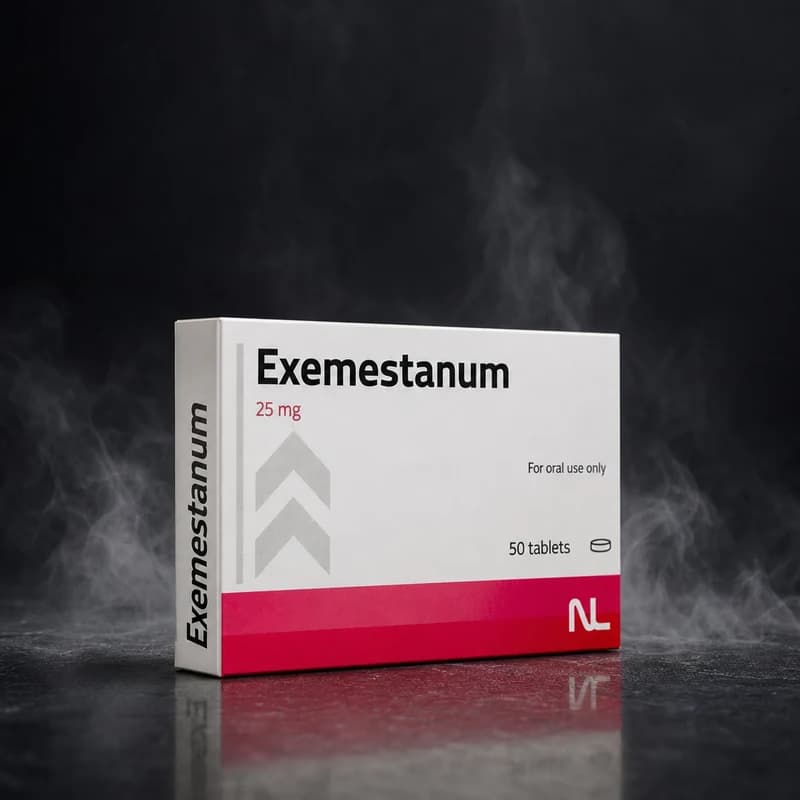
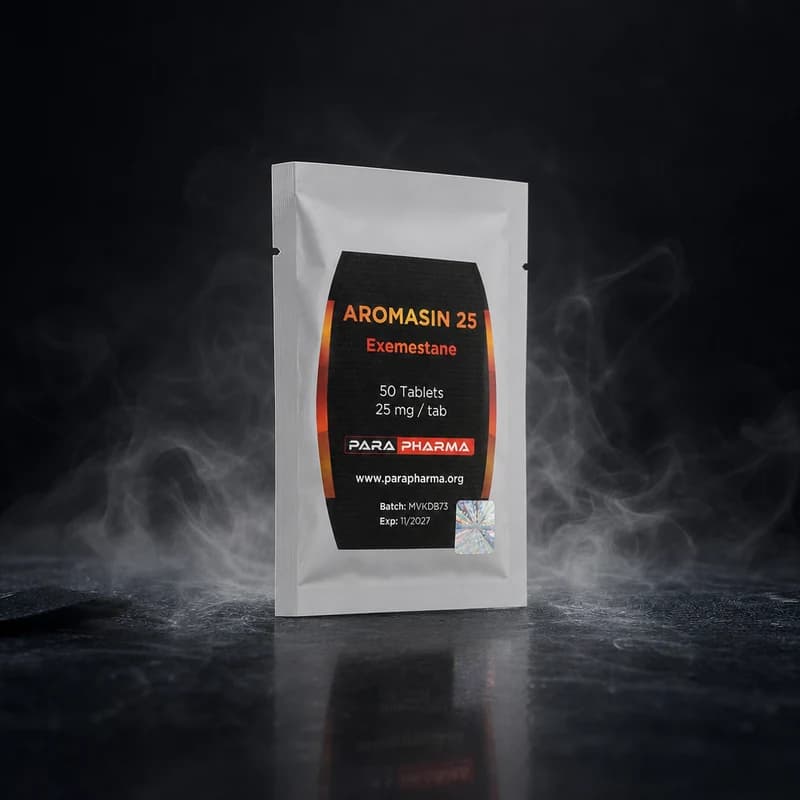
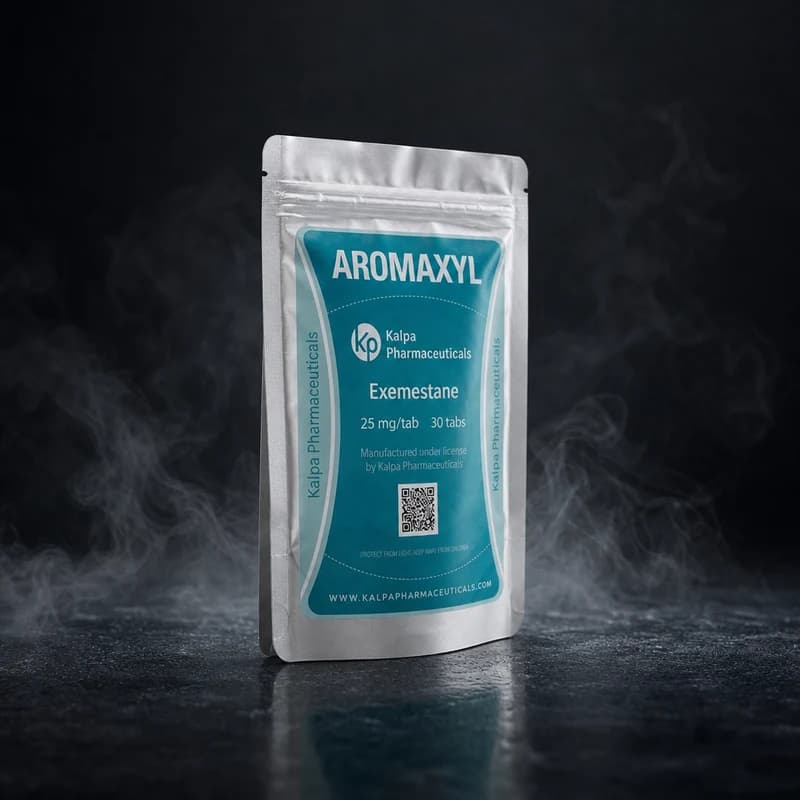
Contraindications: Not indicated for individuals with pre-existing severe hepatic impairment — Exemestane undergoes extensive first-pass hepatic metabolism and liver stress may alter clearance and active-metabolite exposure.
Contraindicated in women who are pregnant or may become pregnant; Exemestane is embryotoxic in preclinical studies.
Do not use alongside oestrogen-containing medications or selective oestrogen-receptor modulators in the same daily dose window — pharmacodynamic antagonism reduces net PCT efficacy.
Side Effects: Excessive estrogen suppression (estradiol below 15 pg/mL) may cause joint discomfort, reduced libido, mood flattening, and impaired LH pulsatility — use alternate-day dosing to mitigate.
Mild gastrointestinal disturbance (nausea, dyspepsia) reported in clinical cohorts; taking the tablet with food substantially reduces incidence.
Potential reduction in bone mineral density with prolonged daily use; relevant primarily for continuous, long-term aromatase inhibitor therapy beyond standard PCT durations.
Monitoring: Serum estradiol should be measured at PCT baseline, mid-protocol (week 3), and 2 weeks post-PCT to guide dose adjustments and confirm recovery.
Monitor LH and FSH alongside testosterone at end-of-PCT to verify HPT axis re-engagement independent of estrogen management.
Hepatic enzyme panels (ALT, AST) are advisable for individuals running multi-compound cycles before initiating Supo-Aromasin.
PCT: Supo-Aromasin is an AI component within a PCT stack — it does not independently restore endogenous testosterone production; always pair with a gonadotropin stimulator (SERM or hCG) as appropriate.
Discontinue Exemestane once estradiol returns to mid-reference range to allow physiological aromatisation to resume — testosterone-to-estradiol conversion is necessary for normal male bone and cardiovascular health.
Duration of AI use within PCT should not routinely exceed 6 weeks without bloodwork confirmation of ongoing necessity.

 HPLC Verified