How Tamoxifen Citrate Works: Receptor Pharmacology and Kinetics
Tamoxifen citrate is a non-steroidal selective oestrogen receptor modulator (SERM) that competitively binds oestrogen receptors in breast tissue and the hypothalamic-pituitary axis, producing tissue-specific agonist or antagonist effects depending on cellular context. First synthesised in the 1960s and extensively studied in oncology, it became foundational to post-cycle therapy (PCT) protocols precisely because of this dual-action mechanism — blocking oestrogenic signalling where it is unwanted while partially activating it where beneficial hormonal feedback is required.
Tamoxifen citrate binds the oestrogen receptor alpha (ERα) with high affinity, forming a receptor-ligand complex that recruits co-repressor proteins rather than co-activators, thereby silencing oestrogen-responsive gene transcription in mammary tissue. In the hypothalamus and pituitary, however, the compound acts as a partial agonist, disrupting the negative feedback that oestrogen normally exerts on gonadotrophin-releasing hormone (GnRH) release. The result is an increase in luteinising hormone (LH) and follicle-stimulating hormone (FSH) output, which in turn stimulates endogenous testosterone biosynthesis in the Leydig cells of the testes.
Oral bioavailability is approximately 100% under standard conditions, which is exceptional for a steroidal-context drug. Peak plasma concentrations are reached within four to seven hours of ingestion. Tamoxifen undergoes extensive hepatic metabolism via CYP2D6 and CYP3A4 enzymes, producing the active metabolite endoxifen — which carries three to one hundred times the ERα binding affinity of the parent compound. The elimination half-life of tamoxifen itself is five to seven days, while endoxifen has a half-life of roughly ten days, meaning therapeutic effects accumulate progressively across a multi-week PCT protocol. This extended pharmacokinetic profile supports once-daily dosing without significant plasma-level fluctuation.
Application Context and User Groups: PCT, Oestrogen Management and On-Cycle Use
Tamoxifen citrate occupies a well-defined and evidence-supported role in the regimens of individuals who use anabolic-androgenic steroids (AAS). When exogenous androgens suppress the hypothalamic-pituitary-gonadal (HPG) axis, endogenous testosterone production ceases. Recovery of this axis following a cycle is neither immediate nor guaranteed without intervention; tamoxifen accelerates the process by restoring upward hormonal signalling.
Standard PCT protocols typically run tamoxifen for four to six weeks. A common loading approach begins at 40 mg per day for the first two weeks to rapidly elevate LH and FSH, tapering to 20 mg per day for a further two to four weeks as endogenous output normalises. Lower-intensity cycles may be managed effectively on a flat 20 mg daily protocol throughout. The compound is often combined with clomiphene citrate for synergistic HPG-axis stimulation, though some practitioners prefer tamoxifen monotherapy due to its comparatively cleaner side-effect profile regarding visual disturbances and mood disruption.
On-cycle, tamoxifen is sometimes employed at 10 to 20 mg per day to prevent or manage gynaecomastia — the proliferation of glandular breast tissue driven by oestrogen aromatised from androgens. It is important to distinguish its mechanism from that of aromatase inhibitors (AIs) in this context: tamoxifen does not reduce circulating oestrogen levels but instead blocks the receptor in breast tissue, leaving oestrogen available for its beneficial roles in lipid metabolism, joint lubrication, and mood regulation. This makes it a strategically nuanced choice compared to aggressive AI use, which can suppress oestrogen below physiologically optimal thresholds.
The user base extends beyond competitive bodybuilders. Recreational gym athletes on testosterone replacement therapy (TRT) who experience suppression fluctuations, as well as individuals completing first cycles of moderate compounds such as testosterone enanthate, represent significant segments of this category's audience. The 10 mg tablet format is particularly suited to these users, enabling precise titration and gradual tapering without requiring tablet splitting.
Range and Selection by Concentration and Pack Size
The tamoxifen citrate category spans two concentration tiers — 10 mg per tablet and 20 mg per tablet — across pack sizes of 30, 50, 60, and 100 tablets, giving users meaningful flexibility to match product format to protocol duration and dosing precision.
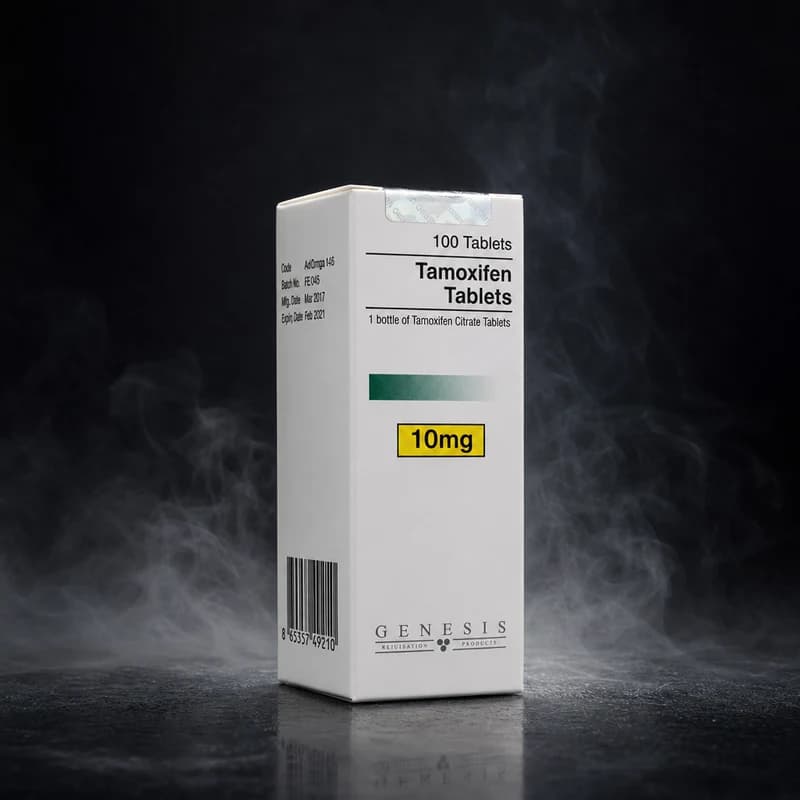
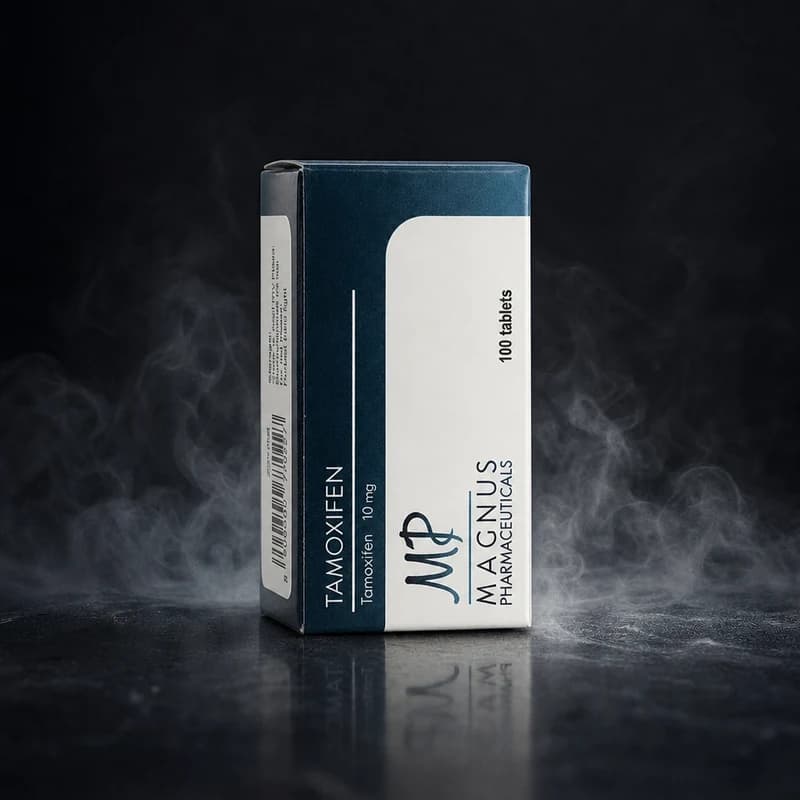
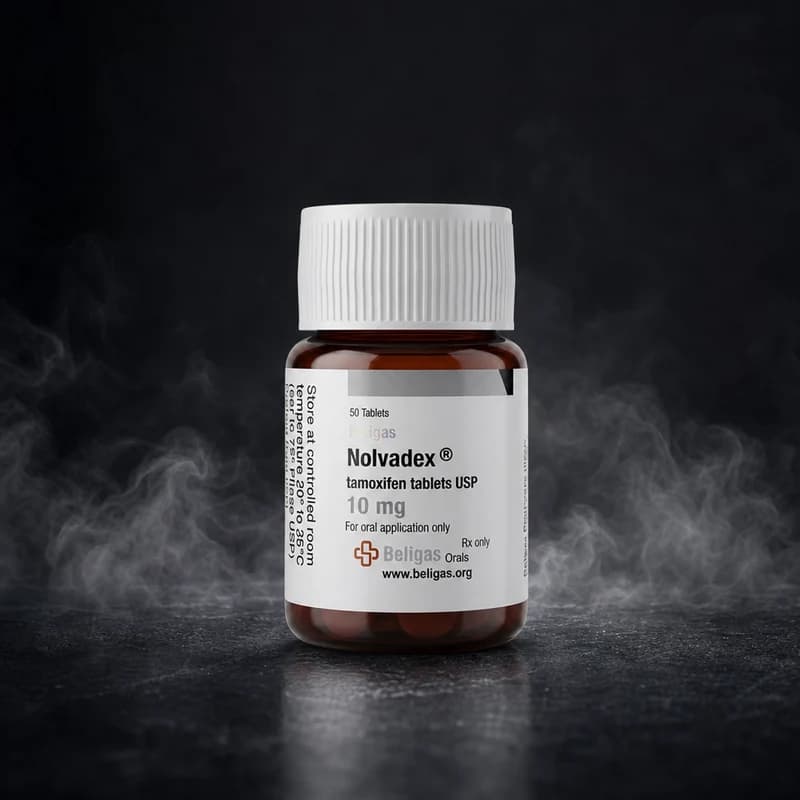
The 10 mg tablet tier is best suited to users running conservative on-cycle management doses, to individuals tapering down during the final weeks of PCT, or to those who prefer manual dose stacking for protocols that shift between, for example, 30 mg and 10 mg increments. Two strong options here are Nolvadex 10mg/tab 50 Tablets by Beligas Pharmaceuticals, a widely recognised pharmaceutical-grade trade name with consistent manufacturing standards, and Tamoxifen Tablets 10mg/tab 100 Tablets by Genesis, which offers the largest unit count in this concentration — ideal for extended PCT runs or for those who want a bulk supply to cover multiple lighter cycles.
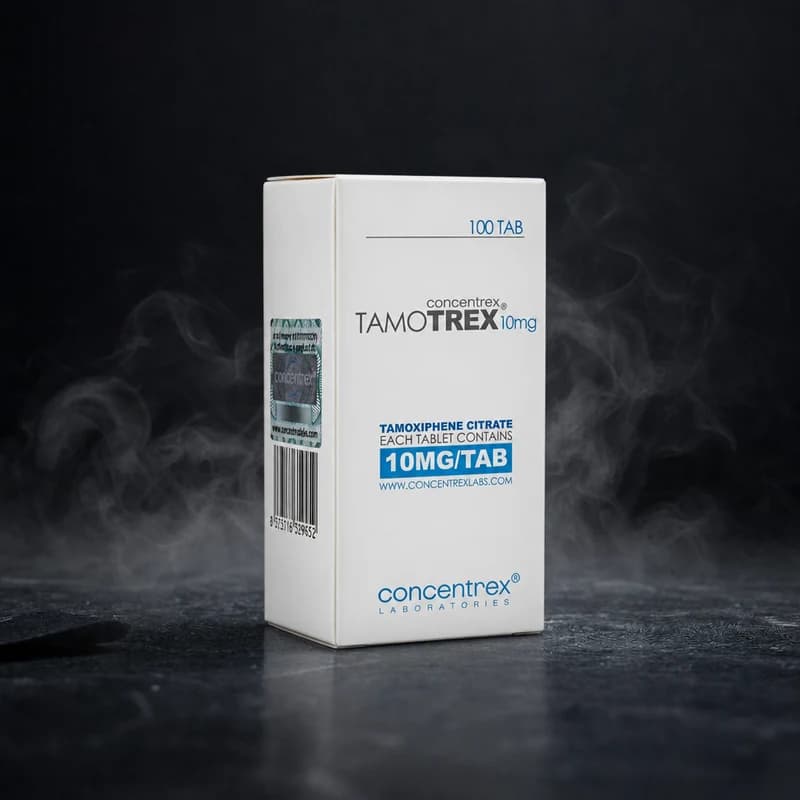
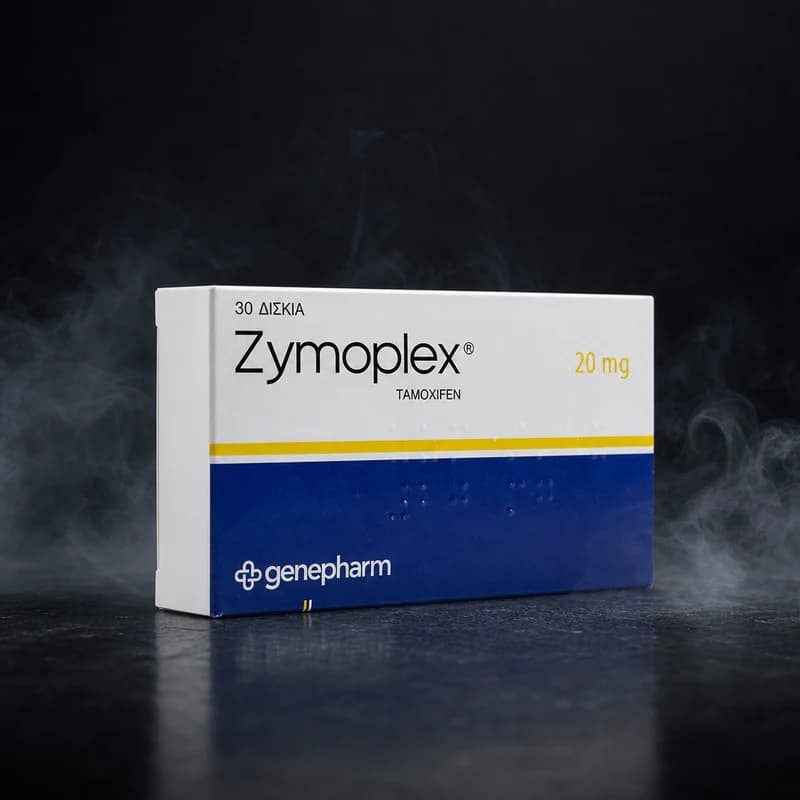
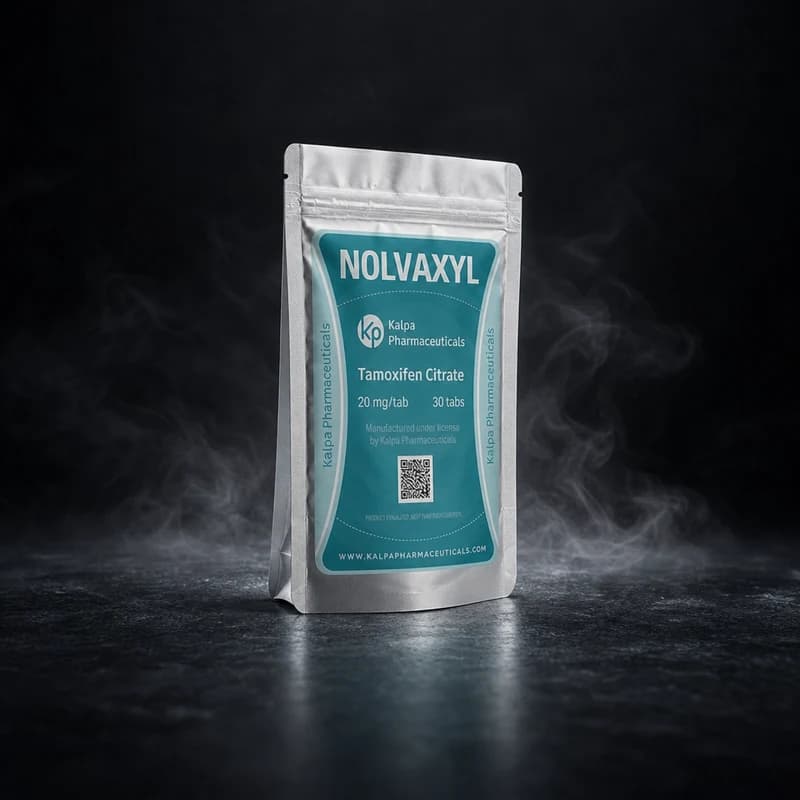
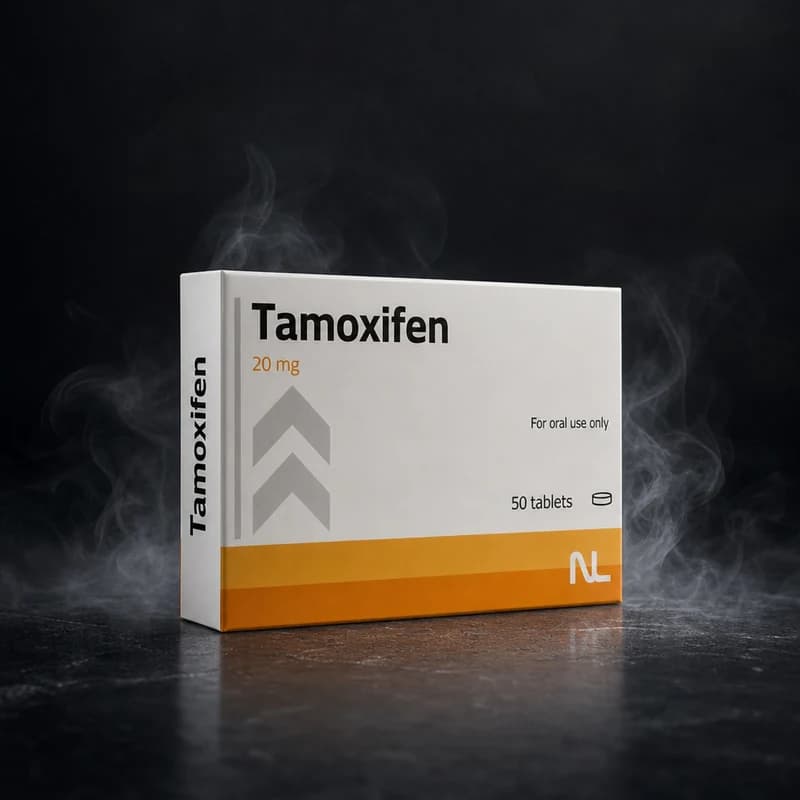
The 20 mg tablet tier covers the majority of standard PCT needs and is the more popular choice by volume. TamoTrex 20mg/tab 50 Tablets by Concentrex Labs delivers a clean 50-tab format that maps precisely onto a five-week protocol at 20 mg daily, with no wastage. For shorter, sharper protocols — four weeks at 20 mg daily or a two-week high/two-week mid split — Zymoplex 20mg/tab 30 Tablets by Genepharm and Nolvaxyl 20mg/tab 30 Tablets by Kalpa Pharmaceuticals are appropriately sized. Tamoxifen Citrate 20mg/tab 50 Tablets by Hilma Biocare rounds out the tier with a brand known for third-party quality assurance, appealing to users who prioritise independently verified purity.
When selecting between tiers, the primary consideration is protocol design. Users running a six-week tapering PCT that begins at 40 mg per day will naturally consume tablets at twice the rate of someone maintaining a flat 20 mg daily dose; for the former, the 20 mg format with a larger pack size minimises mid-protocol reordering. Those who split their dose across morning and evening for improved tolerability may also find the 10 mg format more practical. Across all twelve products from twelve manufacturers listed in this category, the range is sufficiently broad to support every common tamoxifen use case with an appropriately matched product.
Frequently Asked Questions
What is the difference between tamoxifen citrate and an aromatase inhibitor for on-cycle oestrogen control?
Tamoxifen citrate blocks oestrogen receptors in breast tissue without reducing circulating oestrogen levels, whereas aromatase inhibitors prevent the conversion of androgens into oestrogen at source. Tamoxifen therefore preserves oestrogen's systemic benefits — including joint support and cardiovascular health — making it a more selective option when the concern is specifically gynaecomastia prevention rather than broad oestrogen suppression.
How long should a tamoxifen PCT protocol typically run?
Most protocols run four to six weeks. A standard approach uses 40 mg daily for the first two weeks to aggressively stimulate LH and FSH recovery, then 20 mg daily for a further two to four weeks. Shorter cycles with milder compounds may be adequately managed with a flat four-week, 20 mg daily protocol. Individual response and cycle history influence optimal duration.
Is a 10 mg tablet or a 20 mg tablet format more practical for post-cycle therapy?
The 20 mg tablet is the most practical for the majority of standard PCT protocols, as the most common therapeutic doses — 20 mg and 40 mg daily — align neatly with one or two tablets. The 10 mg format offers greater precision for conservative on-cycle use, fine-grained tapering, or for users who need to customise intermediate dose increments such as 30 mg daily.


 Lab Tested