SERM vs. Aromatase Inhibitor: Two Distinct Mechanisms, Two Distinct Roles
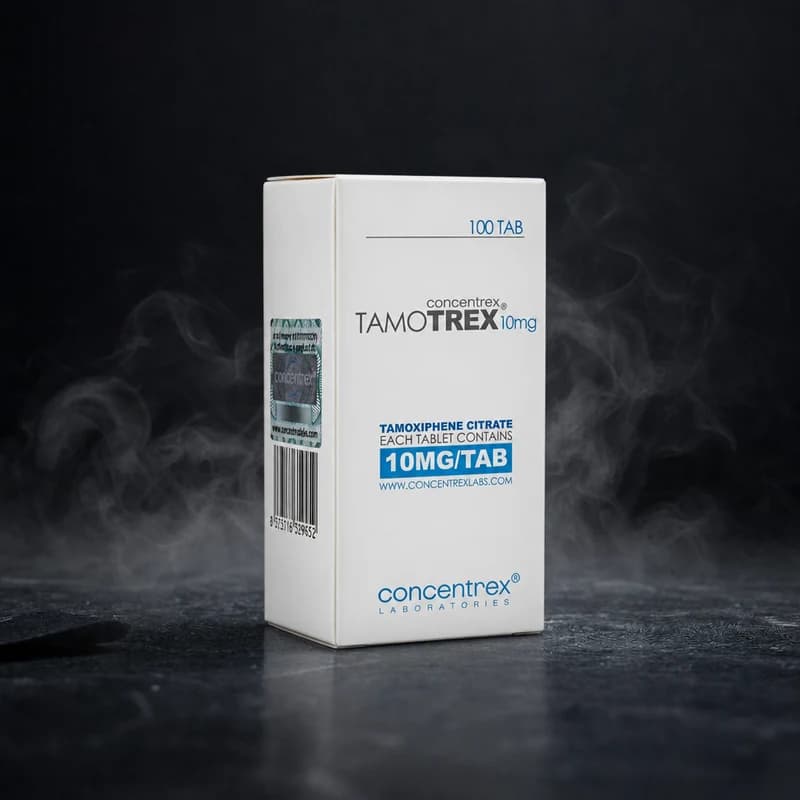
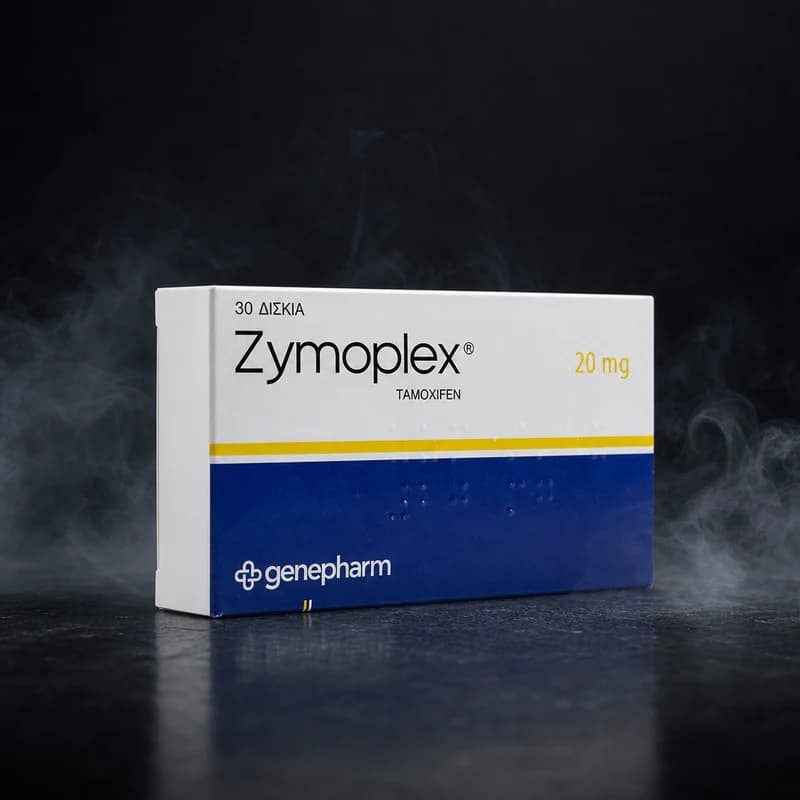
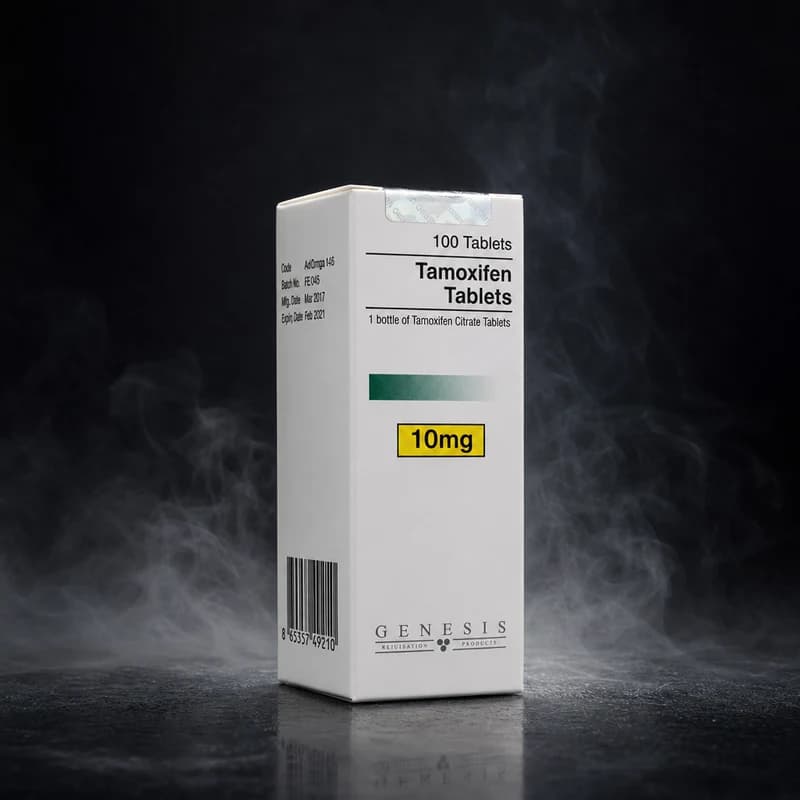
Tamoxifen Citrate acts as a selective estrogen receptor modulator, meaning it competes with estrogen for receptor binding at the hypothalamic and pituitary level without reducing the amount of estrogen circulating in plasma — a mechanism fundamentally different from aromatase inhibitors, which suppress the CYP19A1 enzyme responsible for converting androgens into estradiol. Aromatase inhibitors lower systemic estrogen concentrations; SERMs like Tamoxifen Citrate leave estradiol levels intact while preventing it from binding at targeted receptor sites. This distinction determines which agent belongs in which clinical context.
Compared to aromatase inhibitors, Tamoxifen Citrate does not strip estrogen from the bloodstream entirely — and that matters because physiological estrogen levels support bone mineral density, cardiovascular lipid profiles, and libido during recovery. SERMs selectively block estrogenic signalling at the pituitary, thereby removing the negative feedback that suppresses GnRH pulsatility, which in turn allows luteinizing hormone (LH) and follicle-stimulating hormone (FSH) output to resume. This selective action makes Tamoxifen Citrate the pharmacological agent of choice for endogenous testosterone restoration following androgenic cycles.
When to Choose a SERM, When to Choose an AI, and When to Combine Both
Aromatase inhibitors are typically deployed on-cycle, when elevated testosterone — whether endogenous or exogenous — aromatizes at a rate sufficient to produce supraphysiological estradiol and associated side effects such as water retention or gynecomastia risk. Tamoxifen Citrate, by contrast, fulfils its primary function after the androgenic cycle concludes, working during the recovery window when gonadotropin signalling needs to be reinitiated rather than estrogen production suppressed. Using an AI during PCT carries a specific risk: driving estradiol below reference range suppresses the estrogenic environment that supports spermatogenesis and cardiovascular health, making recovery suboptimal. Clinical guidance — including the Endocrine Society's male hypogonadism framework — recommends SERM-based protocols for fertility-preserving recovery precisely because systemic estrogen is preserved.
Co-administration of a SERM and an AI during the same PCT phase is occasionally practised but requires careful estradiol monitoring, as the combination risks driving serum estradiol below 20 pg/mL — a level associated with bone loss, joint discomfort, and suppressed libido. Sterling Knight's 10 mg tablet denomination supports a granular, phase-specific dosing approach within any combination strategy, allowing weekly dose adjustments without tablet splitting. Each production lot is released only after passing HPLC potency verification and GMP-compliant manufacturing documentation, ensuring analytical certainty at the 10 mg unit dose.
Practical Dosing Within the SERM-vs-AI Framework
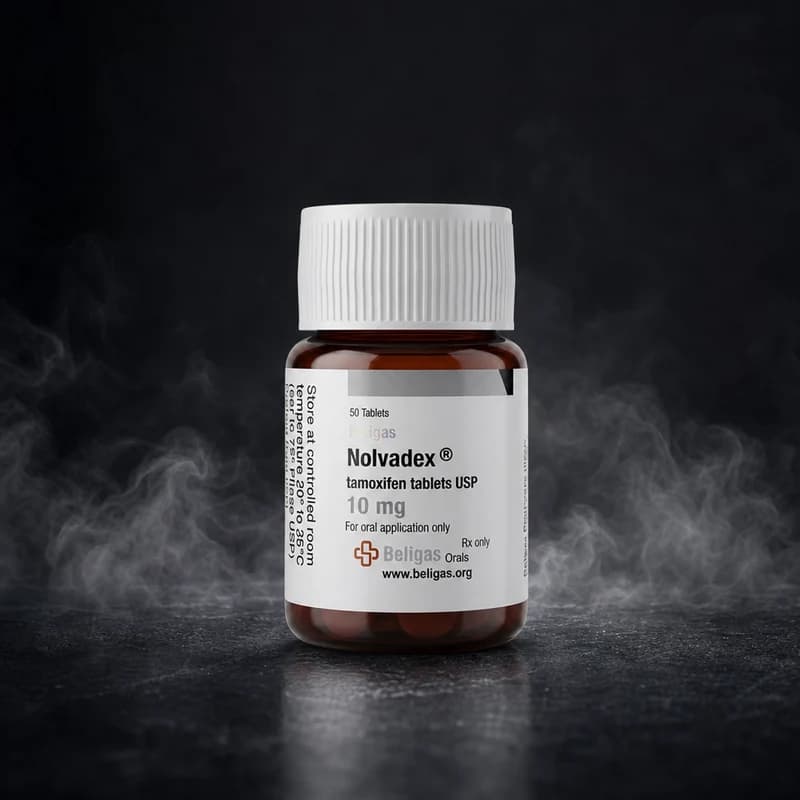
Sterling Knight Pharmaceuticals supplies Tamoxifen Citrate in the 10 mg denomination specifically suited to protocols that require dose flexibility across multiple phases — a feature particularly relevant when co-ordinating SERM introduction after discontinuing on-cycle AI use.

 Lab Tested