Letrozole is a non-steroidal, third-generation aromatase inhibitor that selectively and reversibly suppresses oestrogen biosynthesis by competitively binding the cytochrome P450 aromatase enzyme (CYP19A1).
Mechanism & Pharmacology of Letrozole
Letrozole achieves its primary effect by targeting aromatase, the enzyme responsible for converting androgens — principally testosterone and androstenedione — into oestrogens such as oestradiol (E2) and oestrone. By occupying the active site of CYP19A1, letrozole prevents the aromatisation reaction from completing, driving circulating oestradiol levels downward with a degree of suppression that distinguishes it sharply from older-generation agents. In clinical pharmacology studies, letrozole suppresses systemic oestrogen levels by up to 98–99% at therapeutic doses, a figure that underscores both its potency and the caution required when integrating it into a structured protocol.
After oral administration, letrozole reaches peak plasma concentration (Tmax) within approximately one to two hours and demonstrates an oral bioavailability of nearly 100%, meaning systemic exposure is highly consistent regardless of whether it is taken in a fed or fasted state. The elimination half-life of letrozole sits in the range of 41–42 hours in most adults, which supports once-daily dosing and produces relatively stable plasma concentrations across a 24-hour window. Steady-state plasma levels are reached within two to six weeks of regular administration, at which point the full magnitude of oestrogen suppression becomes measurable.
Unlike steroidal aromatase inhibitors such as exemestane, letrozole does not bind the androgen receptor and carries no intrinsic androgenic or oestrogenic activity of its own. Its mechanism is purely enzymatic inhibition. The drug is extensively metabolised in the liver via CYP3A4 and CYP2A6 pathways, with the inactive carbinol metabolite accounting for the bulk of urinary excretion. Renal impairment has minimal impact on its pharmacokinetics, making it a relatively predictable agent in terms of individual response, though hepatic function remains a relevant consideration for those running high-dose anabolic protocols concurrently.
Letrozole also exerts a meaningful effect on the hypothalamic-pituitary-gonadal (HPG) axis. Because oestrogen exerts negative feedback on LH and FSH secretion at the pituitary and hypothalamus, reducing circulating oestradiol with letrozole elevates gonadotropin output, which in turn stimulates endogenous testosterone production. This secondary action is pharmacologically distinct from that of selective oestrogen receptor modulators (SERMs), which block ER at the receptor level rather than reducing ligand availability, and it explains why letrozole is sometimes incorporated into fertility and testosterone optimisation protocols.
Application Context & User Groups
In bodybuilding and performance contexts, letrozole is employed primarily to manage oestrogen-related side effects that arise during anabolic-androgenic steroid (AAS) cycles, particularly those involving highly aromatising compounds such as testosterone enanthate, testosterone cypionate, nandrolone, and boldenone. Elevated oestradiol in this setting is associated with water retention, subcutaneous bloat, gynaecomastia, and alterations in lipid profile. Because letrozole suppresses aromatase so aggressively, it is typically reserved for situations where milder aromatase inhibitors — anastrozole being the most common first-line alternative — have proved insufficient, or where oestrogen levels are acutely elevated and rapid suppression is required.
The user groups who most commonly reference letrozole in sports pharmacology literature include intermediate-to-advanced steroid users running high-dose or stacked cycles, individuals with a personal history of gynaecomastia who are inherently more sensitive to oestrogen fluctuations, and athletes seeking to produce a hard, dry, low-water-retention physique in the final weeks before competition. Because oestrogen plays meaningful roles in joint lubrication, lipid regulation, libido, mood, and bone mineral density, suppressing it to near-zero for extended periods carries trade-offs that experienced users treat seriously.
There is also documented use of letrozole in post-cycle therapy (PCT) bridge protocols, specifically in cases where endogenous testosterone recovery is sluggish and elevated oestrogen is identified as the limiting factor. In this context it may be used briefly alongside or preceding SERM-based PCT, with the specific objective of clearing oestrogen-mediated negative feedback before the SERM takes over receptor-level stimulation.
It is worth noting that letrozole is classified as a prescription-only medicine in the UK and many other jurisdictions, and this content is provided for informational and harm-reduction purposes. Individuals considering its use should seek qualified medical guidance.
Range & Selection by Concentration and Pack Size
Our letrozole category encompasses five products from five distinct manufacturers, available in two concentration tiers — 2.5 mg per tablet and 5 mg per tablet — and four pack sizes ranging from 30 to 100 tablets, giving users meaningful flexibility depending on cycle length, dosing strategy, and budget.
The 2.5 mg tier is by far the most widely adopted in bodybuilding practice and corresponds to the standard oncology therapeutic dose, which provides a useful benchmark for understanding suppressive potency. Four of the five products in this category occupy this tier.
Mono-Femara 2.5 mg/tab 50 Tablets by Beligas Pharmaceuticals offers a mid-range pack size suitable for a 7–10 week cycle when dosed every other day or as an on-demand suppression tool. Beligas has built a reputation in the pharmaceutical-grade underground market for consistent tablet pressing and accurate dosing.
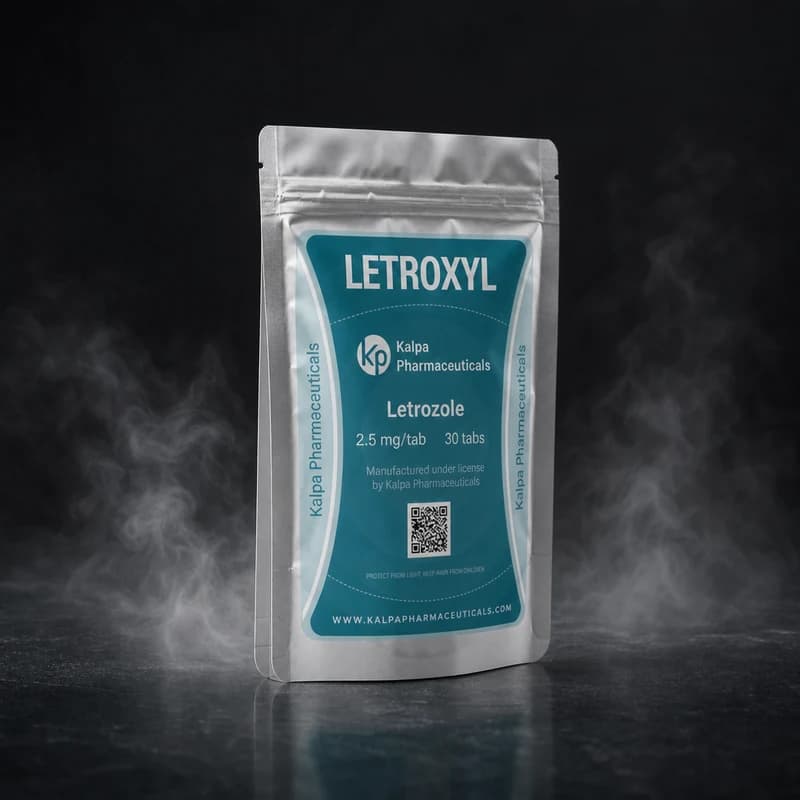
Letroxyl 2.5 mg/tab 30 Tablets by Kalpa Pharmaceuticals is a compact 30-tablet option, appropriate for shorter protocols, trial runs, or users who want to keep inventory tightly managed. Kalpa's Letroxyl line is well-established and widely referenced in community testing logs.
NordiLetrox 2.5 mg/tab 100 Tablets by Nordi Pharma represents the largest pack in the 2.5 mg tier and delivers the best per-tablet value for users who plan longer-duration cycles or who maintain letrozole as a cycle-support staple across multiple consecutive programmes.
Letrozol 2.5 mg/tab 60 Tablets by Sterling Knight Pharmaceuticals sits between the Kalpa and Nordi Pharma options in terms of pack volume and offers users a well-regarded domestic-style product with straightforward packaging and clear labelling.
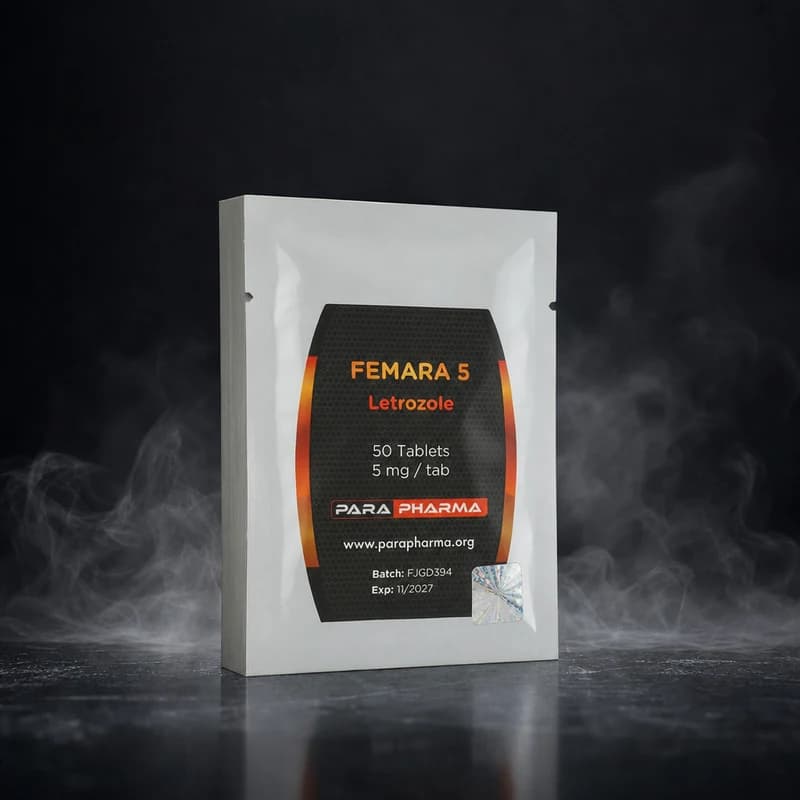
The 5 mg tier is represented by a single product: Femara 5 5 mg/tab 50 Tablets by Para Pharma. At double the standard concentration, each tablet delivers a full 5 mg dose, which is occasionally referenced in acute oestrogen-management situations or for users who prefer to split tablets to achieve flexible dosing at reduced per-unit cost. Para Pharma operates as a well-known name in the performance market, and the Femara 5 product is notable for giving experienced users granular control when half a tablet equates to the standard 2.5 mg reference dose.
Guidance by user type: users new to aromatase inhibition should begin with the 2.5 mg tier, typically at the lowest effective frequency. Users with established protocols and documented oestrogen sensitivity may find the 5 mg tablet a practical tool for both standard and elevated-dose management.
Frequently Asked Questions
How does letrozole differ from anastrozole for bodybuilding use?
Both are non-steroidal aromatase inhibitors, but letrozole is considerably more potent, suppressing oestradiol by up to 98–99% compared to anastrozole's approximately 85%. Anastrozole is typically preferred as a first-line AI during standard cycles, while letrozole is reserved for high-aromatising stacks, acute oestrogen flares, or individuals who do not respond adequately to anastrozole. The aggressive suppression of letrozole makes oestrogen crash a real risk if dose management is imprecise.
Can letrozole be used during post-cycle therapy (PCT)?
Letrozole is occasionally used in the early bridge phase of PCT to clear oestrogen-mediated suppression of the HPG axis before transitioning to a SERM such as tamoxifen or clomiphene. Because it elevates LH and FSH indirectly by reducing negative feedback, it can stimulate endogenous testosterone recovery. However, prolonged use during PCT risks over-suppression of oestrogen, which itself impairs recovery, so its application in this context is typically brief and targeted.
What pack size is most practical for a standard 10-week anabolic cycle?
For a standard 10-week cycle using letrozole at 2.5 mg every other day — a common conservative approach — approximately 35 tablets would cover the full duration. A 50-tablet pack such as the Mono-Femara by Beligas Pharmaceuticals or the Femara 5 by Para Pharma (split) provides comfortable coverage with a small buffer. The 30-tablet Letroxyl by Kalpa is adequate for shorter 8-week cycles at the same frequency.


 Lab Tested