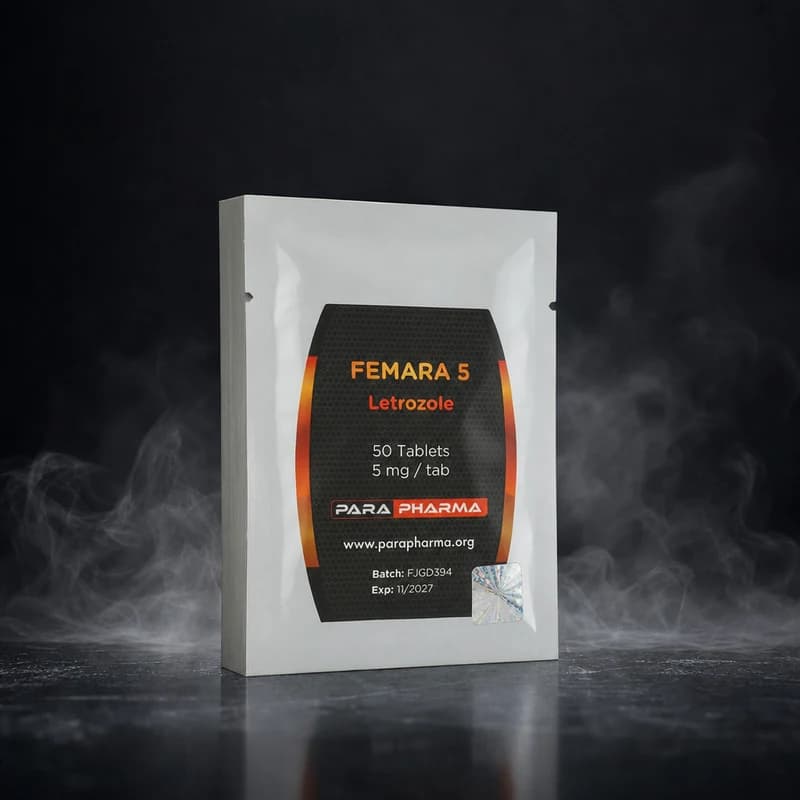
Contraindications: Mono-Femara is contraindicated in pre-menopausal women with intact ovarian function, pregnant women, and individuals with known hypersensitivity to letrozole or any tablet excipient.
Patients with severe hepatic impairment (Child-Pugh Class C) should not use letrozole without clinical supervision, as hepatic metabolism of the compound may be significantly prolonged.
Side Effects: Excessive estrogen suppression may cause joint pain (arthralgia), reduced libido, mood disturbance, and hot flashes — all indicative of E2 levels falling below the physiological floor (~20 pg/mL).
Prolonged aromatase inhibition has been associated with reductions in bone mineral density; this risk is amplified with extended PCT use beyond 6 weeks without monitoring.
Headache, fatigue, and mild gastrointestinal discomfort have been reported and are generally self-limiting as the body adjusts to reduced systemic estrogen.
Monitoring: Serum estradiol, LH, FSH, and total testosterone should be measured at PCT entry, week 2, and week 4–6 endpoint to guide dosing decisions.
A lipid panel is advisable during longer PCT phases, as sustained low estrogen affects HDL/LDL ratios — a recognised cardiovascular consideration in recovery-phase management.
PCT: Letrozole used at excessively high doses or for prolonged durations during PCT can over-suppress estradiol, paradoxically slowing rather than accelerating hormonal recovery.
When combining Letrozole with SERMs (e.g., clomiphene or tamoxifen) in a stacked PCT protocol, monitor E2 closely — the combined anti-estrogenic burden may require dose reduction of one agent.
Do not abruptly discontinue Letrozole after extended use; taper over the final 1–2 weeks of PCT to prevent rebound estrogen surges as aromatase enzyme activity normalises.

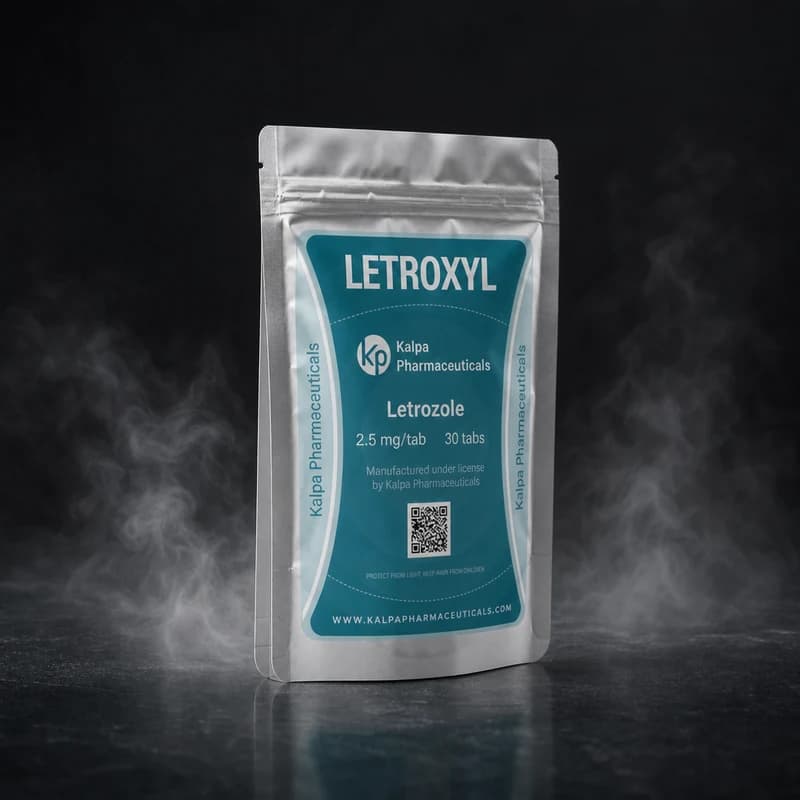 HPLC Verified