HCG Mechanism & Pharmacology: How Chorionic Gonadotropin Restores the HPG Axis
Human chorionic gonadotropin is a glycoprotein hormone structurally homologous to luteinising hormone (LH), sharing the identical beta-subunit binding conformation that activates the LH/hCG receptor on Leydig cells within the testes. Because the pituitary gland becomes suppressed during anabolic steroid use — a state clinically defined as secondary hypogonadism — endogenous LH secretion drops to near zero, and the Leydig cells undergo functional atrophy through receptor down-regulation and reduced steroidogenic enzyme activity. HCG corrects this deficit directly at the testicular level, bypassing the suppressed hypothalamic-pituitary axis entirely.
Upon binding to the LH/hCG receptor, HCG activates the adenylyl cyclase pathway, increasing intracellular cyclic AMP (cAMP) and stimulating the StAR (steroidogenic acute regulatory) protein. StAR transports cholesterol across the inner mitochondrial membrane, where the CYP11A1 enzyme cleaves the side chain to produce pregnenolone — the rate-limiting step in testosterone biosynthesis. Downstream, CYP17A1 and 3β-HSD enzymes complete the conversion to testosterone. The net result is a sharp rise in intratesticular testosterone (ITT), which is critical for maintaining spermatogenesis and Leydig cell mass during or after a cycle.
Pharmacokinetically, HCG administered by intramuscular or subcutaneous injection reaches peak serum concentrations within 6 hours, with a biphasic half-life: the initial phase lasts approximately 11 hours and the terminal elimination phase approximately 23 hours, giving an effective biological window of around 36–48 hours per injection. Bioavailability via intramuscular injection is effectively complete (near 100%), unlike oral administration, which is entirely ineffective due to proteolytic degradation in the gastrointestinal tract. Renal excretion is the primary elimination route, with intact HCG and metabolite fragments measurable in urine — the basis of commercial pregnancy tests.
A clinically important pharmacodynamic consideration is receptor desensitisation: sustained, high-dose HCG administration paradoxically suppresses Leydig cell sensitivity by internalising and down-regulating LH/hCG receptors. For this reason, protocols using shorter-burst, lower-frequency dosing — typically 500–1000IU every 3–4 days — are pharmacologically preferable to daily high-dose regimens for post-cycle recovery contexts.
HCG Application Context & User Groups
HCG occupies a precise and non-substitutable role in post-cycle therapy (PCT) planning within the bodybuilding and performance community. Its primary function is to restore testicular volume and Leydig cell responsiveness prior to — or concurrently with — the introduction of selective oestrogen receptor modulators (SERMs) such as tamoxifen or clomiphene citrate. SERMs work by stimulating pituitary LH secretion from above, but if the testes have been dormant for an extended cycle, Leydig cells may fail to respond adequately even when pituitary signalling resumes. HCG essentially primes the target tissue so that the SERM phase is effective.
Beyond PCT, HCG is used intra-cycle by athletes running long-duration protocols exceeding 10–12 weeks, where testicular atrophy becomes pronounced. Small maintenance doses — often 250–500IU twice weekly — are introduced mid-cycle specifically to preserve testicular size and ITT levels, without the goal of full post-cycle recovery at that stage. This application reduces the severity of suppression that must be reversed later.
A distinct user group includes individuals undergoing medically supervised testosterone replacement therapy (TRT) who wish to preserve fertility and prevent complete testicular suppression. In this context, HCG is co-administered with exogenous testosterone to maintain spermatogenesis — a use that has substantial endocrinological literature behind it, including studies demonstrating maintained sperm parameters with concurrent hCG at 500IU three times weekly.
Regarding the broader user profile: HCG is not a performance-enhancing compound in itself; it produces no direct anabolic effect, does not increase skeletal muscle protein synthesis, and does not improve athletic performance metrics. Its role is entirely restorative and supportive, making it relevant only to users who have introduced exogenous androgens and wish to manage hormonal homeostasis responsibly.
It is worth noting that HCG is a prescription-only medicine in the United Kingdom, regulated under the Medicines Act 1968. Its possession and supply without a valid prescription carries legal implications, and this category is presented for informational purposes in line with harm-reduction principles.
Range & Selection by Concentration and Pack Size
The HCG products available in this category are standardised at a single concentration tier — 5000IU per ampoule — reflecting the most clinically established and widely distributed formulation of human chorionic gonadotropin in international pharmaceutical markets. All products require reconstitution with the supplied bacteriostatic water or sodium chloride solution prior to injection, as they are supplied as lyophilised (freeze-dried) powder.
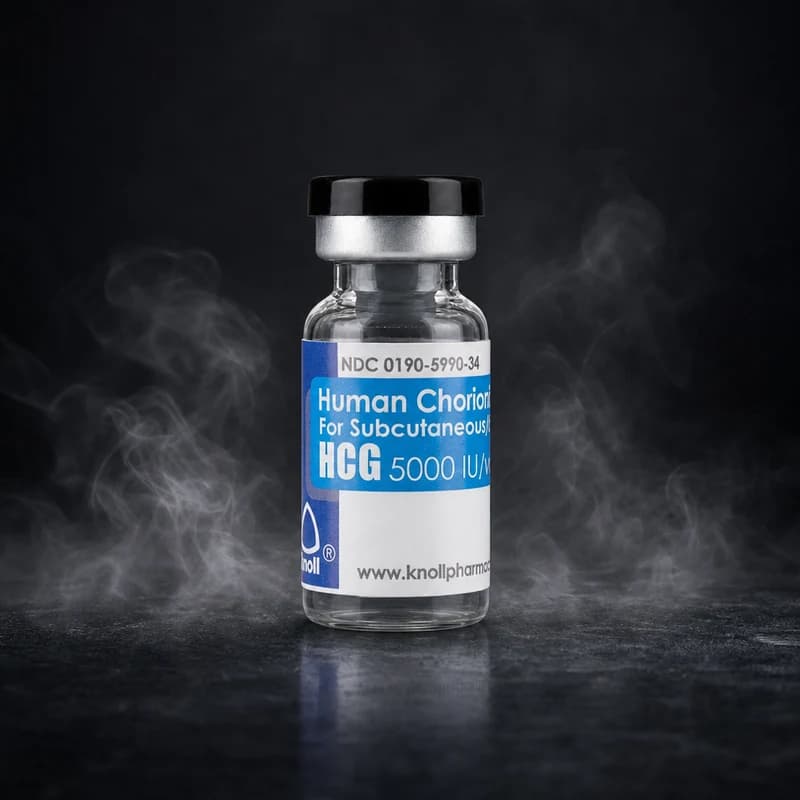
HCG 5000IU/amp by Knoll Pharmaceuticals represents a pharmaceutical-grade ampoule format suitable for users requiring precise, single-use dosing from a trusted manufacturing source. A single 5000IU ampoule, when reconstituted, allows multiple injections at the 500–1000IU dose range — typically providing 5–10 individual doses, making it efficient for short burst PCT protocols.
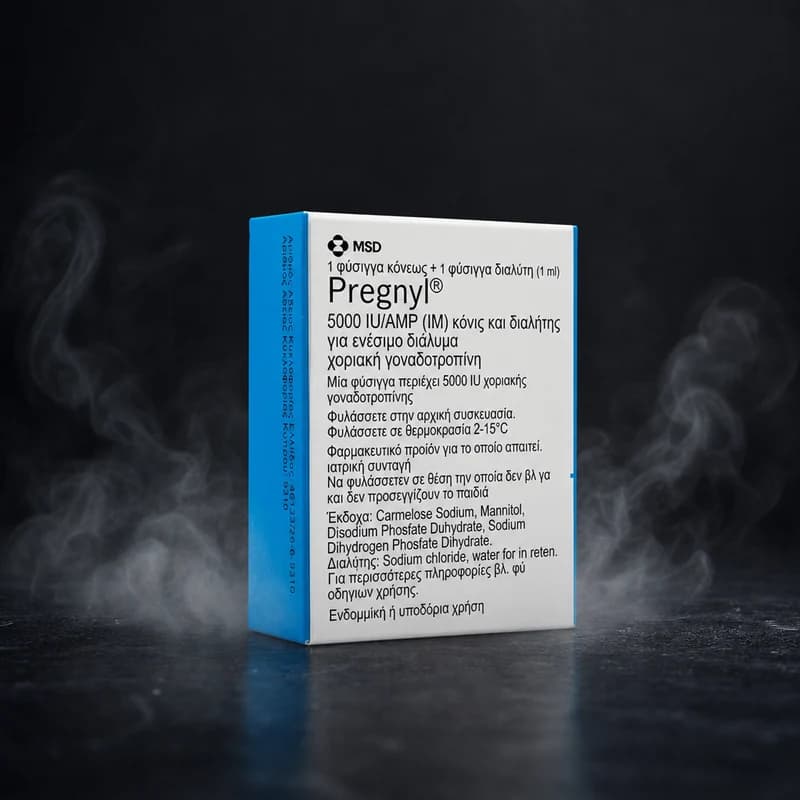
Pregnyl 5000IU/amp by MSD (Merck Sharp & Dohme) is arguably the most recognised brand-name HCG formulation globally, with decades of clinical use in reproductive medicine and endocrinology. Pregnyl carries particular credibility among knowledgeable users precisely because of its widespread legitimate pharmaceutical distribution, well-documented stability characteristics, and consistent manufacturing quality under GMP conditions. For users who prioritise brand provenance, Pregnyl is the reference-standard choice within this concentration tier.
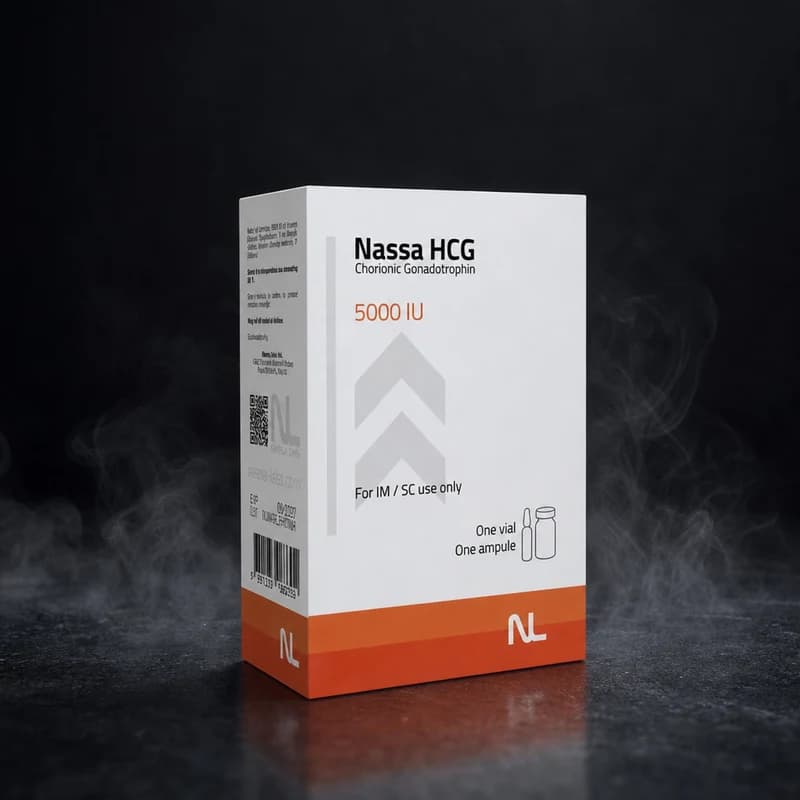
HCG 5000IU/amp by Nassa Labs provides an alternative single-ampoule option within the same concentration format, catering to users who prefer supplier diversification within an established dosing architecture.
Because all three products share the identical 5000IU/amp, 1-ampoule format, selection within this category is primarily driven by brand preference, provenance confidence, and supplier availability rather than dosing differentiation. For intra-cycle maintenance at lower doses (e.g. 250IU twice weekly), a single 5000IU ampoule, once reconstituted and stored refrigerated, can serve approximately 4–5 weeks of consistent use — provided the reconstituted solution is used within 30 days and maintained at 2–8°C throughout.
Users new to HCG reconstitution should note that the lyophilised powder is highly sensitive to temperature extremes and agitation; gentle swirling — not shaking — is the correct mixing technique to preserve protein structure and biological activity.
Frequently Asked Questions
What is the difference between HCG and a SERM like clomiphene or tamoxifen in PCT?
HCG acts directly on the testes to stimulate testosterone production, bypassing the pituitary axis. SERMs work by blocking oestrogen feedback at the hypothalamus and pituitary, increasing LH output. They target different parts of the hormonal axis, which is why they are often used sequentially — HCG first to prime the testes, then a SERM to restore natural signalling from above.
How should a reconstituted HCG ampoule be stored, and how long does it remain viable?
Once reconstituted with bacteriostatic water, HCG solution should be refrigerated immediately at 2–8°C and used within 30 days. Exposure to heat, light, or freezing will degrade the protein structure. Always use the supplied diluent or pharmaceutical-grade bacteriostatic water — standard water for injection lacks the preservative needed for multi-dose storage.
Can HCG be used during a steroid cycle, or only afterwards in PCT?
HCG can be used both intra-cycle and post-cycle, serving different purposes. During a long cycle (10+ weeks), low-dose intra-cycle HCG — typically 250–500IU twice weekly — helps maintain testicular volume and Leydig cell responsiveness. In PCT, a short burst at higher doses (500–1000IU every 2–3 days for 2–3 weeks) is used to reactivate testicular function before SERMs are introduced.


 Lab Tested