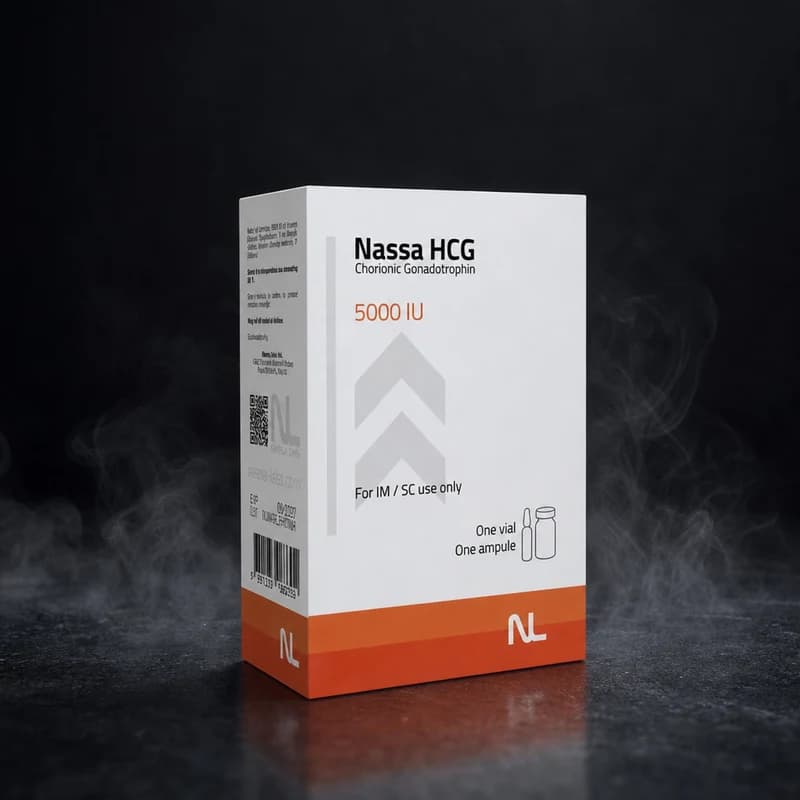
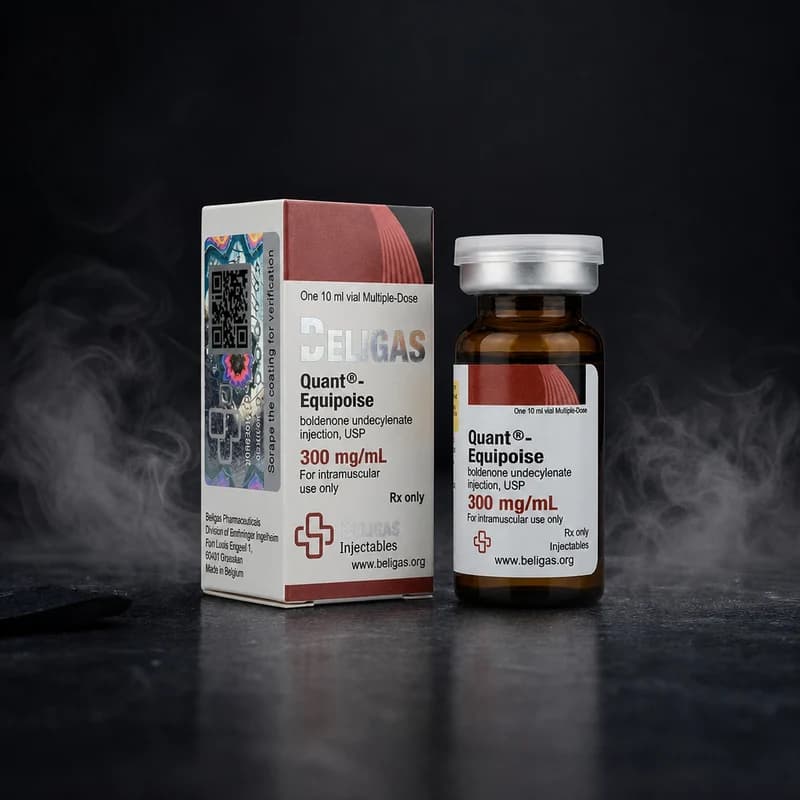
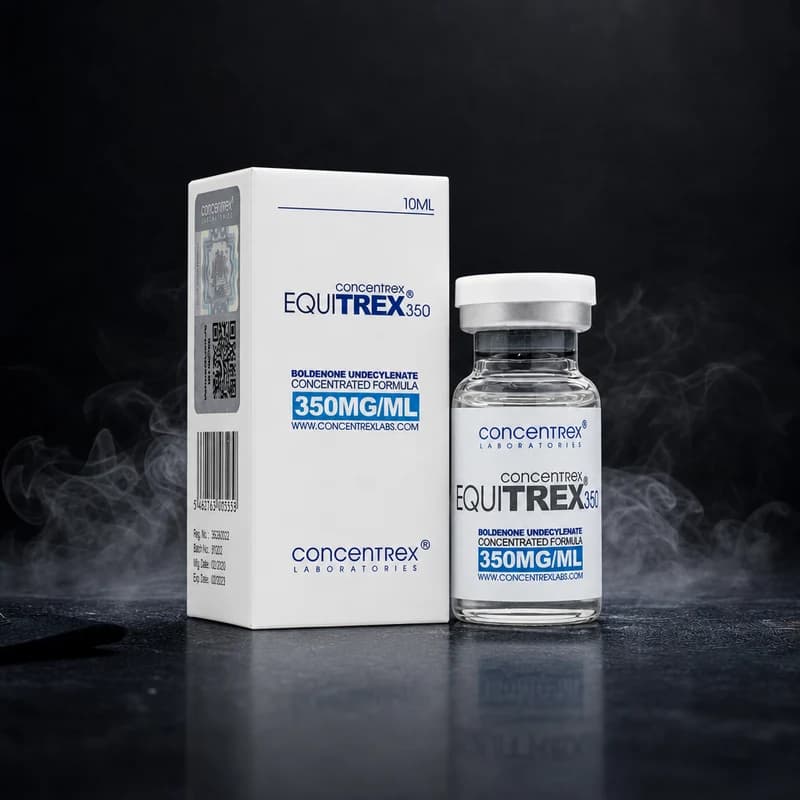
contraindications: Hormone-sensitive tumours (testicular, prostatic, or hypothalamic origin) — HCG stimulates steroidogenesis and may accelerate tumour growth.
Confirmed hypersensitivity to human chorionic gonadotropin or any excipient in the Pregnyl formulation.
Active thromboembolic disorder — supraphysiological testosterone induced by HCG can transiently elevate haematocrit.
Precocious puberty in adolescent males — gonadotropin stimulation is contraindicated until growth plates have closed.
side_effects: Gynaecomastia risk: elevated intratesticular testosterone aromatises to oestradiol; consider a low-dose aromatase inhibitor if oestrogen rises symptomatically.
Injection-site reactions: transient redness, swelling, or bruising at subcutaneous injection sites, typically resolving within 48 hours.
Mood variability: rapid fluctuations in testosterone during the loading phase may cause temporary irritability or libido changes.
Water retention: oestrogen-mediated sodium retention can cause mild oedema, particularly around the ankles and wrists.
monitoring: Obtain baseline bloodwork — total testosterone, LH, FSH, oestradiol, haematocrit — before initiating the HCG phase.
Retest at the midpoint of the HCG phase (day 7–10) to confirm testicular response and detect oestrogen elevation early.
Final bloodwork at week 6 of the SERM phase confirms whether endogenous axis recovery is complete.
pct: Do not extend HCG use beyond 20 days in a single PCT cycle — prolonged LH-receptor stimulation can cause downregulation, counterproductive to recovery goals.
Discontinue HCG before beginning SERM therapy; concurrent administration is not required in the modern two-stage model and may complicate oestrogen management.

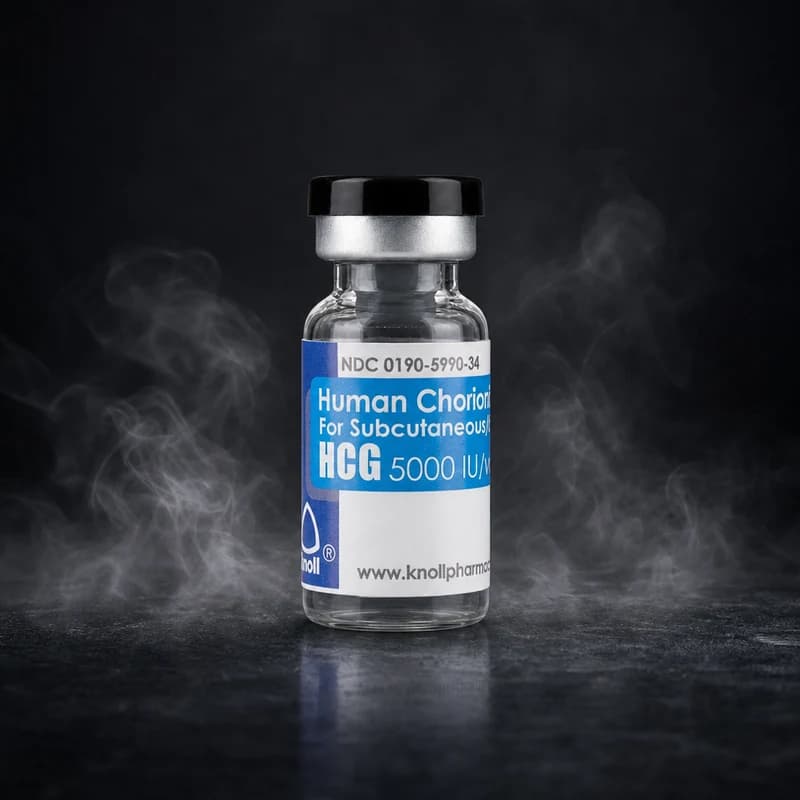 Lab Tested