Anastrozole as a Compound-Specific PCT Tool
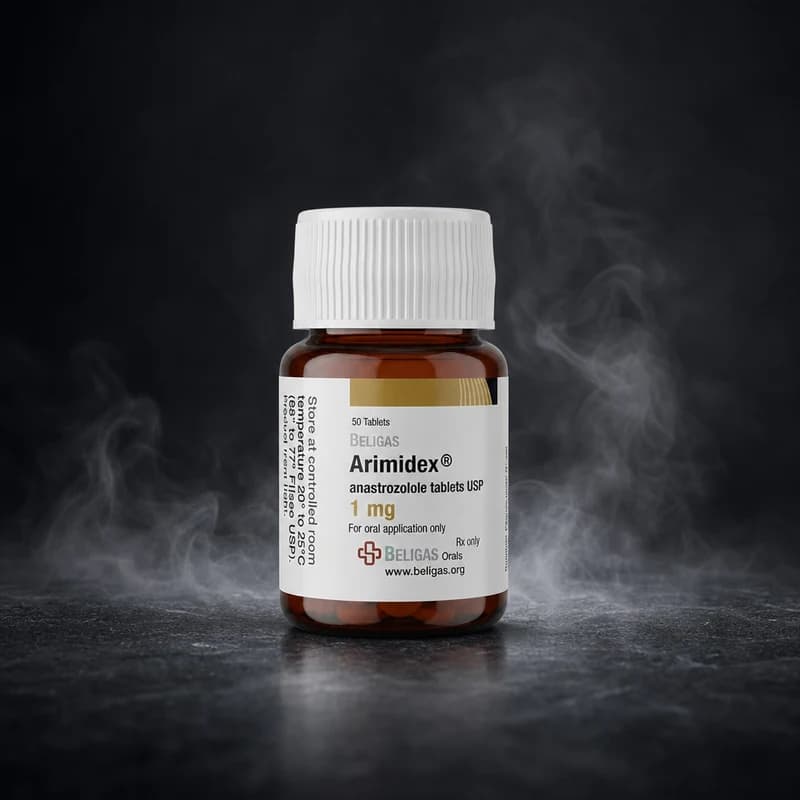
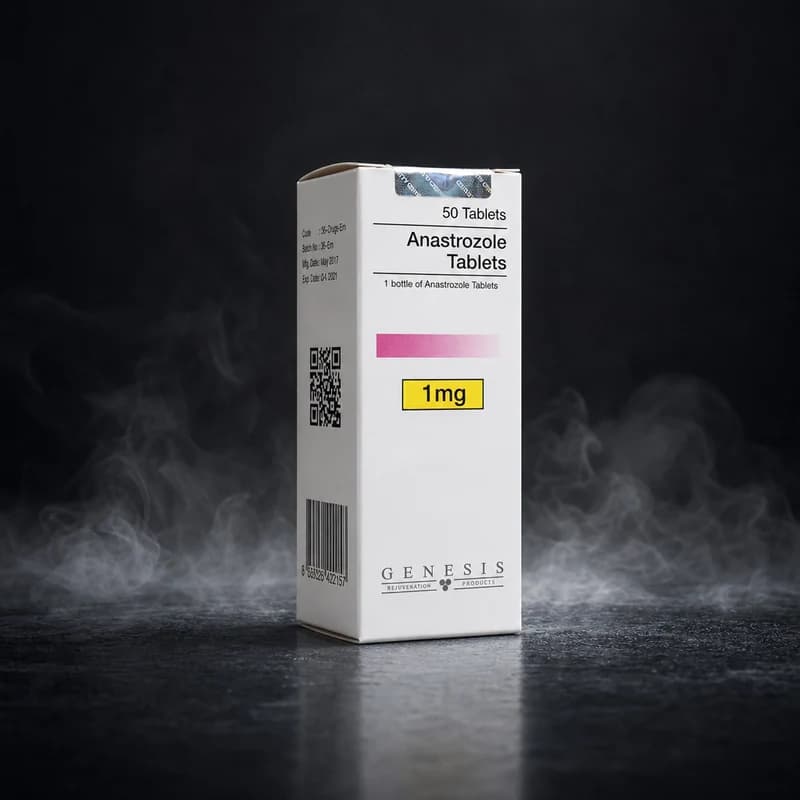
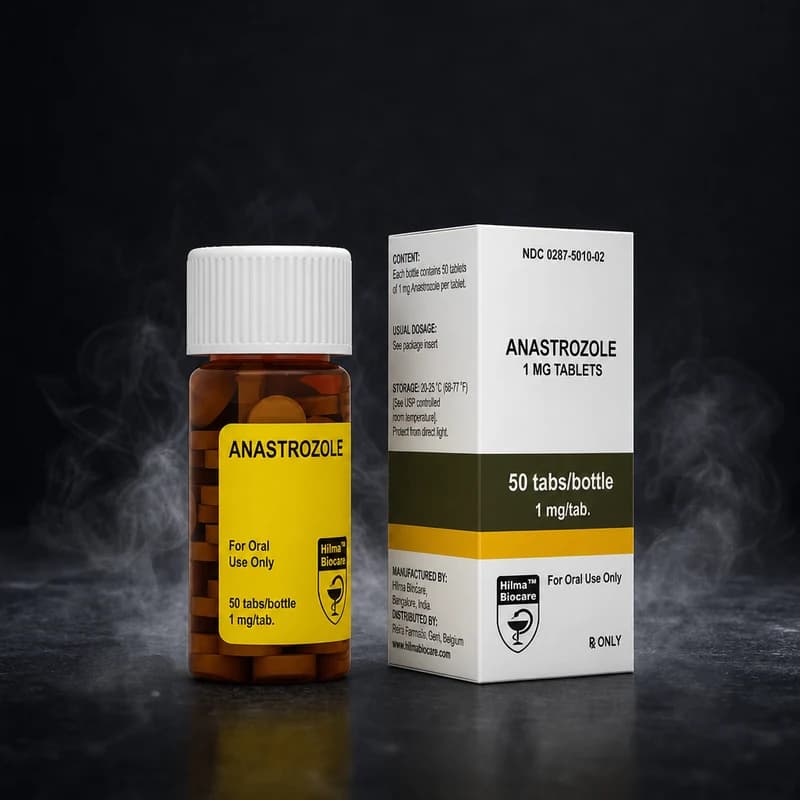
Anastrozole functions as a selective, competitive aromatase inhibitor whose role in post-cycle therapy is most precisely understood not as a generic estrogen suppressant but as a compound-matched intervention — because the aromatase burden, HPTA suppression depth, and washout trajectory each differ depending on whether the preceding cycle was built around testosterone esters, 19-nor compounds, or hepatic oral androgens. Sterling Knight Pharmaceuticals Anastrozol 1 mg/tab provides the tablet granularity required to adjust inhibition intensity across those distinct compound contexts. The 60-tablet pack supports extended or multi-phase compound-specific protocols without mid-protocol resupply.
How Compound Class Shapes PCT Aromatase Inhibition Requirements
Testosterone-based cycles generate the highest direct aromatase substrate load: testosterone itself is the primary precursor for estradiol via CYP19A1, so washout of long-chain testosterone esters (enanthate, cypionate, undecanoate) is accompanied by a sharp and clinically significant estradiol rise as androgen concentrations fall. Anastrozole addresses this aromatase-substrate surge directly, with peer-reviewed pharmacodynamic data confirming greater than 80 % suppression of whole-body aromatisation at the 1 mg dose in males.
Trenbolone cycles present a distinct scenario: Trenbolone does not aromatize, yet it suppresses the HPG axis profoundly — arguably more than equipotent doses of testosterone — while simultaneously elevating prolactin in a subset of users. Compared to a straight testosterone cycle, a Trenbolone PCT requires anastrozole to manage residual aromatizable androgens (testosterone base or esters often co-administered) rather than Trenbolone itself. Anastrozole controls that co-administered androgen's estrogenic washout while the primary Trenbolone-driven suppression demands complementary SERM and, where indicated, cabergoline strategies alongside it.
Nandrolone (Deca) converts to estradiol at roughly 20 % the rate of testosterone, but its decanoate ester has a half-life of approximately 6–7 days (clinical pharmacokinetic literature), meaning androgen exposure persists for 6–8 weeks post-last-injection before four-half-life washout is complete. Anastrozole's role in Deca-based PCT therefore extends further into the washout window compared to shorter ester protocols, maintaining CYP19A1 inhibition across a longer androgen-clearance timeline.
Oral-Cycle Considerations and Pack Design
Oral-only protocols (Turinabol, Oxandrolone, Dianabol) clear within 24–72 hours of the final dose, compressing the PCT entry point significantly relative to injectable ester cycles. For these protocols, anastrozole is relevant primarily where aromatizing orals such as Dianabol were used: methandienone aromatizes substantially, making estrogen control during PCT entry pharmacologically justified. Non-aromatizing oral-only cycles may require shorter or lower-intensity anastrozole intervention, and the 1 mg tablet format supports half-tablet dosing where clinical judgment favors reduced intensity.
Sterling Knight Pharmaceuticals subjects each Anastrozol production lot to HPLC content-uniformity testing against a pharmacopoeial reference standard, endotoxin screening by LAL assay, and GMP-qualified tablet compression — a three-point quality chain that ensures the declared 1 mg API content is a measured outcome, not a formulation assumption.

 Lab Tested