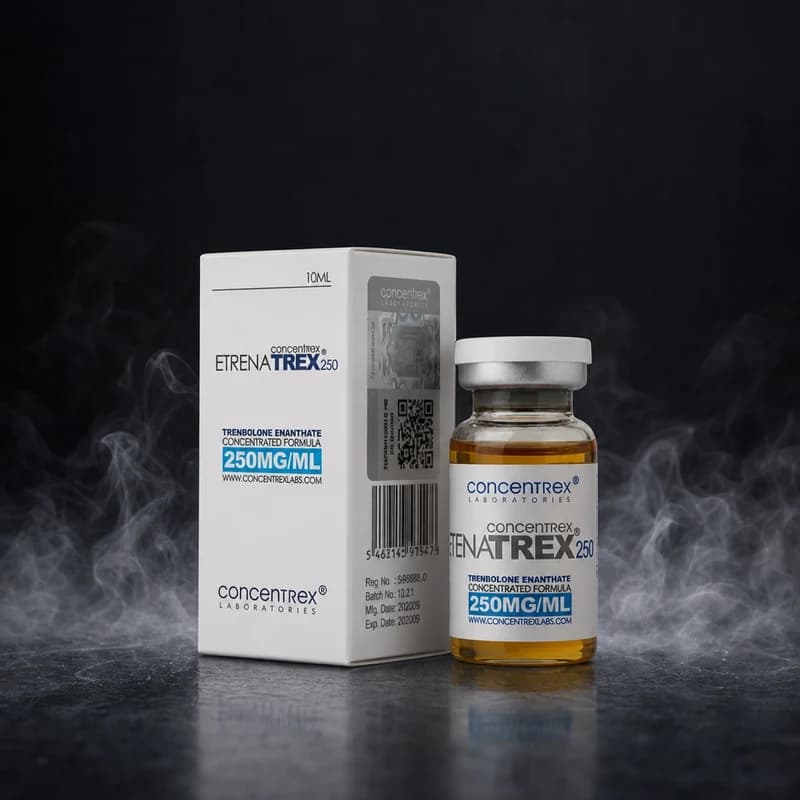
Contraindications: Trenabol is contraindicated in individuals with existing hepatic impairment, confirmed cardiovascular disease, hypersensitivity to Trenbolone or sesame/carrier oils, and those currently using other 19-nor compounds. Prostate conditions, elevated prolactin at baseline, and active psychiatric diagnoses are additional absolute contraindications.
Side Effects: Trenbolone Enanthate can cause androgenic effects including increased sebum production, accelerated scalp hair thinning in genetically predisposed individuals, and elevated aggression. Prolactin-mediated effects — including galactorrhoea and reduced libido — are a risk compounded dramatically by any co-administered 19-nor compound. Cardiovascular effects include suppressed HDL cholesterol, elevated LDL, and increased haematocrit; these are worsened by simultaneous use of hepatotoxic orals. Night sweats and reduced aerobic capacity are commonly reported and should prompt dose review.
Monitoring: Serum prolactin, full lipid panel, liver enzymes (ALT/AST), haematocrit, and blood pressure should be assessed at baseline, at week four, and at cycle conclusion. If a second compound is added mid-cycle, repeat prolactin and lipid testing within two weeks of introduction. Avoid adding new stack components without an intervening bloodwork checkpoint.
PCT: Post-cycle therapy should begin approximately 14–18 days after the final Trenabol ampoule, reflecting the enanthate ester's extended clearance window. A standard SERM protocol (Nolvadex or Clomid) for four to six weeks is the established approach. Prolactin normalisation should be confirmed via serum assay before PCT is considered complete, particularly if any progestogenic compound was co-administered during the cycle.

 High Concentration