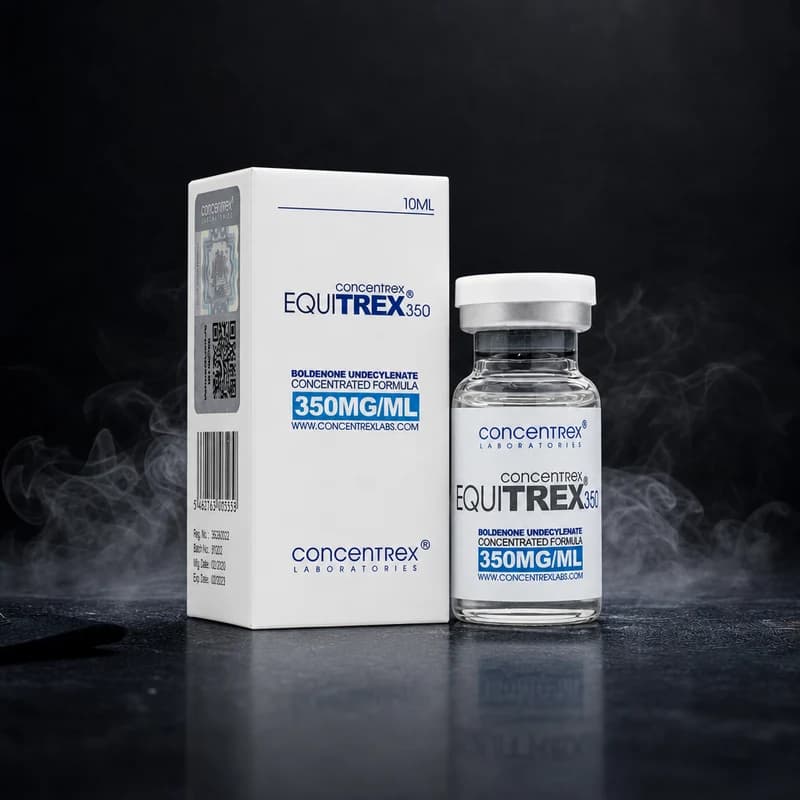
Contraindications: ETrenaTrex is contraindicated in individuals with known hypersensitivity to Trenbolone or any component of the formulation, including the oil carrier and preservative system. It must not be used by individuals with active or suspected prostate or breast carcinoma, severe hepatic impairment, or uncontrolled cardiovascular disease. Women of childbearing potential should not use this product due to strong virilisation risk.
Side Effects: Trenbolone Enanthate carries a well-characterised side effect profile including androgenic effects (accelerated scalp hair thinning in genetically predisposed individuals, acne, increased body hair), cardiovascular effects (adverse LDL/HDL ratio shifts, elevated haematocrit), and prolactin-mediated effects (gynecomastia of lactotroph origin, libido suppression, and in some cases galactorrhoea). Tren-specific CNS effects including sleep disruption, night sweats, and increased aggression are reported commonly at higher blast doses. Cough immediately post-injection ('Tren cough') occurs in a subset of users and is transient but notable.
Monitoring: Prolactin, haematocrit, lipid panel, liver enzymes (AST/ALT), and blood pressure should be assessed at baseline and at minimum every 4–6 weeks during a blast phase. Prolactin above the upper reference limit is an actionable finding requiring cabergoline intervention. Haematocrit above 52% warrants dose reduction or therapeutic phlebotomy. Full suppression of the hypothalamic-pituitary-gonadal (HPG) axis is expected and should be factored into PCT planning.
PCT: Because the cruise-and-blast model does not typically involve full PCT between each phase, standard PCT (Selective Estrogen Receptor Modulators such as tamoxifen or clomiphene) is reserved for the terminal cessation of the entire blast-cruise programme. The enanthate ester's extended clearance means PCT should begin approximately 14–18 days after the final ETrenaTrex injection. Bloodwork to confirm LH/FSH recovery should be performed 4–6 weeks into PCT.

 High Concentration