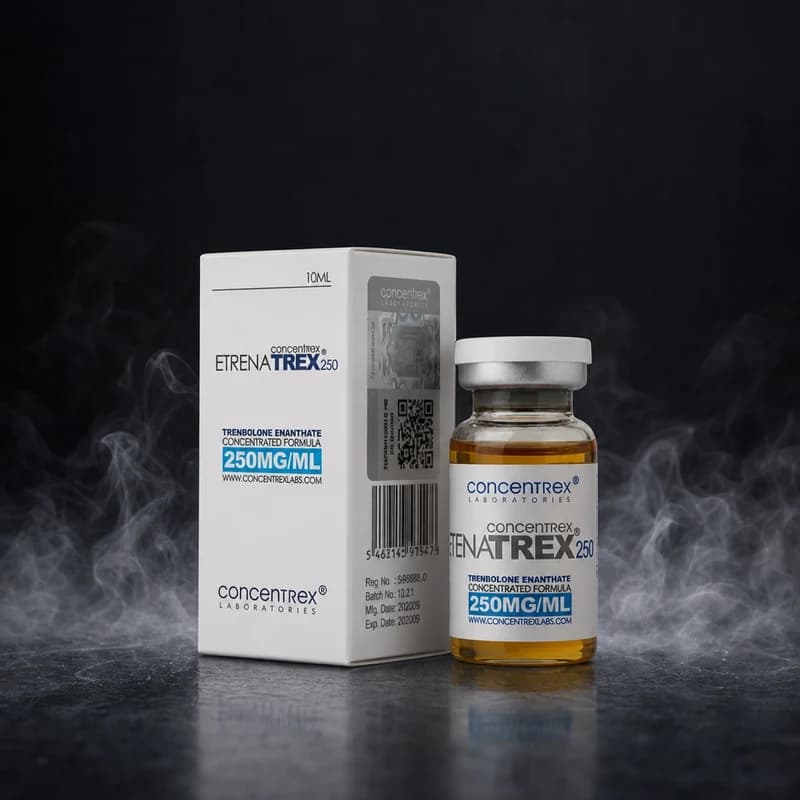
contraindications: GenTec Tren-E 200 is contraindicated in individuals with prostate or breast carcinoma, hepatic impairment, active cardiovascular disease, or any hypersensitivity to Trenbolone or oil-based excipient components. Not indicated for use in women or individuals under the age of majority.
side_effects: Androgenic effects including accelerated scalp hair thinning, acne, and increased sebum production are dose-dependent and related to systemic androgenic exposure achieved through the injectable route. Trenbolone's progestogenic activity — not its oestrogenic profile — is the primary driver of elevated prolactin; cabergoline or similar dopamine agonists are typically employed to manage this axis. Night sweats, elevated resting heart rate, and reduced cardiovascular exercise tolerance are commonly reported during Trenbolone administration and arise from its pronounced androgenic potency acting at the tissue level. Haematocrit elevation increases thrombotic risk; regular blood count monitoring is advised during extended use.
monitoring: Prolactin, haematocrit, lipid panel (LDL/HDL ratio), liver enzyme markers (ALT/AST), and blood pressure should be assessed at baseline and at approximately four-week intervals during active administration. Kidney function monitoring (creatinine, eGFR) is prudent for cycles extending beyond eight weeks, as Trenbolone use has been associated with dark-coloured urine in susceptible individuals. Cardiac structure assessment via echocardiography is recommended for athletes undertaking cycles longer than twelve weeks given Trenbolone's reported influence on left ventricular wall thickness.
pct: Because the enanthate ester extends active-compound clearance beyond the final injection date, post-cycle therapy with a SERM (selective oestrogen receptor modulator such as tamoxifen or clomiphene) should not commence until approximately 14–18 days after the last administration. Prolactin normalisation should be confirmed or supported with cabergoline before SERM-based PCT begins to avoid compounding hormonal disruption across both axes simultaneously.

 High Concentration