Testosterone Enanthate and Cardiovascular Biology: What the Data Actually Show
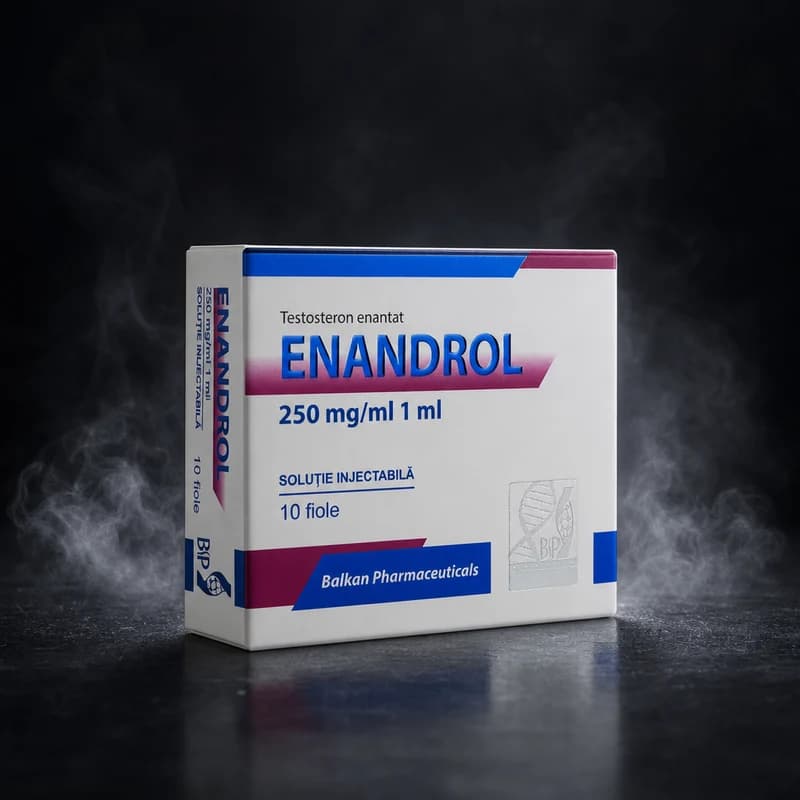
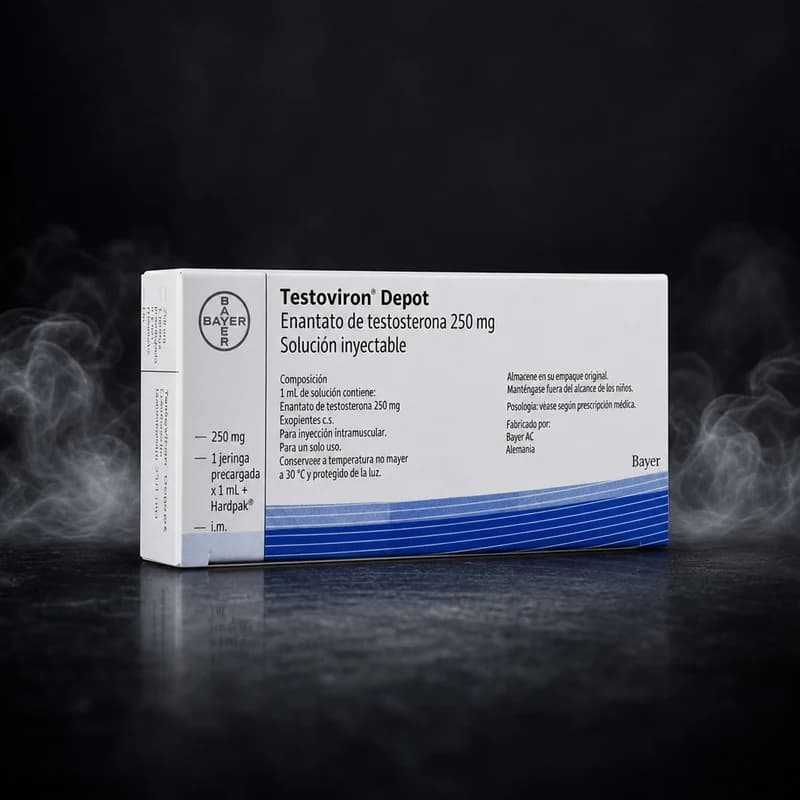
Testover E by Vermodje delivers Testosterone Enanthate 250 mg/ml — a depot androgen whose cardiovascular footprint is determined by dose magnitude, serum-level variance, and adjunct management strategy in equal measure. Testosterone enanthate elevates red-blood-cell mass via erythropoietin stimulation, directly increasing whole-blood viscosity and haematocrit — a mechanism confirmed by haematological monitoring data published in the Journal of Clinical Endocrinology & Metabolism. Supraphysiological androgen exposure simultaneously suppresses HDL cholesterol through hepatic lipase upregulation, while LDL and total cholesterol responses are more variable and dose-dependent.
Lipid Panel Changes: Magnitudes and Mitigation
Supraphysiological testosterone reduces HDL-C by 15–25% on average, as quantified by enzymatic cholesterol assays in controlled pharmacological studies; LDL elevation is typically smaller in magnitude but compounded by concurrent aromatase inhibitor use, which removes the partial cardioprotective effect of oestradiol on vascular endothelium. Compared to shorter ester formulations requiring daily or every-other-day injection, enanthate's twice-weekly schedule produces a lower peak-to-trough serum amplitude — a profile associated with attenuated HDL suppression in pharmacokinetic modelling studies. Dietetic interventions centred on omega-3 fatty acid supplementation (3–4 g EPA/DHA daily) have demonstrated HDL preservation of approximately 5–8 percentage points in subjects on exogenous androgen protocols, based on randomised lipid-intervention data.
Monitoring Framework and Dose-Linked Cardiovascular Risk
Cardiovascular risk during a Testover E cycle scales predictably with weekly dose: protocols above 600 mg/week are associated with significantly greater HDL suppression and haematocrit elevation compared to 300–400 mg/week ranges, based on venous sampling in sports-medicine cohort studies using centrifugation-method haematocrit and enzymatic lipid panels. A lipid panel drawn at week four to six — at the trough timepoint, 48–72 hours post-injection — provides the most stable reference for dose-adjustment decisions. Vermodje's batch-specific HPLC documentation confirms concentration accuracy per lot, making dose calculations for cardiovascular-conscious titration arithmetically reliable.
Practical Cardiovascular Protection Steps
Maintain aerobic capacity throughout the cycle: VO₂max-sustaining cardio sessions three times weekly have been associated with partial HDL attenuation in controlled exercise-pharmacology studies. Monitor haematocrit at baseline and at weeks six and twelve; values approaching 50% warrant immediate dose review. Request a full fasted lipid panel — total cholesterol, HDL-C, LDL-C, and triglycerides — before cycle initiation to establish an individual reference baseline.

 Established Brand