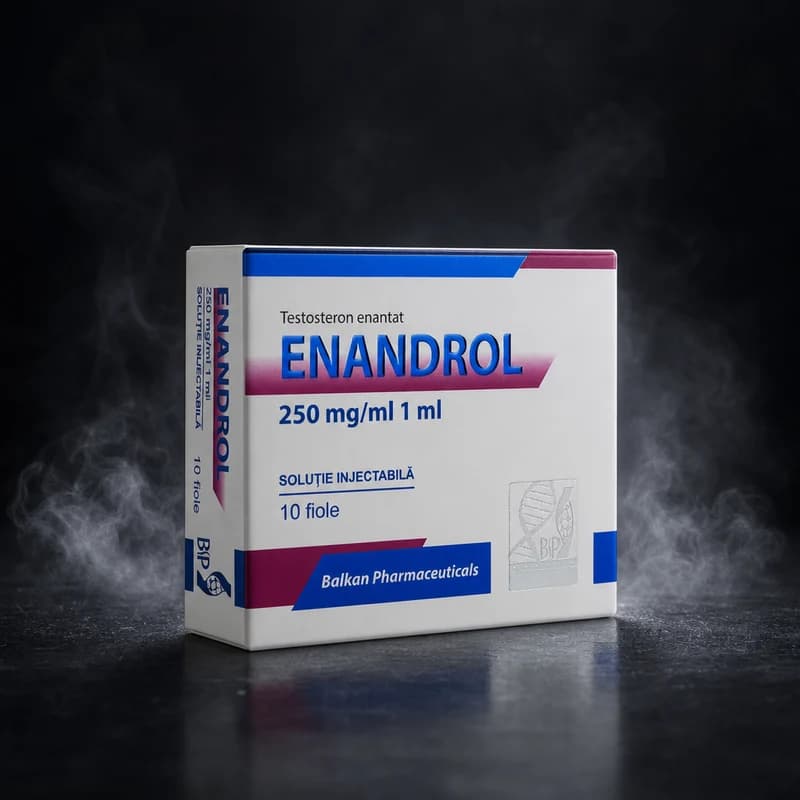
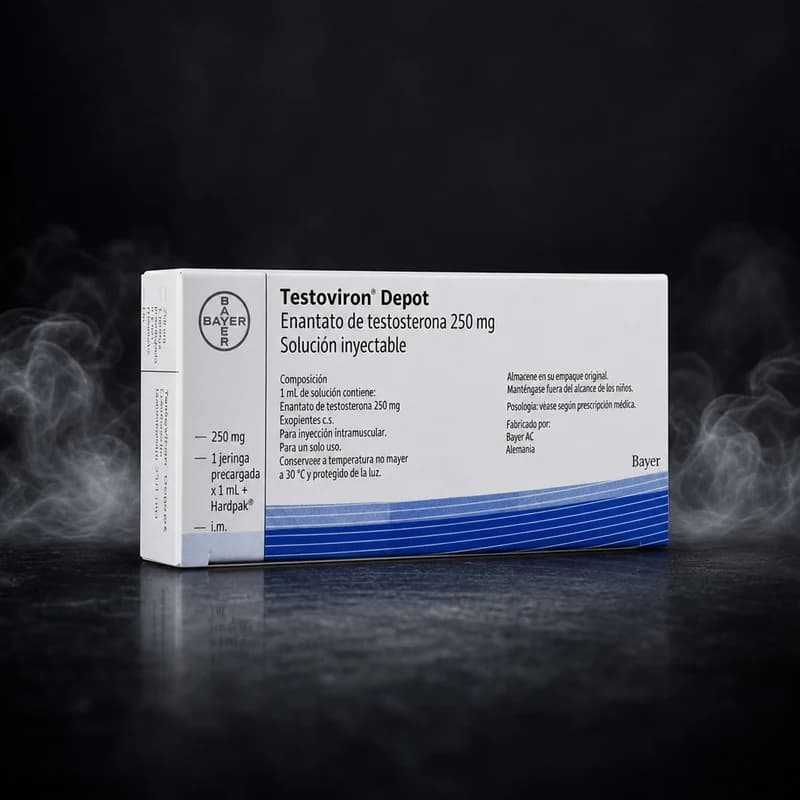
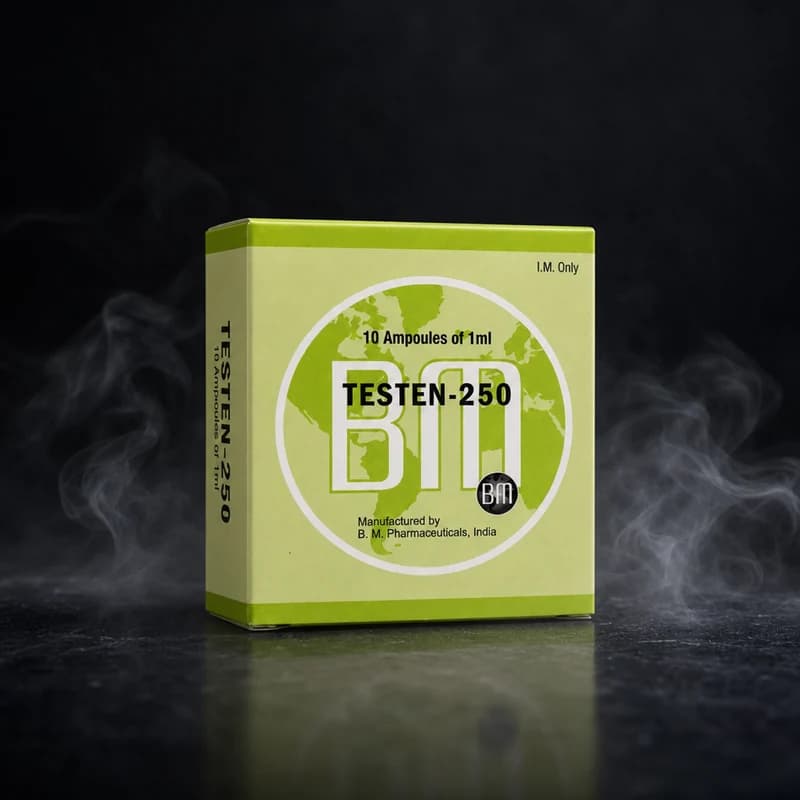
contraindications: Testosterone Enanthate is contraindicated in individuals with known or suspected androgen-dependent malignancies, including prostate and male breast carcinoma.
Not for use in women who are pregnant or may become pregnant; androgenic compounds carry proven teratogenic risk.
Individuals with severe untreated polycythaemia, uncontrolled hypertension, or active liver pathology should not use exogenous testosterone.
side_effects: Aromatisation of testosterone to oestradiol can cause gynaecomastia, water retention and mood variability; an aromatase inhibitor (e.g. anastrozole) may be required, particularly during the blast phase.
Androgenic effects include sebaceous gland hyperactivity (acne), accelerated scalp hair thinning in genetically predisposed individuals, and elevated red blood cell count.
Cardiovascular considerations include adverse changes to the LDL/HDL lipid ratio and an increased risk of left ventricular hypertrophy during prolonged high-dose blasts.
monitoring: Complete blood count (haematocrit, haemoglobin) should be evaluated every 8–12 weeks; haematocrit exceeding 52% warrants dose reduction or therapeutic phlebotomy.
Serum oestradiol should be checked at the end of each blast phase and adjusted with an AI if symptomatic.
Blood pressure readings above 140/90 mmHg on two consecutive measurements indicate the need for dose reassessment or medical review.
Liver function panels (ALT, AST) and lipid profiles are recommended at least once per cruise-and-blast annual cycle.
pct: Users who intend to discontinue the cruise-and-blast programme entirely rather than transition to another blast should allow serum testosterone to decline over approximately 3–4 weeks (roughly five elimination half-lives) before initiating a standard PCT protocol.
A Clomid/Nolvadex-based PCT lasting four to six weeks is typically employed; SERM selection and duration should be guided by post-washout LH and FSH blood values.
Fertility recovery timelines vary widely; men wishing to conceive should seek endocrinological evaluation rather than relying solely on a standard PCT framework.

 Established Brand