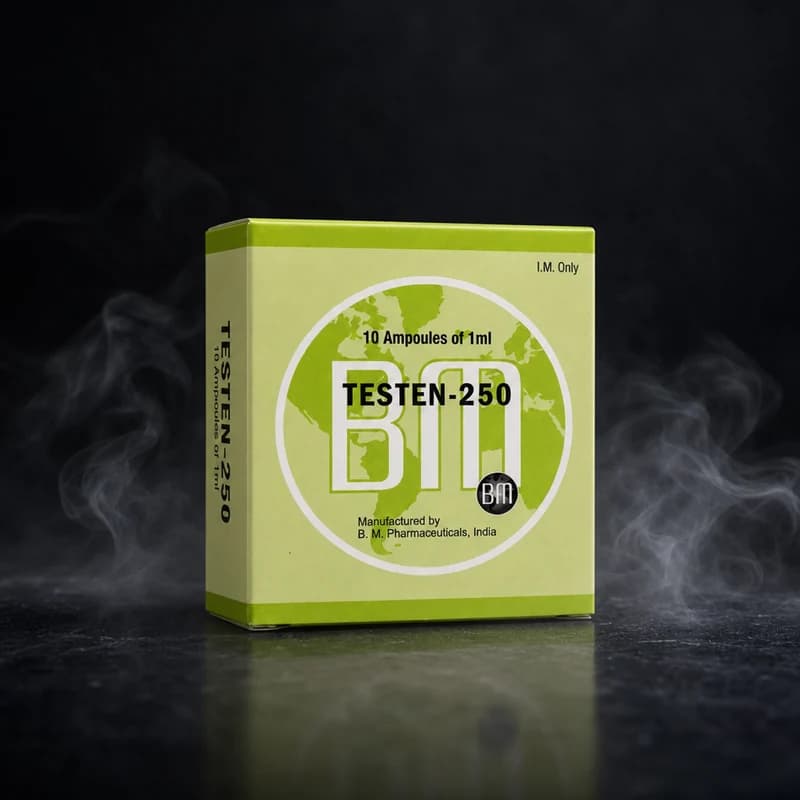
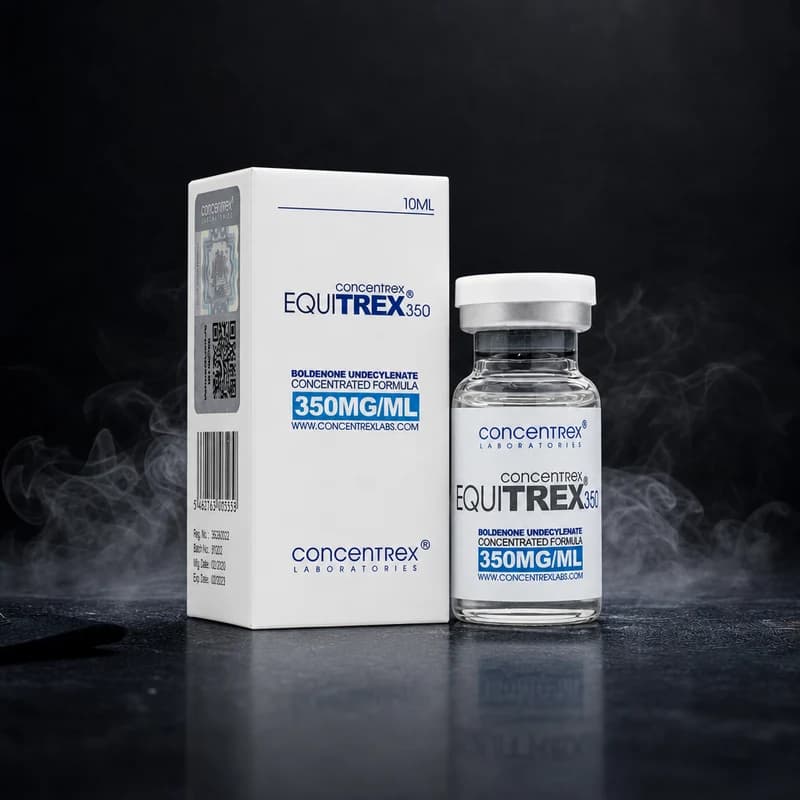
Contraindications: Testoviron Depot must not be used by individuals with androgen-sensitive prostate or breast carcinoma, known hypersensitivity to testosterone enanthate or sesame/benzyl benzoate vehicle components, or active polycythaemia. Women who are pregnant or planning pregnancy must not handle broken ampoules due to virilisation risk to the foetus. Individuals with untreated severe cardiac, hepatic, or renal disease should not initiate exogenous testosterone therapy without specialist clearance.
Side Effects: Androgenic effects — including accelerated scalp hair loss in genetically predisposed individuals, acne, and increased sebum production — are dose-dependent and more pronounced in longer modern cycles. Oestrogenic conversion via aromatase can lead to fluid retention, gynaecomastia, and elevated blood pressure; an aromatase inhibitor (e.g. anastrozole or exemestane) is advisable for cycles exceeding 400mg/week. Supraphysiological testosterone suppresses the HPG axis, leading to testicular atrophy and reduced sperm production during the cycle — expected and reversible with appropriate PCT.
Monitoring: Serum total testosterone and oestradiol should be measured at baseline and at cycle week 4–6 using validated immunoassay or LC-MS/MS methods. Haematocrit must be assessed at the same intervals; values exceeding 52% warrant dose reduction or cycle interruption. Lipid panel (LDL/HDL ratio) and liver enzymes (ALT, AST) should be checked — particularly when Testoviron Depot is stacked with 17-alpha-alkylated oral compounds.
PCT: Post-cycle therapy should commence approximately 14 days after the final Testoviron Depot injection, allowing plasma testosterone from the enanthate ester to decline toward baseline. Standard modern PCT protocols employ selective oestrogen receptor modulators (SERMs) — typically nolvadex (tamoxifen) 40/40/20/20mg or clomid (clomiphene) 50/50/25/25mg across four weeks — to stimulate endogenous LH and FSH secretion and restore natural testosterone production.

 Established Brand