The Compound That Defined an Era: Testosterone Enanthate's Historical Roots
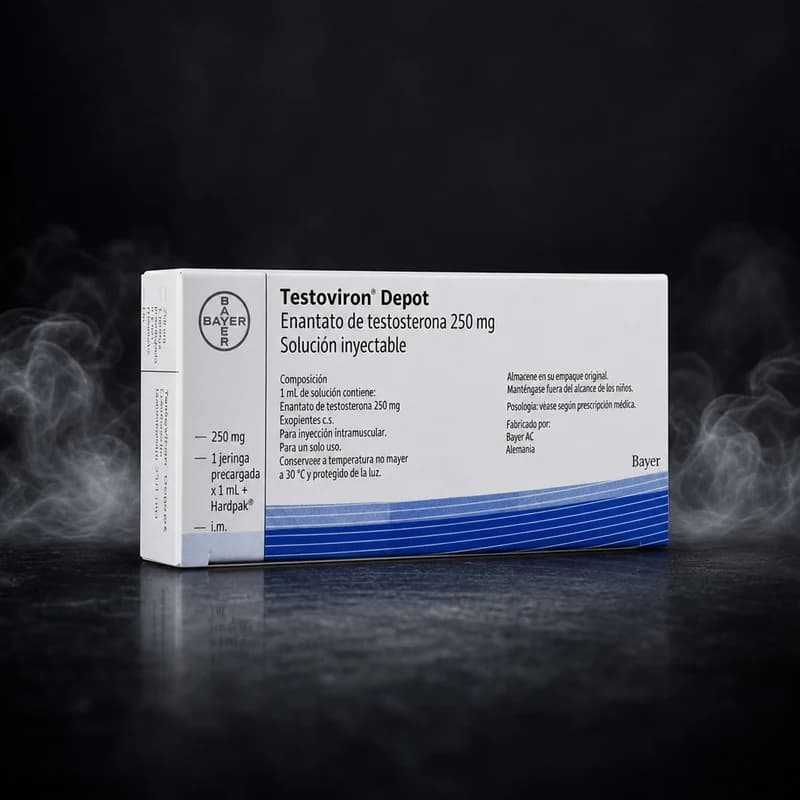
Testosterone Enanthate is a synthetic ester of testosterone first developed during the early 1950s, when pharmaceutical chemists sought a depot formulation that would extend the hormone's otherwise brief biological window well beyond what aqueous suspensions or propionate esters could achieve. Squibb introduced Delatestryl in the United States in 1954, establishing the enanthate ester as the clinical gold standard for hypogonadism therapy — a position it has never fully relinquished. Compared to testosterone cypionate, which emerged around the same period and dominated North American prescribing, enanthate gained deeper penetration in European and Middle Eastern markets, partly because manufacturers like Aburaihan Iran were able to produce it at scale under rigorous pharmaceutical oversight.
From Pharmaceutical Corridors to Performance Sport
Testosterone Enanthate's trajectory from hospital formulary to performance sport mirrors the broader history of androgenic pharmacology. By the 1960s, athletes had identified the compound's anabolic potential, drawn to its convenient once-weekly or bi-weekly injection schedule made possible by a half-life of approximately 7–10 days (determined by the ester's hydrolysis kinetics in depot tissue). The IOC formally banned exogenous testosterone in 1976, yet the compound's clinical legitimacy ensured it remained continuously manufactured under pharmaceutical-grade conditions rather than migrating to clandestine production. Aburaihan Iran entered licensed pharmaceutical manufacturing for testosterone enanthate decades ago, building a track record that spans generations of Iranian domestic medicine and international export markets alike.
Mechanism, Molecule, and Modern Relevance
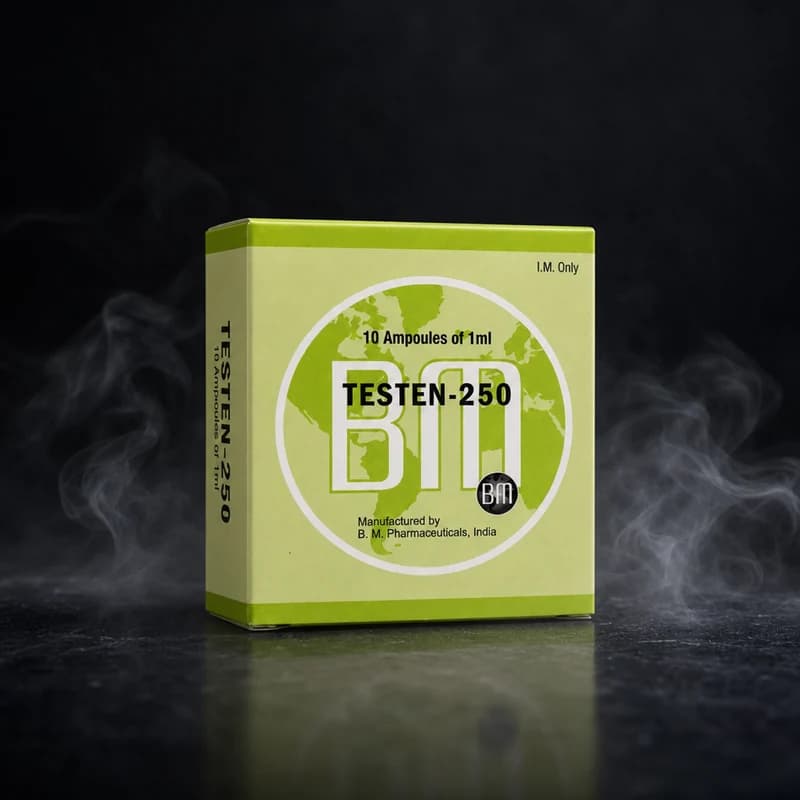
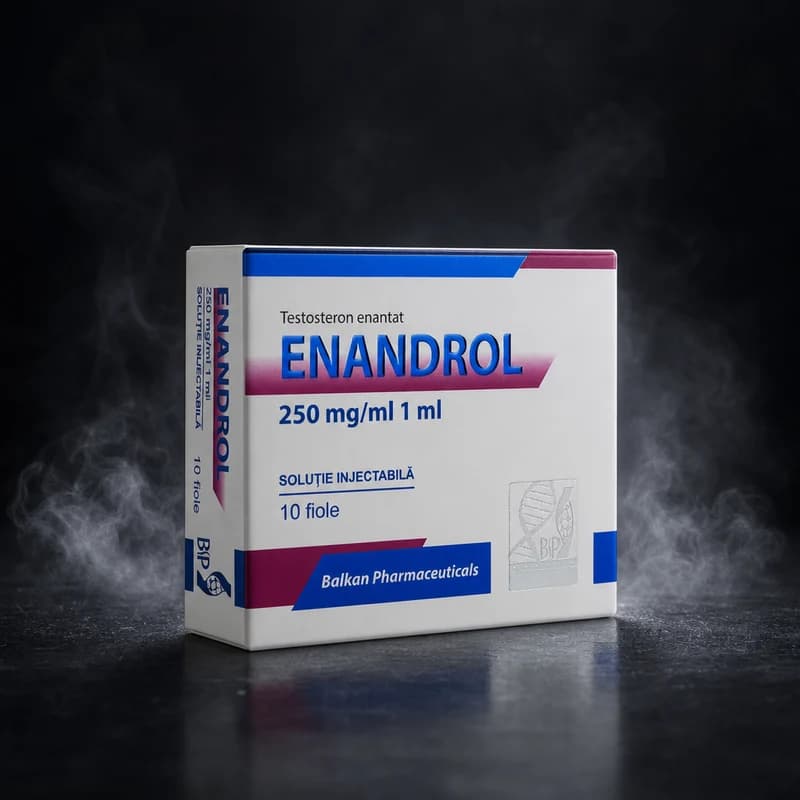
Testosterone Enanthate releases free testosterone through enzymatic ester hydrolysis at the injection site, maintaining supraphysiological serum concentrations that bind androgen receptors in skeletal muscle, bone, and the central nervous system. Aburaihan's 250mg/ml concentration delivers a therapeutically relevant dose in a 1ml ampoule — the same concentration that clinical endocrinology guidelines frequently reference as a practical dosing unit for TRT and adjunct anabolic protocols. Each ampoule undergoes HPLC potency verification and LAL (Limulus Amebocyte Lysate) endotoxin testing, with batch release governed by GMP frameworks aligned with Iranian FDA requirements.
Why Origin and Manufacturer Heritage Matter
Purchasing a compound with a documented manufacturing lineage reduces the risk of concentration variance and contamination that plagues unregulated sources. Aburaihan Pharmaceutical Company has manufactured injectables since the 1970s, giving it one of the longest continuous production histories of any testosterone enanthate producer in the MENA region. That institutional continuity translates into accumulated institutional process knowledge across multiple regulatory eras, stable supplier relationships for pharmaceutical-grade sesame oil and benzyl benzoate, and batch-to-batch consistency that newer manufacturers cannot credibly claim.

 GMP Standard