Testosterone Enanthate as the Hormonal Foundation for Peptide-Based Protocols
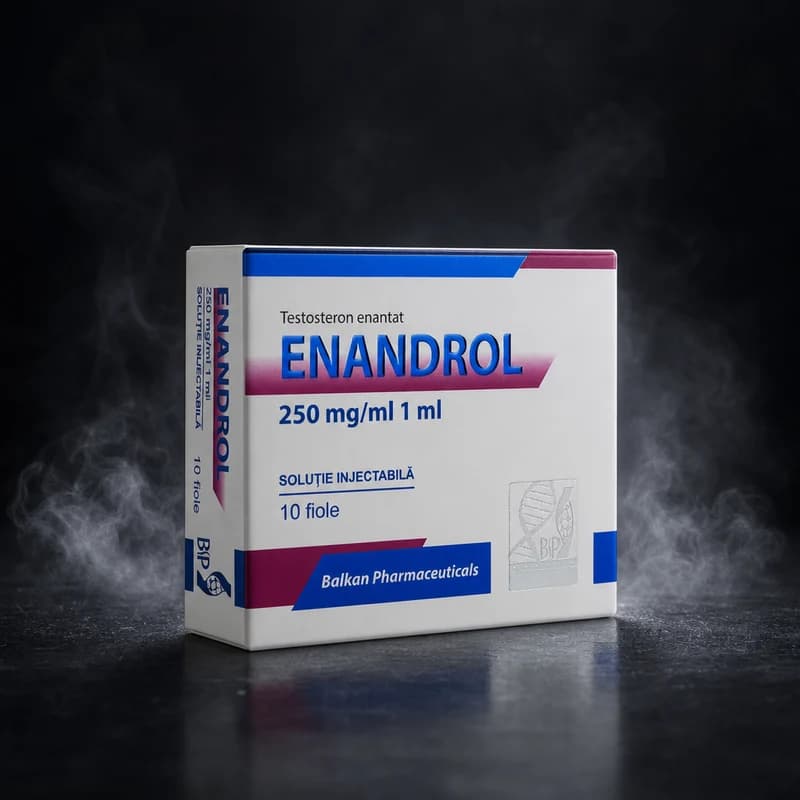
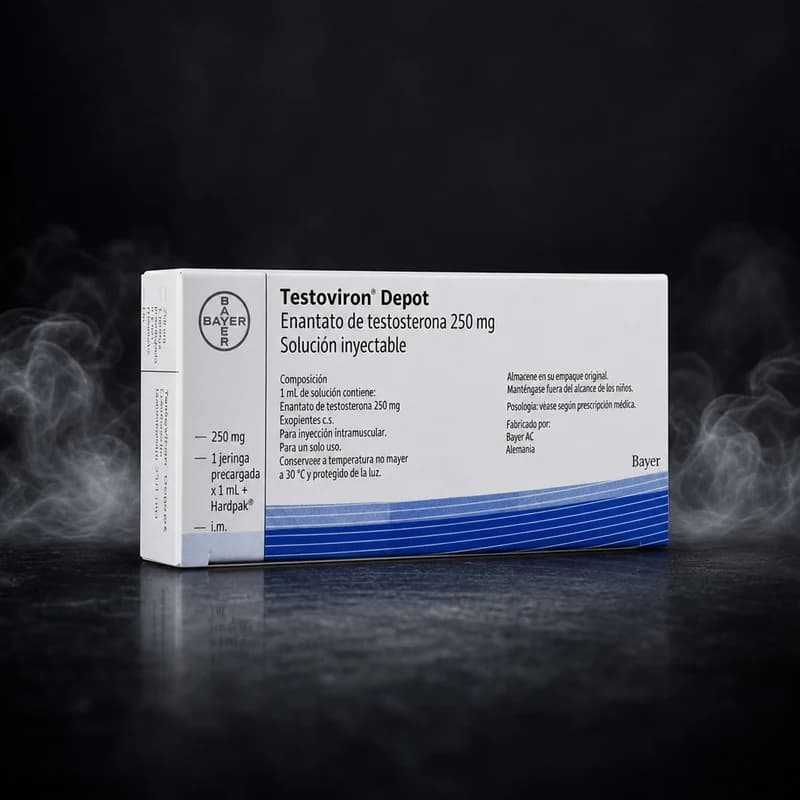
Nassa Labs Testosterone Enanthate 250mg/ml is an esterified androgen depot injectable that functions as the endocrine baseline upon which peptide-combination programmes are built. Testosterone enanthate hydrolysis releases free testosterone progressively over several days after intramuscular administration, sustaining the androgen receptor occupancy that determines how effectively a co-administered peptide can translate its upstream signal into downstream tissue adaptation. Without adequate circulating testosterone, growth-hormone secretagogues — CJC-1295, Ipamorelin, GHRP-6 — produce growth-hormone pulses that encounter an androgen-depleted receptor environment and yield attenuated anabolic output compared to the same peptide dose administered alongside maintained testosterone levels.
Which Peptides Pair with Testosterone Enanthate and Why
BPC-157 and TB-500 represent the connective-tissue and healing axis of peptide stacking: BPC-157 upregulates VEGFR2-mediated angiogenesis in tendon and muscle repair models, while TB-500 mobilises actin-binding thymosin-β4 to accelerate cellular migration into injury sites. Both peptides operate through regenerative pathways that are potentiated when systemic testosterone holds satellite-cell activity and IGF-1 receptor sensitivity at an elevated baseline. GHRH/GHRP combinations — such as CJC-1295 without DAC paired with Ipamorelin — pulse growth hormone in a fashion that converges with mTORC1 translational signalling; Testosterone Enanthate supplies the androgen-receptor tone that converts that mTORC1 activity into sustained myofibrillar protein deposition. Research pharmacology literature frames this convergence as synergistic rather than additive, because androgen and GH/IGF-1 pathways regulate distinct but interacting transcriptional targets.
Dosing Structure and Quality Credentials for Peptide Co-Administration
The 250mg/ml concentration allows weekly testosterone doses from 125mg to 500mg using straightforward volume arithmetic, making protocol adjustments during peptide titration phases precise and reproducible. At 250mg weekly — drawn as two 0.5ml injections — serum testosterone reaches a physiologically stable range that research in androgen-peptide interaction models identifies as sufficient to support augmented GH signalling without excessive androgenic load that might obscure interpretation of peptide-driven outcomes. Each Nassa Labs batch undergoes HPLC quantification to confirm active content within specification, and LAL (Limulus Amebocyte Lysate) endotoxin testing validates sterility before batch release — a dual quality gate that protects injection-site integrity across the frequent administration schedules typical of peptide protocols.
Why 250mg/ml Suits Peptide-Stack Frequency
Peptide programmes often involve daily or twice-daily subcutaneous injections alongside twice-weekly intramuscular testosterone dosing. The 250mg/ml concentration keeps each testosterone draw below 1ml even at 250mg doses, minimising tissue disruption at a time when the injection schedule is already intensive. The 10ml vial format supports a full ten-week cycle without mid-cycle vial changes, preserving the consistent administration rhythm that peptide-combination protocols depend upon.

 Established Brand