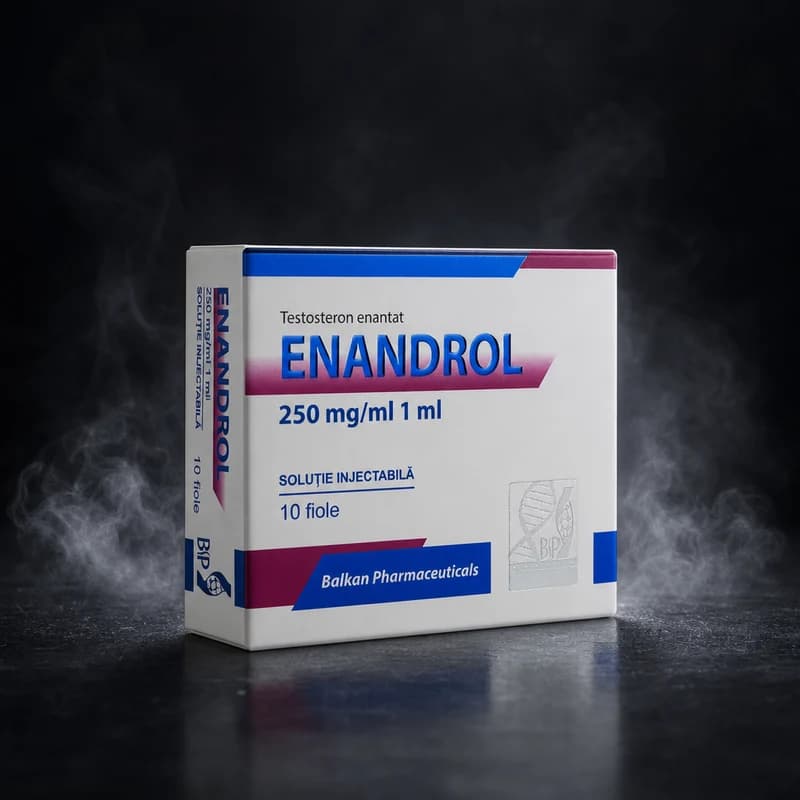
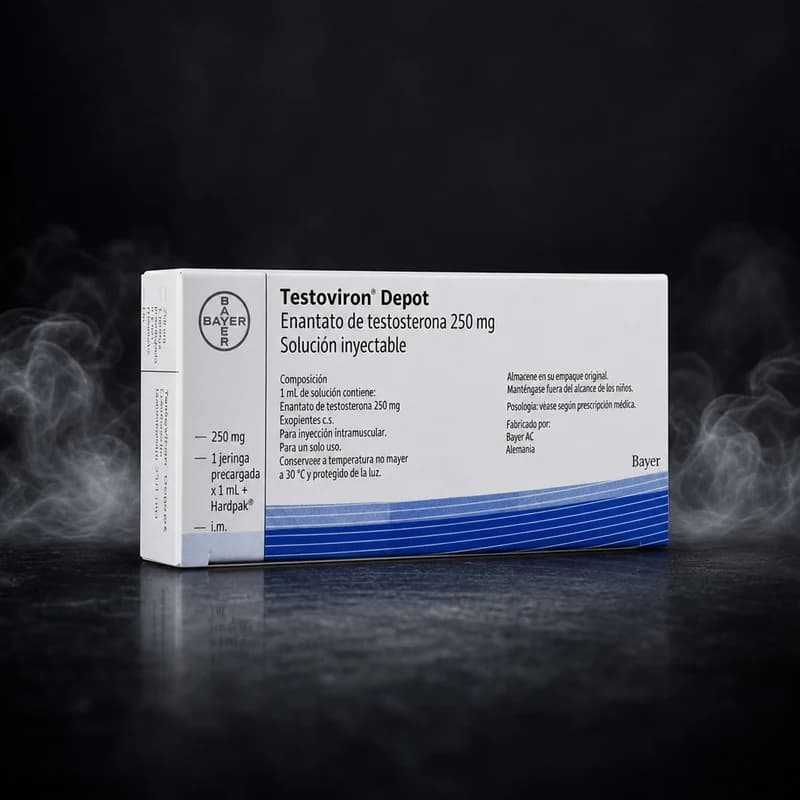
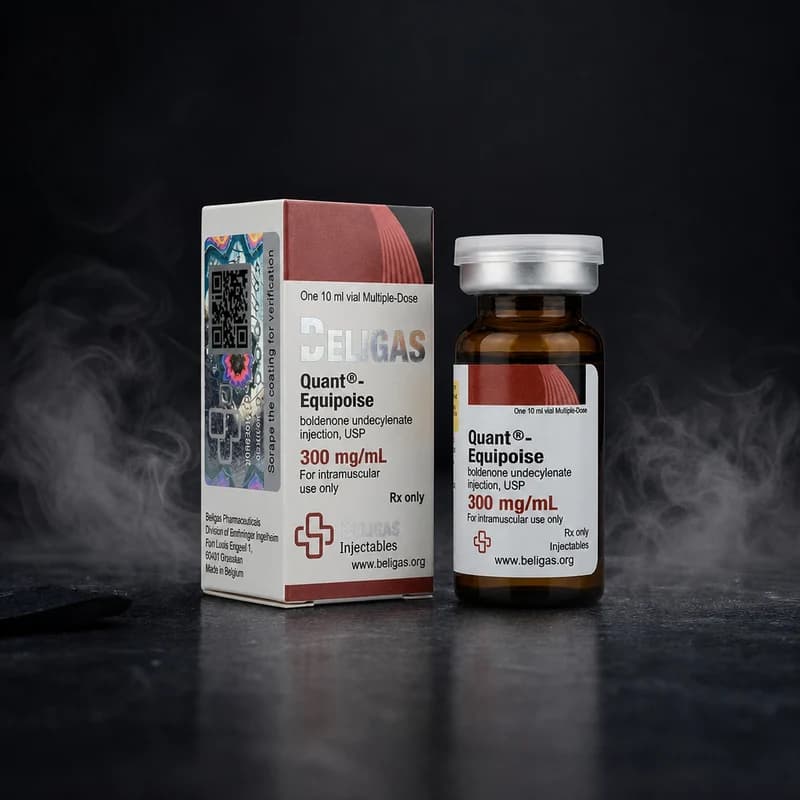
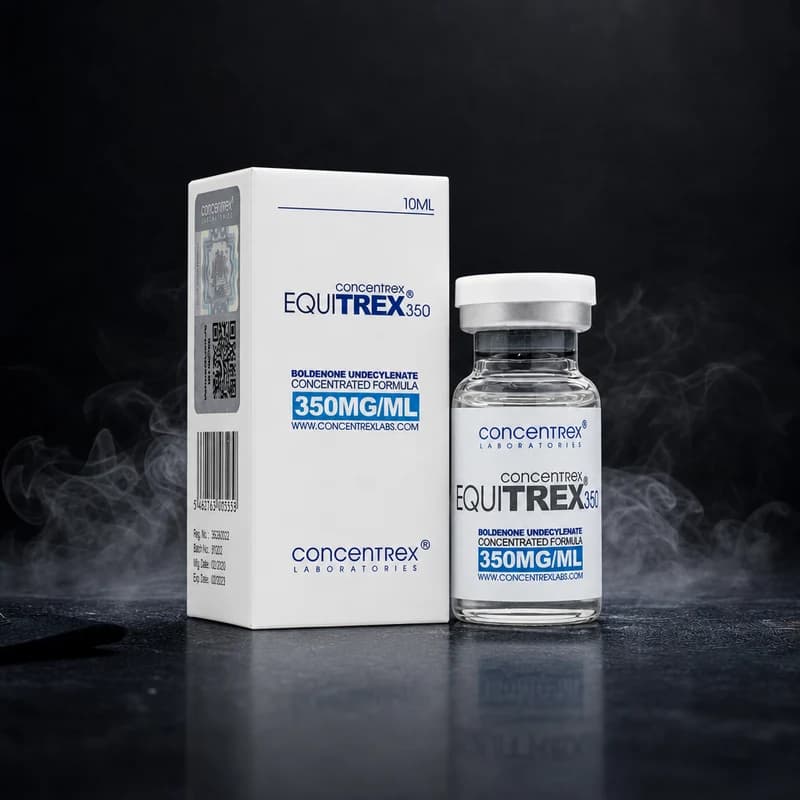
contraindications: Not for use in individuals with known or suspected androgen-dependent malignancy (prostate or breast carcinoma).
Contraindicated in those with hypersensitivity to testosterone enanthate or to the sesame oil vehicle used in injectable depot formulations.
Not indicated for women who are pregnant or breastfeeding; virilising effects on the foetus or nursing infant represent a documented risk.
Patients with severe hepatic impairment or untreated cardiovascular disease should not begin exogenous androgen administration without specialist evaluation.
side_effects: Aromatisation of excess testosterone to oestradiol may produce gynaecomastia, water retention, and blood-pressure elevation; aromatase inhibitor co-administration is commonly employed as a preventive measure.
Androgenic side effects — accelerated scalp hair thinning in genetically predisposed individuals, increased sebum production, and potential acne — are dose-dependent.
Erythrocytosis (elevated red blood cell count) can develop with sustained supraphysiological dosing; haematocrit monitoring every 8–12 weeks is advisable.
Endogenous testosterone production is suppressed during exogenous administration; testicular atrophy of variable degree is an expected physiological response.
monitoring: Obtain serum total testosterone, free testosterone, oestradiol, LH, FSH, and haematocrit at baseline and at weeks 4 and 8 of the cycle.
Lipid panel (LDL, HDL, triglycerides) should be assessed at baseline and at cycle midpoint, as exogenous androgens exert dose-dependent effects on lipoprotein fractions.
Blood pressure measurement at each monitoring interval; sustained readings above 140/90 mmHg warrant dose review.
Liver function tests (ALT, AST, GGT) are recommended at baseline, though injectable testosterone enanthate carries substantially lower hepatotoxic risk than 17-alpha-alkylated oral androgens.
pct: Post-cycle therapy should begin approximately 14–18 days after the final injection of testosterone enanthate, once serum levels have declined to a range that permits HPTA axis recovery.
Standard PCT agents include selective oestrogen receptor modulators (SERMs) such as tamoxifen or clomiphene, titrated across a 4–6 week recovery window.
Serum LH, FSH, and total testosterone should be re-measured at the end of PCT to confirm adequate endogenous recovery before beginning any subsequent cycle.
Individuals who have run extended cycles (longer than 16 weeks) may require a proportionally longer PCT duration, as HPTA suppression depth correlates with both dose and cycle length.

 Established Brand