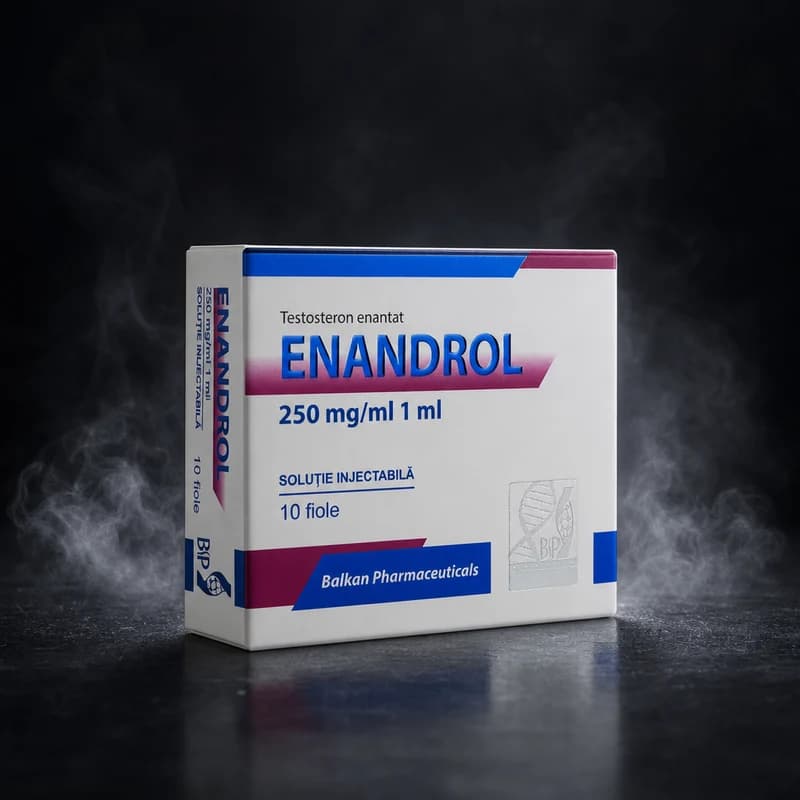
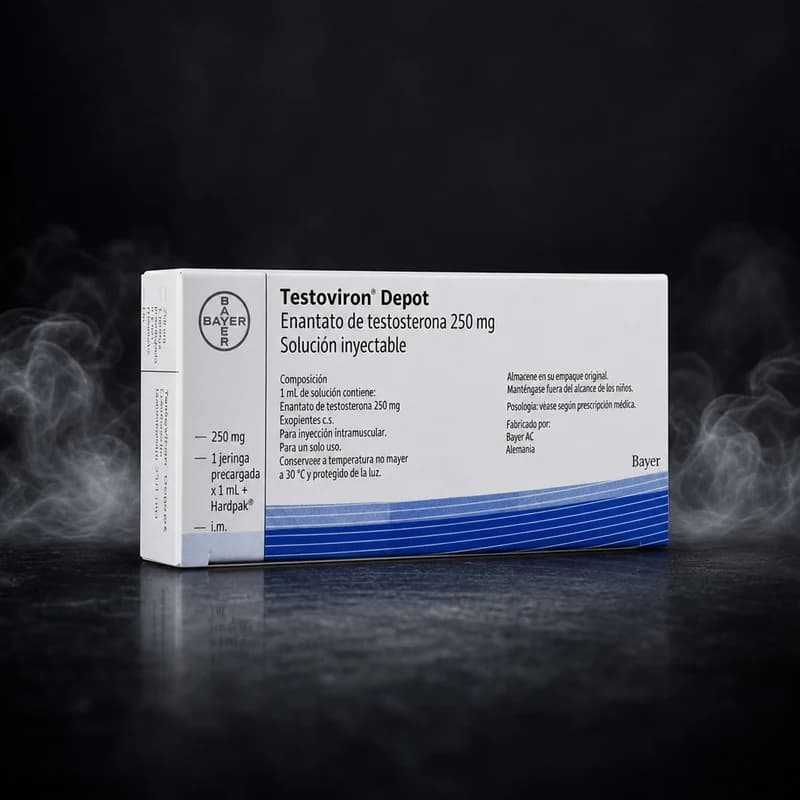
Contraindications: Testosterone Enanthate is contraindicated in individuals with androgen-sensitive carcinoma (prostate or male breast), elevated haematocrit above 54%, untreated severe sleep apnoea, or known hypersensitivity to the active substance or oily vehicle. Women who are pregnant or planning pregnancy must not use this product.
Side Effects: Exogenous testosterone suppresses endogenous HPTA function during use; erythrocytosis (haematocrit rise), fluid retention, acne, and mood fluctuation are reported across controlled study populations. Aromatisation to oestradiol at higher weekly doses may produce gynaecomastia in susceptible individuals; aromatase inhibitor co-administration is the standard pharmacological countermeasure. Injection-site reactions — transient induration or discomfort — are possible with any depot formulation.
Monitoring: Obtain serum total testosterone, oestradiol (LC-MS/MS preferred), haematocrit, lipid panel, and liver enzymes at cycle baseline, mid-cycle (week 4–6), and at the PCT washout bloodwork timepoint. Haematocrit above 52% warrants dose review; oestradiol outside the 20–40pg/ml reference band (immunoassay or LC-MS/MS) signals aromatase inhibitor titration. PSA monitoring is appropriate for users aged 40 and above.
PCT: Modern PCT timing is pharmacokinetically calculated, not calendar-fixed. Initiate SERM therapy only after confirmed serum testosterone decline below the hypothalamic suppression threshold — typically 14–18 days after the final 250mg injection. Premature SERM initiation while residual androgen suppression persists does not accelerate HPTA recovery and wastes the SERM block. Bloodwork at weeks 3 and 6 of SERM therapy guides duration and dose-tapering decisions.

 Established Brand