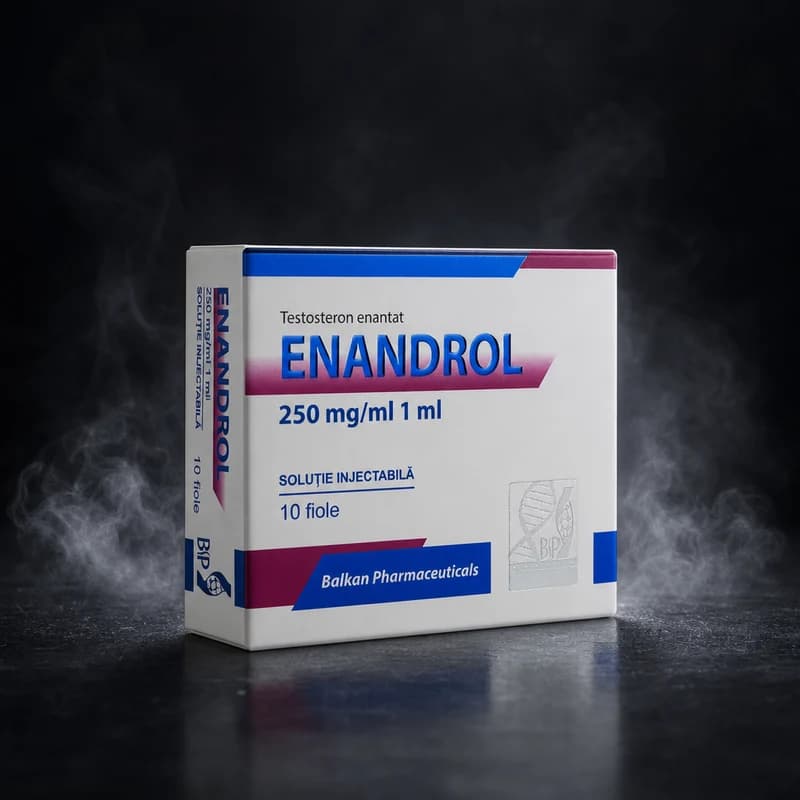
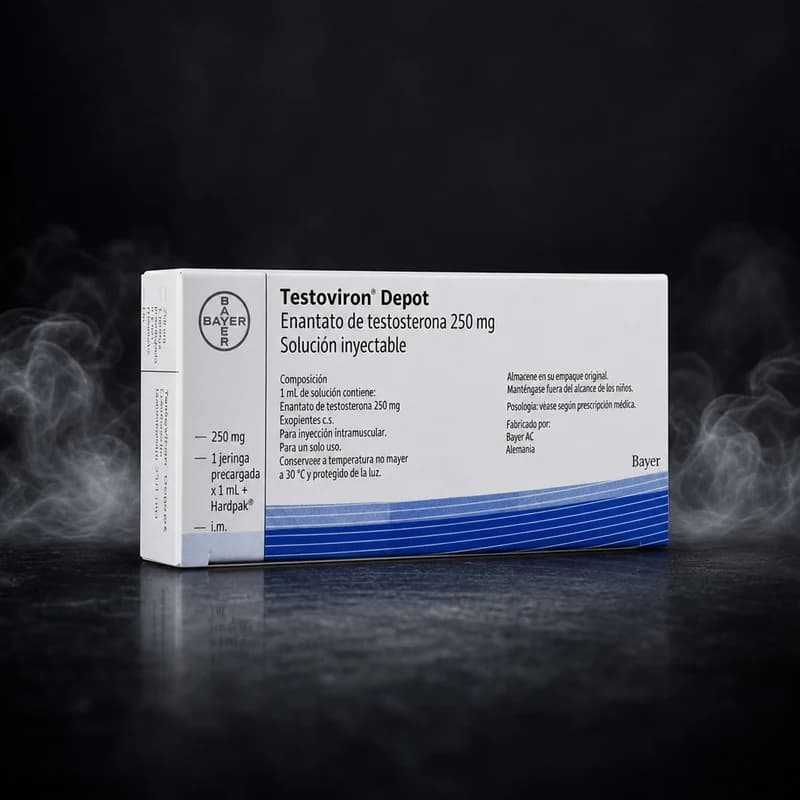
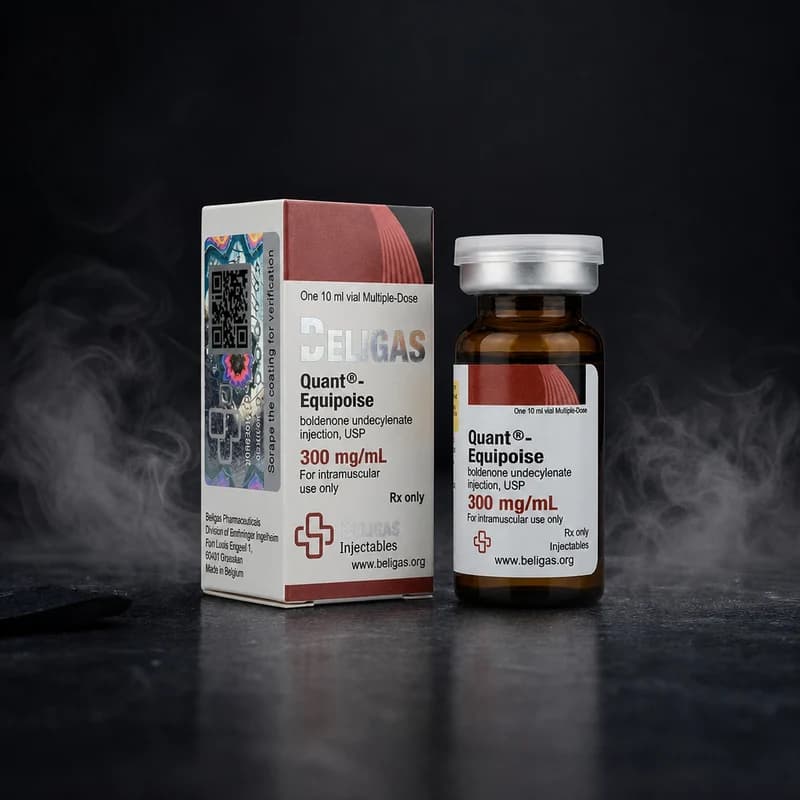
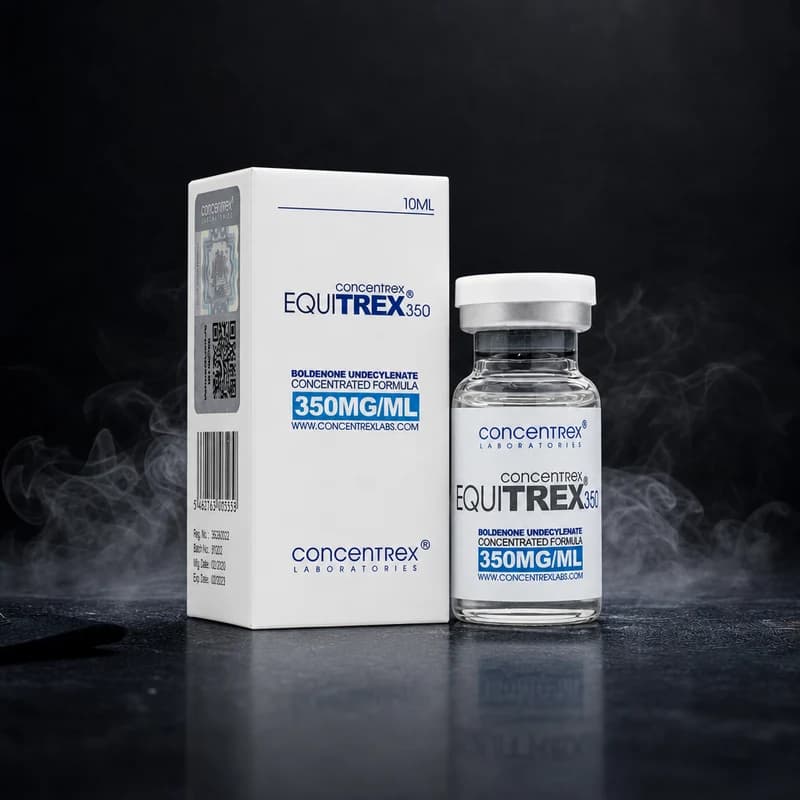
Contraindications: Testosterone enanthate is contraindicated in individuals with known androgen-sensitive malignancies (prostate or breast cancer), active polycythaemia, severe untreated sleep apnoea, or hypersensitivity to any component of the formulation. Male adolescents whose growth plates have not yet closed should not use this compound due to the risk of premature epiphyseal fusion.
Side Effects: Potential side effects include aromatisation-driven oestrogen elevation (presenting as water retention, nipple sensitivity, or mood changes), acne, elevated haematocrit, androgenic alopecia in genetically predisposed individuals, and suppression of endogenous luteinising hormone and follicle-stimulating hormone. Cardiovascular risk markers — particularly LDL/HDL lipid ratio — may shift unfavourably at supraphysiological doses.
Monitoring: Beginners should obtain blood work at baseline, at week 6, and at the end of cycle. Key panels: total and free testosterone (LC-MS/MS), oestradiol (sensitive immunoassay), haematocrit, LH, FSH, lipid panel, and liver enzymes. Haematocrit above 52% requires immediate dose review. Oestradiol management with a low-dose aromatase inhibitor should be reactive to symptoms and lab data, not prophylactic.
PCT: Because testosterone enanthate suppresses the hypothalamic-pituitary-testicular axis throughout the cycle, structured post-cycle therapy is mandatory. Allow approximately 14 days after the final injection before initiating a SERM-based protocol (tamoxifen or clomiphene); this washout window allows serum testosterone levels to decline before endogenous recovery is stimulated. PCT duration is typically four weeks, with end-of-PCT blood work to confirm axis recovery.

 Established Brand