forgemax.FORGED. TESTED. PROVEN.
Test-Enanthate 250mg/ml 10x1ml Ampullen by Sterling Knight Pharmaceuticals
New Arrival

Test-Enanthate 250mg/ml 10x1ml Ampullen by Sterling Knight Pharmaceuticals

Sterling Knight Pharmaceuticals Test-Enanthate provides 250 mg of testosterone enanthate per millilitre across ten hermetically sealed borosilicate ampoules, engineered for users who require granular dose control alongside a structured adverse-event monitoring framework. Each ampoule is opened once per injection and immediately discarded, ensuring every administration draws from a freshly sealed, preservative-free unit with no repeated-puncture contamination risk. Batch-level HPLC content uniformity testing and LAL endotoxin clearance are completed and documented before any lot is released for dispatch.

€42.00Free shipping on orders over €300
In stock
Ships within 48 h Lab-tested batch
  • Ten individually sealed borosilicate ampoules — each injection draws from a freshly opened, sterility-verified unit
  • 250 mg/ml concentration delivers 25 mg per 0.1 ml graduation, enabling precise dose reduction when blood-work signals adjustment
  • No 17-alpha-alkylation means hepatic enzyme elevation is not an expected adverse event at evidence-based doses
  • Long enanthate ester sustains stable serum levels with twice-weekly dosing, reducing peak-driven androgenic side-effect spikes
  • Batch-level HPLC content uniformity testing confirms stated concentration, reducing accidental overdose from mislabelled product
  • LAL endotoxin clearance documentation per lot minimises pyrogenic injection reactions unrelated to the active compound
  • Single-use ampoule format removes contamination as a confounding variable when attributing adverse injection-site reactions

Key takeaways

  • Monitor oestradiol via LC-MS/MS every four weeks and adjust AI dose accordingly.
  • Check haematocrit at weeks four and eight to catch erythropoietic elevation early.
  • Use 25 mg (0.1 ml) increments to fine-tune dose in response to blood-work findings.
  • Attribute injection-site reactions accurately thanks to single-use ampoule sterility.
  • Separate hepatic and androgenic risk profiles — injectable testosterone spares the liver.

What Side Effects Does Testosterone Enanthate Produce and How Are They Managed?

Testosterone enanthate is a long-acting androgenic anabolic steroid whose side-effect profile is directly proportional to circulating androgen and oestrogen exposure, making proactive blood-work monitoring the single most effective risk-reduction tool available to users. Sterling Knight Test-Enanthate at 250 mg/ml provides dose-volume arithmetic that supports conservative, incremental dose adjustments — every 0.1 ml of solution corresponds to 25 mg of active compound, a resolution that lets users fine-tune weekly intake without rounding error.

Testosterone aromatises into oestradiol via the CYP19A1 aromatase enzyme expressed predominantly in adipose tissue, and elevated oestradiol drives the two most commonly reported side effects: gynaecomastia and excess subcutaneous water retention. Aromatase inhibitors — anastrozole and letrozole are the two most studied — suppress oestradiol synthesis, with anastrozole reducing serum oestradiol by approximately 85% at a 1 mg daily dose as measured by LC-MS/MS immunoassay in clinical oncology trials. The management objective is oestradiol containment within the 20–40 pg/ml range, confirmed by periodic venous sampling, rather than complete suppression, which impairs bone mineral density and libido.

Androgenic, Haematological, and Cardiovascular Adverse Events

Dihydrotestosterone-mediated effects — scalp hair thinning in genetically predisposed individuals and sebaceous gland hyperactivity causing acne — arise because intramuscular testosterone is partly converted to DHT by 5-alpha-reductase in skin and prostate tissue. Finasteride at 1 mg daily, a 5-alpha-reductase inhibitor, reduces scalp DHT exposure by roughly 70% according to controlled dermatological studies, offering a targeted intervention without suppressing intramuscular DHT-independent anabolic signalling.

Erythropoiesis represents a distinct haematological risk: testosterone enanthate stimulates renal erythropoietin secretion, raising red blood cell mass and haematocrit. Compared to short-ester protocols, the slow-release enanthate depot sustains this erythropoietic stimulus continuously, making haematocrit checks at weeks four and eight a non-optional monitoring step. Cardiovascular risk compounds when haematocrit climbs above 52%, a threshold at which whole-blood viscosity increases measurably by rotational viscometry; therapeutic phlebotomy or dose reduction are the two evidence-supported responses.

Sterling Knight Pharmaceuticals formulates Test-Enanthate in single-dose borosilicate ampoules so each injection draws from a freshly sealed, independently sterility-assured unit — an important variable when correlating injection-site reactions to true hypersensitivity rather than contamination artefact.

Hepatic and Endocrine Monitoring

Injectability distinguishes testosterone enanthate from 17-alpha-alkylated oral androgens: the absence of C-17 alkylation means hepatotoxic elevation of ALT and AST is not an expected adverse event at standard doses, a claim supported by liver-function panels in controlled clinical pharmacology studies. Endogenous testosterone suppression via hypothalamic-pituitary-gonadal axis negative feedback is, however, universal and dose-dependent; HPTA recovery post-cycle is the primary endocrine management target addressed through structured PCT.

Usage

  1. Complete a full baseline blood panel — total testosterone, free testosterone, oestradiol (LC-MS/MS), haematocrit, lipid panel, ALT, AST — before administering the first ampoule.
  2. Open a fresh Sterling Knight ampoule immediately before each injection; never pre-draw and store in a syringe, as this introduces contamination that complicates adverse-event attribution.
  3. Administer intramuscularly using a 23–25 gauge needle into the gluteus medius or vastus lateralis; rotate sites each injection to reduce localised inflammatory tissue response.
  4. At week four, repeat oestradiol and haematocrit measurements; if oestradiol exceeds 40 pg/ml by LC-MS/MS, introduce anastrozole at 0.5 mg every other day and retest in two weeks before adjusting further.
  5. If haematocrit reaches 52% at any monitoring point, reduce the weekly dose by 50 mg and retest within three weeks; do not increase dose again until haematocrit returns below 50%.
  6. At cycle end, allow the minimum washout period indicated by your final injection date before confirming androgen clearance by immunoassay — initiate PCT only after serum testosterone confirms sub-suppressive decline.

Warnings

Contraindications: Testosterone enanthate is contraindicated in individuals with androgen-sensitive prostate or breast carcinoma, confirmed erythrocytosis (haematocrit above 54% at baseline), untreated severe obstructive sleep apnoea, or hypersensitivity to any component of the ampoule formulation including the oil vehicle.

Side Effects: Oestradiol elevation causes water retention and gynaecomastia; DHT conversion drives androgenic effects including acne, seborrhoea, and male-pattern hair thinning in predisposed users; erythropoiesis stimulation raises haematocrit and whole-blood viscosity; endogenous testosterone suppression via HPG axis negative feedback is universal and expected; lipid-panel shifts — LDL elevation and HDL reduction — have been quantified in controlled pharmacological studies and require dietary and pharmacological management where indicated.

Monitoring: Blood panels at baseline, week four, and week eight are the minimum monitoring schedule; parameters include oestradiol (LC-MS/MS), total and free testosterone, haematocrit, lipid panel, and liver enzymes; blood pressure should be self-measured weekly given the haemodynamic effects of increased erythrocyte mass and potential water retention.

PCT: Post-cycle therapy with a SERM (tamoxifen or clomiphene) targets hypothalamic oestrogen-receptor blockade to restore LH and FSH secretion; initiation timing must be guided by confirmed serum androgen decline, not a fixed calendar date; HPTA recovery is assessed by LH, FSH, and total testosterone immunoassay at four and eight weeks post-PCT initiation.

Frequently asked questions

What are the most common side effects of testosterone enanthate at 250mg per week?
Oestradiol-driven effects — water retention, sensitivity behind the nipple area, and mood variability — are the most frequently reported at 250 mg weekly, confirmed across pharmacological case-series data. Androgenic effects including increased sebum production and mild scalp thinning in genetically susceptible individuals are secondary in frequency. Both categories respond to targeted pharmacological management rather than cycle abandonment when caught early through routine blood panels.
Which blood markers should be tested during a testosterone enanthate cycle to catch adverse changes early?
Minimum monitoring includes serum total testosterone, free testosterone, oestradiol (LC-MS/MS preferred for precision at low concentrations), haematocrit, and a lipid panel including LDL and HDL fractions. Liver enzymes — ALT, AST, GGT — are lower priority for injectable testosterone enanthate compared to oral 17-alpha-alkylated steroids but are included in comprehensive panels. Testing at baseline, week four, and week eight provides three data points sufficient to identify trend-based adverse shifts before they reach clinical thresholds.
How does aromatase inhibitor dose affect oestrogen-related side effects during a Test-Enanthate cycle?
Aromatase inhibitors suppress oestradiol synthesis at the CYP19A1 enzyme level; anastrozole at 0.5 mg every other day is a common starting point, with adjustment guided by LC-MS/MS oestradiol readings rather than symptom assessment alone. Over-suppression below 15 pg/ml is associated with joint discomfort, reduced libido, and impaired bone turnover markers — risks as real as under-suppression. Oestradiol monitoring every four weeks allows dose titration within the therapeutic window.
Does the 10x1ml single-dose ampoule format of Sterling Knight Test-Enanthate offer any advantage for side-effect monitoring?
Yes — single-dose ampoules eliminate the repeated-needle puncture cycle inherent to multi-dose vials, removing particulate contamination and microbial ingress as confounding variables when injection-site reactions occur. Because each 1 ml ampoule is opened fresh per injection, any localised reaction can be attributed with greater confidence to the formulation or individual sensitivity rather than a compromised vial. This matters practically when correlating adverse events to dose or product during active monitoring.
Is 250mg/ml the right concentration for users focused on precise side-effect titration compared to higher-concentration formats?
250 mg/ml is the most forgiving concentration for dose precision at sub-250 mg weekly levels because each 0.1 ml syringe increment equals exactly 25 mg — a fine enough resolution to step doses down by 25 mg increments in response to adverse blood-work findings. Higher-concentration formats such as 300 mg/ml or 400 mg/ml produce larger dose increments per syringe graduation, making conservative downward adjustments arithmetically less precise. For users actively managing side effects through dose modulation, 250 mg/ml offers the narrowest titration granularity. (2) angle_used

Manufacturer

Sterling Knight Pharmaceuticals approaches formulation development with a focus on engineering precision into the individual dose unit rather than relying solely on upstream manufacturing controls. For Test-Enanthate, this philosophy manifests in the selection of single-dose borosilicate ampoules — a format chosen because glass-fusion sealing at the point of manufacture creates an independently sterility-assured unit that requires no preservative addition and no multi-use contamination management by the end user. Concentration specification at 250 mg/ml reflects a deliberate formulation decision: the value aligns the dose-volume relationship to standard 1 ml syringe graduation intervals, enabling 25 mg resolution across the full clinically relevant weekly dose range without requiring fractional syringe markings. Sterling Knight's batch-release process integrates HPLC content-assay documentation and LAL endotoxin clearance as linked records tied to each individual lot number, so every carton leaving the facility carries traceable analytical evidence of the ampoules it contains.

Product details

BrandSterling Knight Pharmaceuticals
Active ingredienttestosterone enanthate
Also known asTestosterone Enanthat, Test E, Testoviron, Delatestryl, Test-Enanthate, Sterling Knight Pharmaceuticals Testosterone Enanthat
Strength250 mg
FormAmpullen
Pack size10 pieces
Item numberINJ-TENA-STE-250-028

Reviews

No reviews yet. Be the first to review this product.

Write a review

Your rating *

Your review will be checked before publication.

Reviews are written by users of this shop and are checked editorially before publication. Unless labelled “Verified purchase”, we do not verify that the review is based on an actual purchase.

Similar products

Testosterone Enanthate 250mg/ml 10x1ml Ampoules by Aburaihan IranEstablished Brand

Testosterone Enanthate 250mg/ml 10x1ml Ampullen by Aburaihan Iran

€3.00
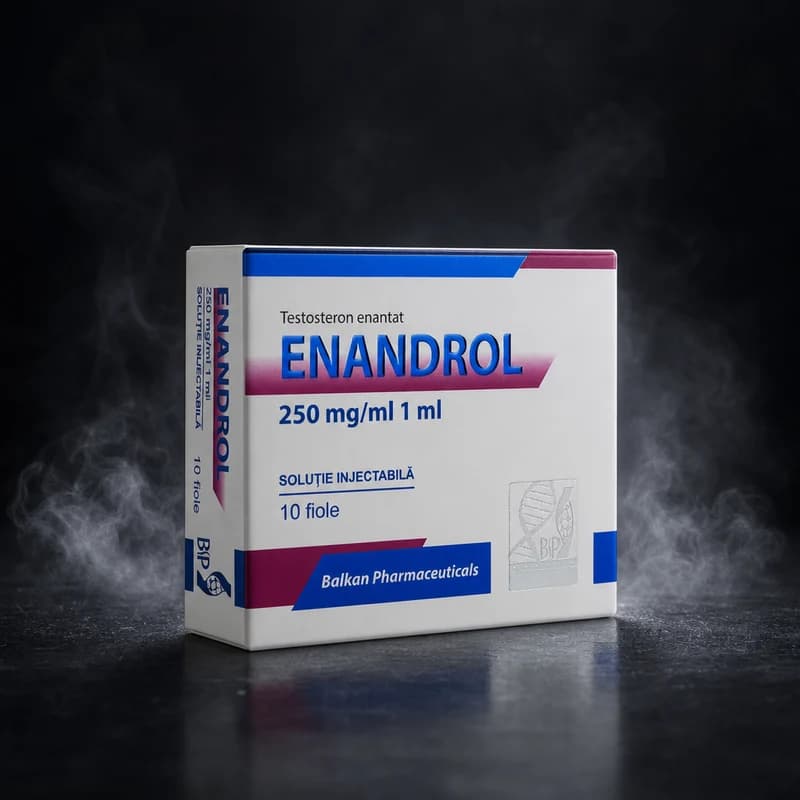
Enandrol 250mg/ml 10x1ml Ampoules by Balkan PharmaceuticalsGMP Standard

Enandrol 250mg/ml 10x1ml Ampullen by Balkan Pharmaceuticals

€38.00
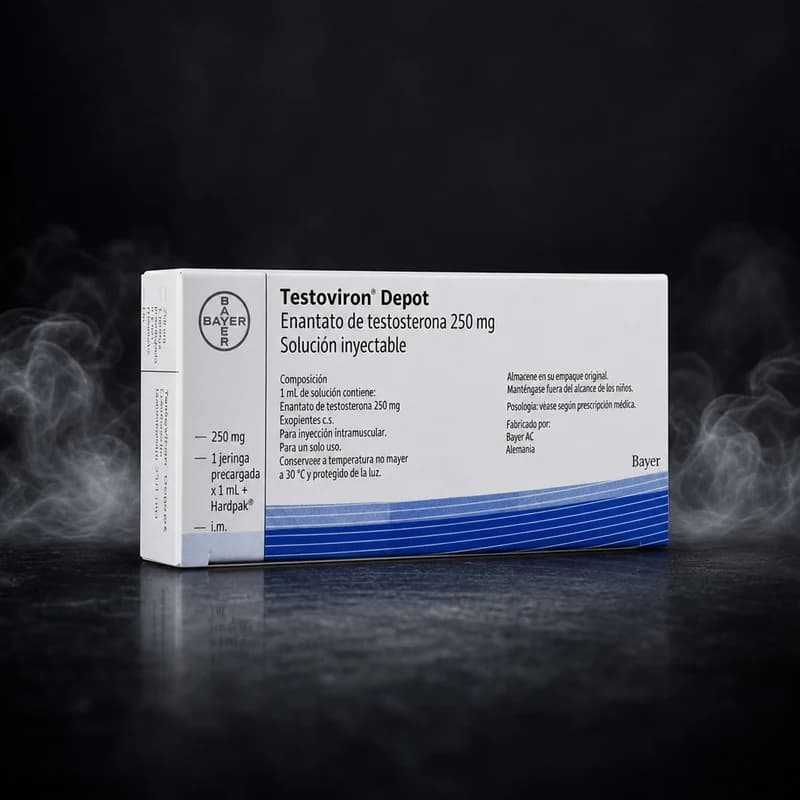
Testoviron Depot 250mg/ml 1x1ml Ampoules by ScheringHigh Concentration

Testoviron Depot 250mg/ml 1x1ml Ampullen by Schering

€4.00
Etho-Testosterone 300mg/ml 10ml Vial by Beligas PharmaceuticalsSeason Highlight

Etho-Testosterone 300mg/ml 10ml Vial by Beligas Pharmaceuticals

€38.00

Stack it with

Pairs well with these products.

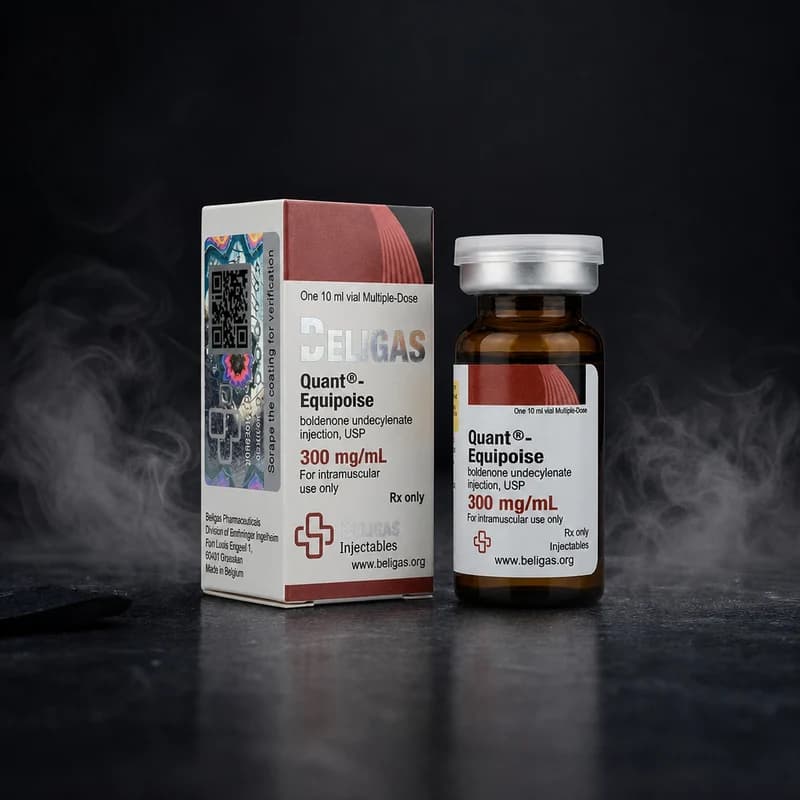
Quant-Equipoise 300mg/ml 10ml Vial by Beligas PharmaceuticalsHigh Concentration

Quant-Equipoise 300mg/ml 10ml Vial by Beligas Pharmaceuticals

€47.00
Bolden-250 250mg/ml 10x1ml Ampoules by BM PharmaceuticalsLong-Acting Formula

Bolden-250 250mg/ml 10x1ml Ampullen by BM Pharmaceuticals

€48.00
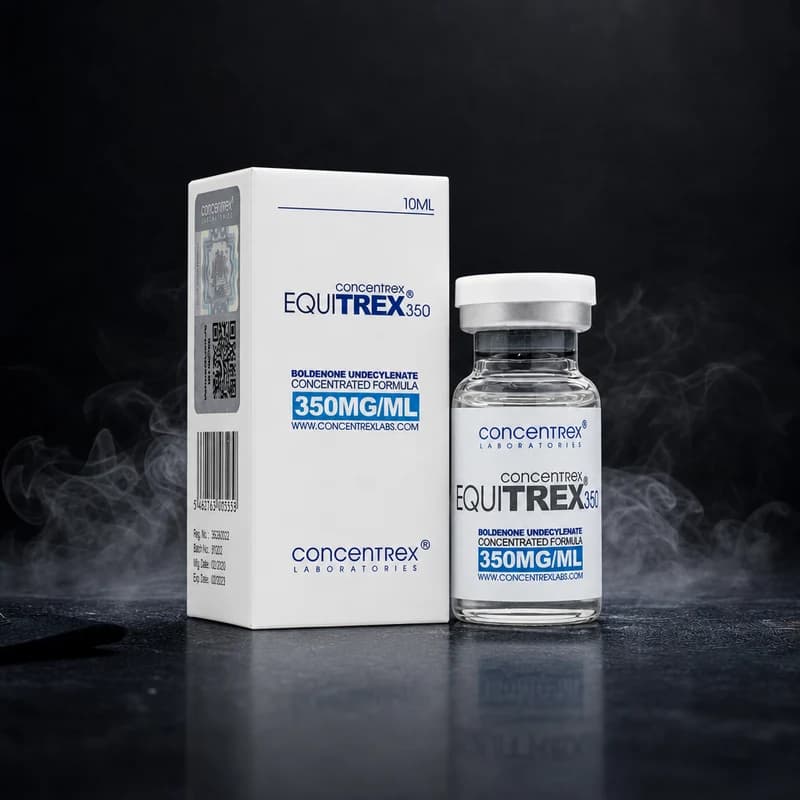
EquiTrex 350mg/ml 10ml Vial by Concentrex LabsBrand Quality

EquiTrex 350mg/ml 10ml Vial by Concentrex Labs

€52.00
EQ 300 300mg/ml 10ml Vial by Dragon-PharmaPro Choice

EQ 300 300mg/ml 10ml Vial by Dragon-Pharma

€44.00