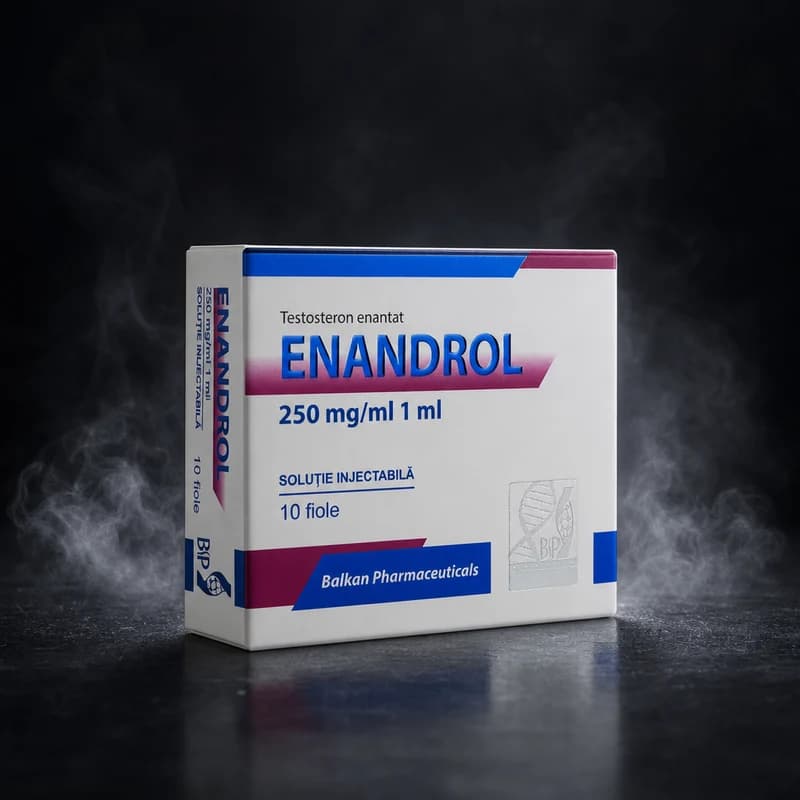
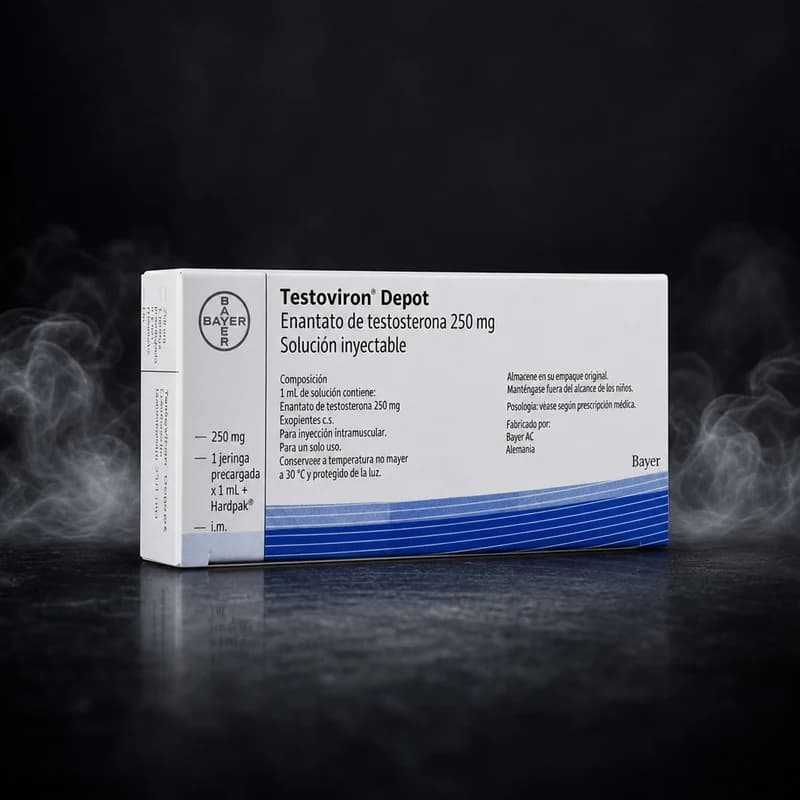
Contraindications: Testosterone Enanthate is contraindicated in individuals with androgen-sensitive carcinoma (prostate or breast), severe hepatic impairment confirmed by elevated bilirubin and transaminases, active polycythaemia vera, or untreated obstructive sleep apnoea. Pregnancy and breastfeeding are absolute contraindications. Pre-existing cardiovascular disease warrants specialist review before any supraphysiological androgen exposure.
Side Effects: Dose-dependent androgenic effects include acne, accelerated androgenic alopecia, and virilisation in women. Supraphysiological dosing suppresses endogenous LH and FSH secretion, reducing intratesticular testosterone and spermatogenesis. Elevated red blood cell mass increases whole-blood viscosity and cardiovascular risk. Oestradiol elevation from aromatisation can produce water retention and gynaecomastia.
Monitoring: Haematocrit should be measured by centrifugation assay at mid-cycle and post-cycle; values above 52% require dose reduction. Oestradiol should be quantified by LC-MS/MS rather than standard immunoassay for clinical accuracy. ALT and AST establish hepatic baseline; significant elevation above three times the upper reference limit warrants cycle interruption and physician consultation. Lipid panels should confirm HDL is not declining beyond 20% from baseline.
PCT: Exogenous testosterone suppresses the hypothalamic-pituitary-gonadal axis throughout the cycle. Post-cycle therapy with a SERM — tamoxifen or clomiphene — should be initiated only after serum testosterone has declined to sub-suppressive levels, confirmed by immunoassay, typically 14–18 days after the final injection of Testosterone Enanthate. A post-PCT LH/FSH draw confirms axis recovery.

 Established Brand